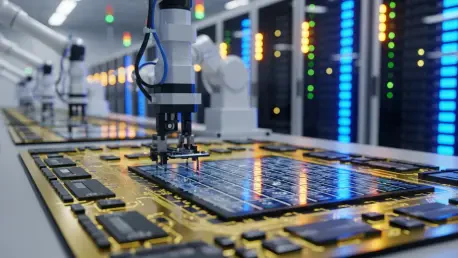
The proliferation of sophisticated supply chain attacks has fundamentally altered how semiconductor giants approach the foundational security protocols embedded within their proprietary silicon architectures today. As modern computing environments become increasingly decentralized, the reliance on

The sleek, high-definition displays that occupy central positions in modern living rooms have evolved from simple broadcast receivers into sophisticated computing hubs equipped with multi-core processors and constant high-speed internet connectivity. While these advancements facilitate seamless

The transition from traditional door locks and handwritten sign-in sheets toward a fully integrated digital ecosystem represents the single most significant advancement in corporate safety protocols seen in the last several decades. For a long time, the concept of a secure office was defined by the

The digital architecture of the modern residence has transformed into a sophisticated hub where every appliance, from the thermostat to the refrigerator, relies on a single wireless gateway to function. This interconnectivity creates a seamless living experience but also exposes a massive attack

The rapid expansion of the Internet of Things ecosystem has brought unprecedented convenience to consumers and industries alike, but it has also created a complex web of cybersecurity risks that demand robust regulatory oversight. To address these emerging challenges, a new voluntary labeling
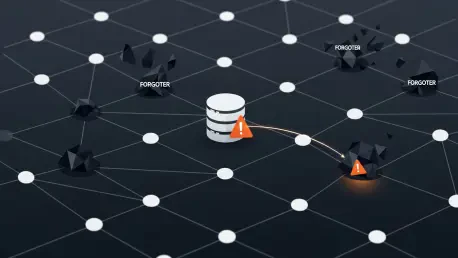
A legacy HVAC sensor from five years ago remains plugged into a server room wall, unnoticed by current IT staff yet still broadcasting on the corporate network. This device represents more than just a piece of outdated hardware; it is a permanent bridge over the perimeter defenses that companies