

The rapid expansion of the Internet of Things ecosystem has brought unprecedented convenience to consumers and industries alike, but it has also created a complex web of cybersecurity risks that demand robust regulatory oversight. To address these emerging challenges, a new voluntary labeling
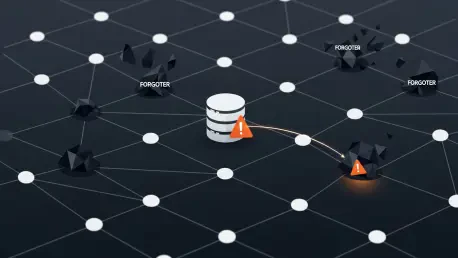
A legacy HVAC sensor from five years ago remains plugged into a server room wall, unnoticed by current IT staff yet still broadcasting on the corporate network. This device represents more than just a piece of outdated hardware; it is a permanent bridge over the perimeter defenses that companies

The seamless integration of interconnected sensors into the most critical facets of human infrastructure has created a technological landscape where digital vulnerabilities manifest as immediate physical dangers. While the rapid expansion of the Internet of Things has undeniably improved urban
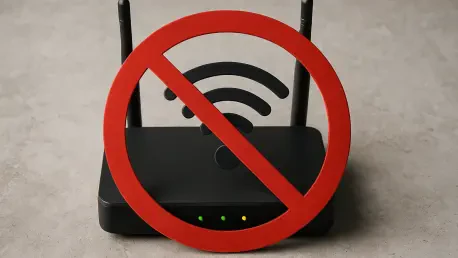
The landscape of American digital sovereignty shifted dramatically when the Federal Communications Commission issued a rare reprieve to a single major hardware provider amidst a nationwide crackdown on foreign technology. On April 15, 2026, Netgear emerged as the sole recipient of a regulatory

The long-standing illusion that a closed-source binary acts as an impenetrable digital vault is finally crumbling under the weight of a single, uncomfortable truth: obscurity is no longer a defense when an algorithm can read what humans cannot. For decades, proprietary vendors operated under the

Background and Context for Wireless Attack Surfaces in EV Micromobility How Bluetooth Pairing Works on Electric Motorcycles and Why It Matters Bluetooth on electric motorcycles links a rider’s phone or service tablet to the bike for diagnostics, configuration, and firmware updates. On affected Zero