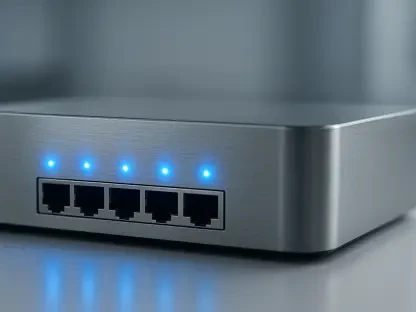

The global market for firewall and IPSec VPN technologies is projected to grow from $5.05 billion in 2025 to over $12.5 billion by the end of the decade. This trajectory reflects a period of intense digital transformation where organizations prioritize network integrity as a fundamental business

High egress fees and bandwidth constraints often transform a standard data restoration process into a secondary financial and operational crisis during a major system outage. The modern IT landscape has shifted decisively away from centralized on-premises data centers toward multifaceted hybrid

Modern organizations face significant risks as sensitive information becomes increasingly fragmented across SaaS applications, AI agents, and complex cloud architectures. The rapid adoption of hybrid work models has created a sprawling attack surface where traditional perimeter-based security
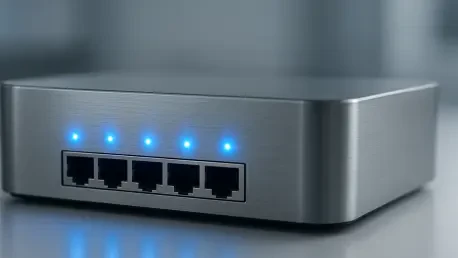
High-performing security solutions must now provide low-latency connectivity through a vast network of global points of presence to maintain productivity. As organizations move away from centralized data centers toward distributed, cloud-first environments, the Secure Access Service Edge (SASE)

Security engineers can significantly reduce their manual workload by implementing static analysis rules that automatically validate the majority of standard infrastructure changes. This shift is essential in environments where infrastructure is managed through code, as the volume of modifications
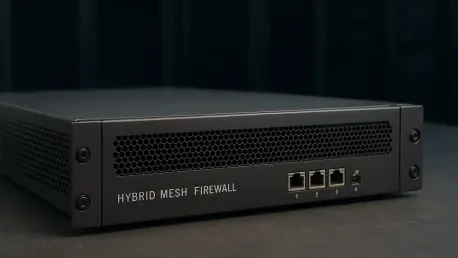
The modern firewall has evolved from a simple gatekeeper into a distributed policy enforcement solution that connects cloud security with operational technology. This fundamental shift is central to the latest analysis by Gartner, which recently placed Fortinet as a Leader in the 2026 Magic
1 2 3 4 5 6 7 8 9 10 11 12 13 14 15 16 17 18 19 20 21 22 23 24 25 26 27 28 29 30 31 32 33 34 35 36 37 38 39 40 41 42 43 44 45 46 47 48 49 50 51 52 53