
Regulated industries face the constant challenge of locating and classifying sensitive data across massive unstructured storage environments for compliance purposes. As the volume of file and object data explodes within the enterprise, traditional methods of management often fail to keep pace with the sheer velocity of modern digital growth. Many organizations currently struggle with fragmented storage silos that complicate visibility and increase the risk of regulatory non-compliance or data exposure during security incidents. To address these systemic issues, a sophisticated Backup-as-a-Service solution has been introduced to modernize how Network Attached Storage is protected. This shift focuses on moving away from managing physical infrastructure toward a centralized, cloud-hosted model. By integrating management, capacity planning, and system updates into a single service, it allows IT teams to pivot away from the mundane tasks of hardware upkeep and toward more strategic initiatives that drive business value across the entire enterprise.
Evolution of Infrastructure-Free Resilience
Navigating Supply Chain Volatility: The Shift to Cloud
The current landscape of 2026 reveals a significant shift in how enterprises approach the deployment of backup solutions, driven largely by the persistent supply chain volatility affecting AI-driven servers and specialized hardware. Sourcing physical backup appliances has become an increasingly complex logistical hurdle, often resulting in months of delay and unpredictable costs that stifle corporate agility. This bottleneck is addressed by utilizing lightweight data movers rather than traditional, bulky on-premise appliances. This architectural choice enables organizations to bypass the standard requirements of sourcing, shipping, and racking physical servers within a data center. By moving the heavy lifting to the NAS Cloud Direct service, enterprises can initiate data protection workflows almost instantly. This transition reflects a broader industry trend where the focus moves from the ownership of physical assets to the consumption of highly efficient, scalable cloud services that provide better resource utilization.
Streamlining Operations through Managed Service Models
Beyond the logistical benefits of avoiding physical hardware, the infrastructure-free approach significantly reduces the long-term operational burden on technical staff. Traditional Network Attached Storage protection often required constant manual intervention for patching, firmware updates, and capacity forecasting, all of which consumed valuable hours from security and IT departments. With the launch of this cloud-hosted protection, the responsibility for maintaining the underlying storage and system health transfers to the provider. This ensures that the environment is always running the latest security protocols without the need for scheduled downtime or manual oversight. As companies look toward 2028, the ability to scale storage capacity on demand becomes a critical competitive advantage. By consolidating these functions into a managed service, organizations can maintain a lean operational profile while ensuring that their growing mountains of unstructured data remain accessible and fully protected.
Advancing Security and Compliance in the Cyber Era
Proactive Threat Detection and Ransomware Resilience
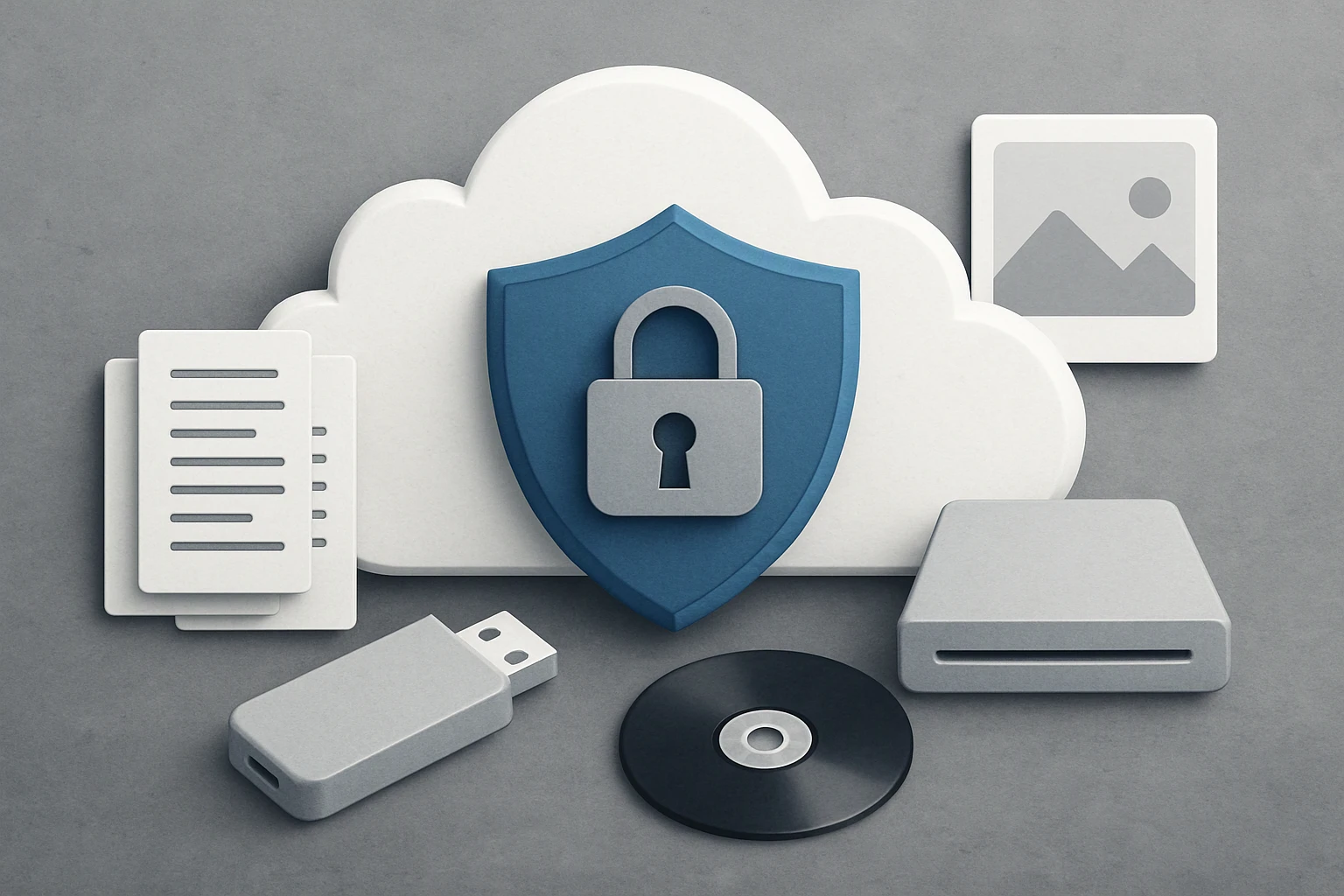
Security remains at the forefront of the new offering, with a design philosophy centered on the principles of immutability and isolation. Data is transmitted directly to isolated vaults that exist within a separate identity domain, ensuring that even if a production environment’s primary credentials are compromised, the backup copies remain untouched. This isolation is further strengthened by robust retention locks that prevent the accidental or malicious deletion of critical business files. Such measures are essential in an era where cyber threats have become more sophisticated, often targeting the very backup systems meant to facilitate recovery. By utilizing a heterogeneous support model, the platform ensures that policies are applied uniformly across different storage vendors and arrays. This flexibility allows for seamless data movement between various environments, including cloud tiers and isolated recovery environments, providing a versatile safety net that accommodates diverse IT architectures.
Future Strategies for Data Sovereignty and Recovery
To fully capitalize on these advancements, decision-makers evaluated their storage footprint to identify areas where infrastructure-free models provided the greatest benefit. Transitioning legacy unstructured data to a managed service required a careful assessment of network bandwidth and data residency needs, yet the long-term gains in operational efficiency often outweighed the initial migration efforts. IT leaders took proactive steps to integrate these cloud-hosted solutions with existing security operations centers, creating a unified front against evolving threats. By prioritizing the consolidation of backup and security functions, enterprises established a more resilient foundation that supported sustainable growth without being tethered to physical hardware constraints. These strategic investments in cloud-based protection served as a catalyst for broader digital transformation, ensuring that critical data remained both secure and accessible in an increasingly unpredictable technological climate. The focus shifted permanently toward intelligent management.