














The rapid integration of autonomous AI coding agents into professional software development

The absolute silence of a digital infiltration often masks the catastrophic scale of the damage

By inspecting the response side of an HTTP transaction, the managed response firewall can detect and intercept anomalous data leaks before they reach a potential attacker's browser. This specific capability marks a significant shift in how edge security providers address deep-seated flaws within

Once an attacker gains control over a single employee's identity through social engineering, they can often move laterally across the entire enterprise network. This reality is at the heart of recent operations by the threat group known as Scattered Spider, whose sophisticated manipulation of

Hackers are increasingly exploiting the trust between developers and their AI coding assistants to

The transition to advertising-based delivery removes the human element of defense, as victims

For essential entities governed by NIS2, failure to implement risk management measures can result in administrative fines of up to ten million euros or 2% of global turnover. It's a regulatory…

An identity-aware secure access client can simplify the bring-your-own-device model by
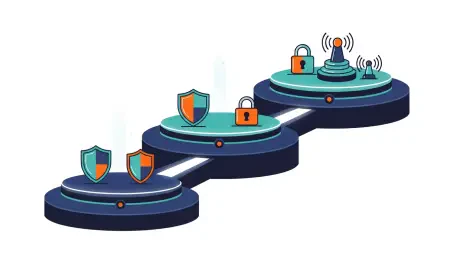
Ransomware and supply chain attacks have compressed the timeline defenders work against. ReliaQuest

The security model most enterprises grew up with assumed a clear inside and outside. Employees

Remote-heavy organizations rely on Bring Your Own Device (BYOD) every day. Personal laptops and
Both the Prince Edward Island government and the University of Prince Edward Island took the drastic step of taking their web services offline to address a critical security advisory issued by the PHP Group. This decision, while causing immediate disruption to thousands of users, was prompted by a

With the introduction of Snaffler-ng, auditors can more effectively search Windows SMB shares for

Standard content management system updates for platforms like WordPress and Drupal are insufficient