

The integration of frontier AI models for continuous autonomous penetration testing allows organizations to discover exploitable paths before human attackers can find them. This paradigm shift represents a fundamental evolution in how digital assets are secured in 2026, as the traditional reliance

CISA has officially confirmed that ransomware gangs are actively targeting a critical remote-code-execution vulnerability in JetBrains TeamCity servers to infiltrate software supply chains. This revelation has sent shockwaves through the DevOps community, as these servers function as the nerve

The transition to developer-led security has made ease of use and quality of support more critical than the total number of vulnerabilities a scanner can identify. In 2026, the cybersecurity market is no longer defined by which tool can generate the longest list of potential threats, but by which

Industry reports reveal that many organizations prioritize public-facing assets while treating internal development tools like background plumbing for patching purposes. This oversight has become particularly dangerous in 2026, as artifact repositories like JFrog Artifactory have transformed into
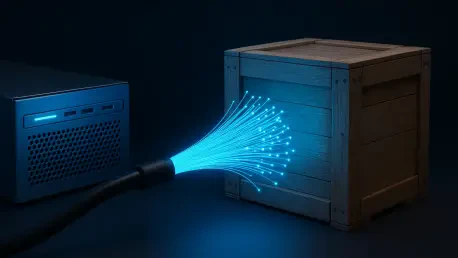
By wiring a Zero-Trust engine directly into the development lifecycle, Netskope provides a defensive shield for cloud workloads against compromised software packages. In an era where software supply chain attacks have become a primary vector for sophisticated breaches, this shift represents a
By 2026, the shift to serverless computing has fundamentally redefined the cybersecurity perimeter, making the old 'castle-and-moat' defense strategies ineffective for modern workloads. As organizations increasingly rely on AWS Lambda, Azure Functions, and Google Cloud Functions to drive their most