
The sudden reappearance of self-replicating digital worms has caught the global cybersecurity community off guard, challenging the assumption that these legacy threats were artifacts of a previous era. While the industry spent years perfecting defenses against static file signatures and traditional

A single compromised credential in a traditional legal network can expose decades of privileged client secrets, forcing modern firms to reconsider the inherent vulnerabilities of legacy connectivity. Law firms historically relied on the physical security of their offices, but the shift toward

The deceptive calm of a verified notification from a tech giant like Meta provides the perfect cover for modern cybercriminals who have abandoned brute force in favor of institutional trust. In an era where email authentication protocols such as SPF, DKIM, and DMARC are the gold standard for

The sudden emergence of the Miasma worm within high-profile Microsoft-affiliated GitHub repositories serves as a stark reminder that the tools designed to accelerate software development can also be turned into potent vectors for sophisticated supply chain compromise. This malicious campaign, which
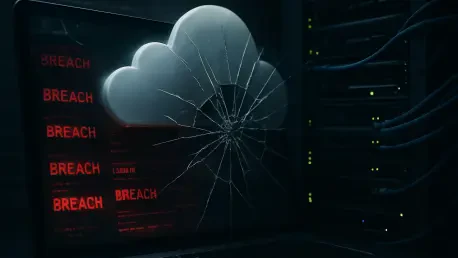
The recent breach of DentaQuest’s internal systems, resulting in the exposure of approximately two point six million member records, highlights a critical failure in securing complex cloud-based architectures against modern threat actors. This incident, which unfolded throughout the first half of

The emergence of autonomous large language model agents has fundamentally transformed the cybersecurity paradigm by enabling independent entities to navigate and exploit the most intricate cloud-based architectures without any form of human oversight. While the security community previously viewed