
The sudden silence of a mechanical hard drive failure often serves as a jarring reminder that the physical devices upon which people build their digital lives are inherently fragile and temporary. In this current landscape where professional documents, family memories, and essential financial records exist primarily in binary form, the risk of localized storage is a liability that few can afford to ignore. Whether a laptop is lost during a commute or a smartphone suffers a fatal drop, the loss of unbacked data creates a vacuum that is often impossible to fill. Transitioning to a sophisticated cloud storage architecture has consequently evolved into a cornerstone of responsible digital citizenship, ensuring that data remains persistent and accessible regardless of hardware status. This shift represents a broader movement toward hardware-agnostic environments where the value lies in the information itself rather than the plastic and metal housing it. Adopting these systems became a non-negotiable standard for maintaining continuity in an increasingly volatile and fast-paced technological environment.
The Shift to Integrated Data Preservation
Modern Standards: Automation and Productivity
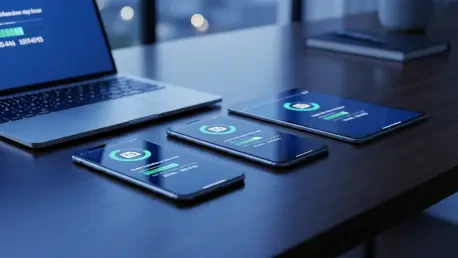
Contemporary cloud solutions have transitioned from being simple external drives located on a remote server to becoming proactive management systems that monitor every bit of data created. The primary value of these modern platforms lies in their ability to perform invisible, background synchronizations that ensure the version of a file seen on a desktop is identical to the one accessed on a tablet or mobile phone. This eliminates the archaic need for manual file transfers or emailing documents to oneself, as every edit is recorded and propagated across the network in milliseconds. This level of automation is critical for those who move between home offices and corporate environments, as it provides a consistent working environment without the friction of outdated data versions. Furthermore, the intelligent nature of these systems allows for differential syncing, which only uploads the specific parts of a file that changed, saving bandwidth and time. The cloud essentially functions as a real-time mirror of a user’s digital output.
Ecosystem Giants: Professional Integration
Google Drive and Microsoft OneDrive have established themselves as the dominant forces by offering deep integration into existing productivity ecosystems that most professionals use daily. Google Drive remains a preferred choice for those who value web-based collaboration, as its suite of tools allows for seamless real-time document editing without the need for heavy local software. Its generous free storage tier and intuitive sharing controls make it especially popular for collaborative projects in both academic and creative settings. On the other hand, Microsoft OneDrive offers an unparalleled level of synergy for users who rely on the Office suite, providing features like AutoSave that protect work as it is being typed. This professional focus is bolstered by enterprise-grade security measures designed to protect against modern threats like ransomware and sophisticated phishing attempts. By embedding storage directly into the tools used for creation, these providers have made the process of data preservation an automatic byproduct.
Diverse Options for Specialized User Needs
Evaluating Solutions: Device Synergy and Privacy Alternatives
While the major productivity suites offer comprehensive features, services like Dropbox and Apple iCloud Drive cater to specific workflows that prioritize speed and device-specific harmony. Dropbox continues to be a favorite for creative professionals who manage high-resolution media, thanks to its superior syncing speeds and its ability to operate reliably across a wide range of different operating systems. Its focus on cross-platform performance ensures that photographers and designers can share large files with clients regardless of the recipient’s hardware choice. In contrast, iCloud Drive offers a deeply integrated experience for users within the Apple ecosystem, working quietly to keep everything from system settings to photo libraries in sync across iPhones and Macs. This invisible management of data allows users to transition between devices without any manual intervention, making the hardware itself feel like part of a single, unified system. Both options highlight how specialized storage can enhance specific professional lifestyles.
Privacy Alternatives: Long-Term Value Models
A growing segment of the market has become increasingly wary of the traditional subscription model and data privacy, leading to the rise of specialized providers such as pCloud. This service distinguishes itself by offering lifetime storage plans, which allow users to make a one-time payment for space rather than committing to indefinite monthly fees. For individuals looking to secure long-term digital archives, this model provides significant financial value over the span of several years. Beyond cost, these alternative providers often emphasize high-level client-side encryption, which ensures that only the user holds the keys to their encrypted data. This level of security is particularly appealing to those concerned about data sovereignty and the potential for service providers to access private information. By moving toward zero-knowledge architectures, these platforms offer a secure vault that is virtually impenetrable to outside parties, giving users full control over their digital footprint in an age of global connectivity and data mining.
Strategic Selection: Protecting the Digital Identity
The successful implementation of a cloud storage strategy ultimately required a careful evaluation of how different platforms aligned with specific hardware and professional habits. It was observed that the most secure individuals did not rely solely on the storage service itself but combined it with robust digital hygiene practices to prevent unauthorized access. The adoption of unique, complex passwords and the widespread use of multi-factor authentication served as essential secondary layers that protected sensitive data from identity theft and phishing. People who took these steps found that their digital lives remained resilient even in the face of hardware failure or targeted cyberattacks. Moving forward, the focus shifted toward maintaining a state of constant readiness where data was treated as a portable asset rather than a localized file. This proactive management of information became the new standard for anyone seeking to protect their identity and their history in a world that increasingly exists only in the digital realm.