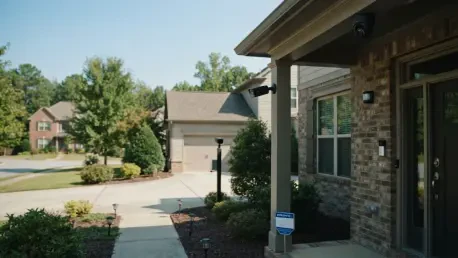

The move toward subscription-free security models reflects a brand-wide philosophy that high-end protection should not be locked behind recurring paywalls. This paradigm shift is particularly evident as homeowners across Canada seek more robust and autonomous ways to safeguard their properties against the unique challenges of the northern climate. In an era where long winter nights and heavy snowfall can obscure traditional camera lenses, the integration of ultra-bright floodlights has become a mandatory standard for effective perimeter defense. These devices do more than just record footage; they act as an active deterrent, flooding a property with thousands of lumens of light the moment an unauthorized presence is detected. The 2026 security landscape is characterized by a transition from passive observation to proactive intervention, ensuring that potential threats are discouraged before they ever reach an entry point. By combining high-definition videography with intelligent illumination, modern systems provide a comprehensive shield that remains effective even in the most isolated suburban or rural settings.
Climate Resilience: Engineering for the Canadian North
The physical demands of the Canadian environment necessitate hardware that can withstand extreme temperature fluctuations and significant moisture accumulation. Security devices in 2026 are built with high ingress protection ratings, such as IP65 or IP67, which ensure that the internal electronics remain sealed against blowing snow, freezing rain, and the rapid freeze-thaw cycles typical of the region. Without this level of industrial-grade weatherproofing, standard consumer electronics often suffer from internal condensation or mechanical failure during the peak of winter. Furthermore, the inclusion of internal heating elements and specialized battery chemistry allows these units to remain operational even when temperatures drop well below the freezing mark. This level of physical durability is no longer considered a premium feature but a fundamental requirement for any perimeter system intended to provide year-round peace of mind for residents in provinces from British Columbia to Newfoundland.
Beyond mere durability, the effectiveness of a floodlight camera is measured by its ability to eliminate the “cloak of darkness” that intruders rely upon. A standard-setting device now provides approximately 2,000 lumens of light, which is sufficient to transform a large backyard or long driveway into a daylight-bright environment instantaneously. This intensity of illumination serves a dual purpose: it provides the camera sensor with enough light to capture full-color evidence at night and acts as a psychological barrier for trespassers. When a dark alleyway is suddenly bathed in bright light, the immediate loss of anonymity often prompts an intruder to retreat. This visual warning is a critical component of a proactive defense strategy, reducing the likelihood of physical property damage or forced entry by addressing the threat at the very edge of the property line.
Intelligent Surveillance: The Evolution of AI and Dual Lenses
The technological landscape of 2026 has seen a move away from rudimentary motion sensors toward sophisticated on-device artificial intelligence. Modern security cameras are now capable of distinguishing between a human intruder, a neighborhood pet, and swaying tree branches in real-time. This level of discernment is vital for reducing notification fatigue, ensuring that homeowners only receive alerts when a genuine security event occurs. By processing this data locally on the device rather than in the cloud, these systems offer near-instantaneous response times, triggering floodlights and sirens within milliseconds of detection. This shift toward edge computing not only enhances the speed of the system but also provides a layer of reliability that is independent of internet bandwidth fluctuations, which can be a common issue in some Canadian residential areas.
The advancement of optical hardware has also reached a new milestone with the widespread adoption of dual-lens configurations. Flagship models, such as those in the eufy E340 series, utilize a combination of a wide-angle 3K lens and a 2K telephoto lens to provide a comprehensive view of the property without sacrificing detail. This setup allows for a hybrid zoom that can capture a license plate or facial features from a significant distance while still maintaining a broad overview of the surrounding area. When paired with 360-degree motorized pan-and-tilt functionality, the camera can actively track a subject as they move across the yard, ensuring they remain the central focus of the recording. This eliminates the traditional problem of “blind spots” and provides a level of forensic evidence that was previously only available in expensive commercial-grade surveillance installations.
Data Sovereignty: The Shift to Local Storage Models
As digital privacy becomes a primary concern for Canadian citizens, the move toward local storage sovereignty has gained significant momentum. Homeowners are increasingly skeptical of sending sensitive video feeds to centralized cloud servers, opting instead for encrypted local storage solutions like the HomeBase 3 or high-capacity microSD cards. This approach ensures that the homeowner retains total control over their data, with no risk of a third-party breach or unauthorized access to their personal life. Additionally, the elimination of monthly cloud storage fees provides a clear financial benefit, allowing the initial investment in high-quality hardware to pay for itself within a few years. In 2026, the standard for a secure home is one where the data never leaves the local network, providing a fortress for both physical and digital assets.
This trend toward data independence also supports more advanced features like local facial recognition and historical pattern analysis. Because the hardware has direct, high-speed access to the stored footage, it can learn the routines of household members and regular visitors, further refining the accuracy of its alert system. For instance, a system can be configured to ignore the arrival of a recognized family vehicle while remaining hyper-vigilant for unknown subjects during late-night hours. This customized approach to security allows for a more seamless integration into daily life, where the technology works silently in the background until it is truly needed. By prioritizing local processing and storage, these systems offer a level of privacy and customization that subscription-based cloud services simply cannot match, marking a significant win for consumer autonomy.
Strategic Placement: Maximizing Effectiveness and Privacy
The successful implementation of a perimeter security system depends heavily on tactical mounting and configuration. Experts and professional installers have established an optimal height of 8 to 10 feet for floodlight cameras, a position that balances clear facial identification with protection against physical tampering. At this height, the camera maintains a downward angle that captures the features of anyone approaching the property, rather than just the top of their head or a hooded sweatshirt. Proper placement also involves careful consideration of the property’s unique geometry, ensuring that the lights are directed toward high-traffic entry points like side gates, garage doors, and basement windows. This strategic layering of light and optics creates a formidable barrier that is difficult for a trespasser to circumvent without being clearly recorded and illuminated.
While maximizing security is the primary goal, responsible homeowners in 2026 also prioritize community harmony by managing light spillover and privacy zones. Modern software allows users to define specific “activity zones,” digitally masking out public sidewalks or a neighbor’s windows so that the camera does not record or trigger lights for activity outside the owner’s property. This precision helps prevent neighborhood disputes and reduces light pollution, ensuring that the security system remains a neighborly addition rather than a nuisance. Adjustable light panels on the hardware itself allow the beam to be focused precisely where it is needed, such as along a narrow walkway or a specific porch area. This careful calibration ensures that the security benefits are localized to the intended property, maintaining a balance between personal safety and the privacy expectations of the broader community.
Ethical Deterrence: The Path Forward for Home Security
The transition toward these advanced residential security systems reflected a broader consumer demand for autonomy, precision, and physical resilience. Homeowners who prioritized local storage effectively bypassed the vulnerabilities and costs associated with centralized cloud platforms, establishing a new standard for data privacy. It became evident that the success of these perimeter defenses relied not just on the raw power of the hardware, but on the strategic configuration of AI-driven detection and adjustable illumination. The integration of 360-degree tracking and high-lumen floodlights ensured that properties remained protected throughout the harshest Canadian seasons, proving that specialized engineering was the key to reliable performance in the North. By focusing on proactive deterrence, residents successfully shifted the security narrative from reacting to crimes to preventing them entirely.
The most effective strategies for maintaining a secure residence involved regular audits of the device’s field of view and the periodic updating of on-device AI models to improve detection accuracy. Moving forward, the best course of action for property owners was to ensure that their perimeter hardware served as the primary trigger for a larger, integrated smart home ecosystem. This allowed for the seamless coordination of outdoor lighting, internal alarms, and emergency notifications, creating a unified front against potential threats. The lessons learned during this period of technological advancement highlighted the importance of choosing hardware that offers both physical durability and ethical data management. By maintaining a focus on these core principles, Canadians secured their homes against both physical intrusions and the digital risks of an increasingly connected world.