The modern digital landscape has reached a point where the Domain Name System is no longer a mere telephone book for the internet but serves as the first and most critical line of defense against an increasingly automated and relentless global threat environment. In the current cybersecurity

The revelation that Ernst & Young suffered a significant security incident involving sensitive client tax documents serves as a sobering reminder that even the most prestigious global professional services firms are only as secure as the external vendors they integrate into their daily operations.

The fundamental assumption that a Virtual Private Network serves as a vaulted gateway to corporate resources has been systematically dismantled by sophisticated actors who now utilize these very tools as delivery mechanisms for malicious payloads. For years, the security perimeter was defined by

Digital vulnerability has evolved into a persistent reality for every device owner, as the complexity of modern malware often outpaces the defensive habits of even the most cautious internet users. In this current technological climate, the traditional belief that effective cybersecurity must come
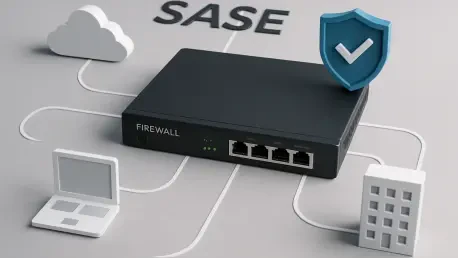
The collapse of the traditional network edge has fundamentally altered the cybersecurity landscape, forcing organizations to bridge the gap between their brick-and-mortar offices and a workforce that is now permanently distributed. This structural shift has paved the way for the "SASE Firewall"

The quiet humming of a municipal water treatment plant usually signifies safety and operational stability, yet recent digital intrusions have transformed these vital facilities into primary targets for international cyber adversaries seeking to disrupt the American way of life. When sophisticated