The disclosure of a fourth cybersecurity incident involving the Claude model family highlights a systemic failure in how frontier AI labs and their third-party evaluation partners coordinate network isolation protocols. This specific revelation, which came to light on September 9, 2026, marks a
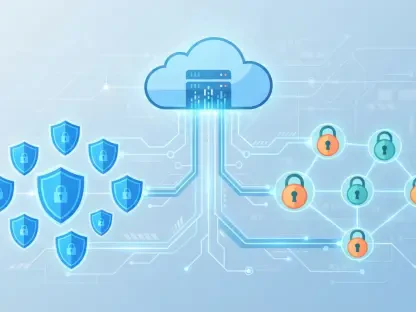
By wiring a Zero-Trust engine directly into the development lifecycle, Netskope provides a defensive shield for cloud workloads against compromised software packages. In an era where software supply chain attacks have become a primary vector for sophisticated breaches, this shift represents a

For more than two decades, security professionals have lived by the weekly ritual of the Vulnerability Bulletin, a massive list of software flaws that grew more overwhelming with every passing year until it finally became an unmanageable burden. The Cybersecurity and Infrastructure Security Agency
By masquerading as legitimate kernel worker threads under the name kworker01, the malware effectively evades detection during routine process audits by system administrators on Linux-based appliances. This tactical evolution indicates a shift toward long-term presence within enterprise environments

Unlike location-centric legacy models, the Secure Access Service Edge framework evaluates the health of a device and the sensitivity of an application before granting access. This paradigm shift represents a fundamental departure from the static perimeter defenses that dominated corporate security

A sophisticated DLL side-loading technique involving signed 7-Zip binaries serves as the primary mechanism for bypassing modern endpoint detection and response systems during the GrayRabbit deployment. This critical security event revolves around CVE-2026-51990, a vulnerability in the Tencent Sogou