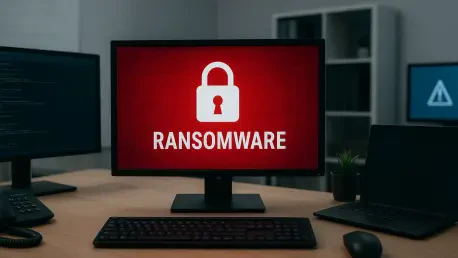

A significant number of organizations foster a false sense of security because they have failed to test their existing cyber incident response plans under pressure. This complacency often stems from a reliance on legacy security protocols that have not kept pace with the sophisticated ‘crime as a service’ models currently dominating the landscape. In 2026, ransomware is no longer just a technical glitch but a comprehensive business crisis that can halt operations within minutes. The rapid evolution of AI-driven infiltration techniques has made traditional firewalls less effective, requiring a shift toward active resilience. Many firms believe that having a digital backup is sufficient, yet they overlook the intricacies of data exfiltration and the subsequent extortion tactics that follow. When an attack occurs, the psychological pressure on leadership can lead to hasty, poorly informed decisions that exacerbate the damage. Understanding technical nuances and legal ramifications is essential for any modern enterprise aiming to survive a breach.
1. Initial Response Protocols: Leadership and Insurance
The moment a ransomware infection is detected, the immediate priority is to alert senior leadership and key stakeholders across the entire organizational structure. It is a common mistake to limit initial notifications to the IT department, as a breach of this magnitude carries implications that extend far beyond technical infrastructure. Executives in legal, human resources, and operations must be brought into the loop within the first hour to ensure a unified response. Waiting for a full diagnostic report before informing the board can waste precious time that is needed for crisis communication and resource allocation. Even if a particular department seems unaffected, the interconnected nature of modern cloud environments means that a localized infection can quickly migrate across the network. By involving the highest levels of management early, a company ensures that the response is treated with the necessary urgency and that the required financial and human resources are immediately available.
Contacting the cyber insurance provider is a non-negotiable step that should occur almost simultaneously with internal notifications. Modern insurance policies often include specific requirements regarding how and when an incident is reported, and failing to adhere to these terms can result in a denial of coverage. These providers do not just offer financial reimbursement; they frequently provide access to a network of vetted forensic experts, legal counsel, and crisis negotiators who specialize in ransomware. Engaging with the insurer early allows the business to tap into these professional resources, which are often more experienced in handling high-stakes digital extortion than an in-house team might be. Furthermore, the insurance company can provide a clear framework for what costs are covered, such as forensic investigations, data restoration, and even potential ransom payments. This financial clarity is vital for the board as they navigate the immediate economic impact of the disruption.
2. Technical Containment: System Isolation and Expert Advice
Once the alarm has been raised, the technical focus must immediately shift to containing the infection to prevent it from spreading further through the corporate network. This typically involves the physical or logical disconnection of infected systems, servers, and workstations from the primary environment. IT staff and managed service providers must act with surgical precision to isolate compromised segments while attempting to keep essential business functions online. The goal is to create a digital firebreak that stops the ransomware from reaching high-value assets like customer databases. In many cases, this might require shutting down internet connectivity or disabling remote access protocols that the attackers use to maintain a foothold. This phase is critical because any delay allows the malicious software to continue encrypting files and exfiltrating sensitive data, which increases the total cost of recovery. Establishing alternative communication routes for employees is also a priority.
Ransomware attacks are multifaceted crises that involve complex legal, regulatory, and compliance issues that most internal IT teams are not equipped to handle alone. Bringing in outside consultants, such as specialized cyber law firms and digital forensic investigators, provides an objective perspective that is crucial for navigating the post-breach environment. These experts bring a wealth of experience from handling hundreds of similar incidents, allowing them to anticipate the moves of threat actors and the reactions of regulatory bodies. They play a pivotal role in determining whether a data breach has occurred under relevant laws, which trigger strict notification timelines. Furthermore, external consultants can help manage the technical ramifications of the attack, such as verifying the integrity of backups, without the internal bias that can sometimes cloud judgment. This specialized support is often the difference between a successful recovery and a prolonged period of operational paralysis.
3. Strategic Recovery: Documentation and Stakeholder Management
Maintaining a meticulous and chronological record of every action taken during the response and recovery process is a vital component of incident management. This documentation must include the time a threat was first detected, the specific systems affected, and the rationale behind every major decision made, serving as a source of truth for subsequent forensic investigations. Simultaneously, to avoid the chaos and confusion that often characterizes the first few hours of a breach, businesses must designate a single individual to lead the entire response effort. This coordinator establishes the facts and makes deliberate choices so that different teams aren’t working against each other or duplicating efforts. By centralizing authority in one person, the organization ensures a unified command structure where resources are prioritized efficiently. This combination of rigorous logging and decisive leadership creates a transparent audit trail while maintaining operational control.
Managing communication with stakeholders required a delicate balance of transparency and caution to maintain institutional trust. It was crucial to provide clear and timely updates that stuck strictly to the facts confirmed by forensic teams, avoiding any speculation about data loss that could lead to damaging misinformation. The most successful businesses provided transparent updates to interested parties, focusing on what they were doing to resolve the situation and how they planned to protect affected individuals in the future. These organizations recognized that a ransomware attack was a catalyst for systemic improvement rather than just a technical failure. They prioritized the development of a resilient workforce and implemented comprehensive reforms, such as zero-trust architectures and more frequent crisis simulations. By viewing the breach as an opportunity to harden their defenses, they strengthened their market position and demonstrated a commitment to data stewardship.