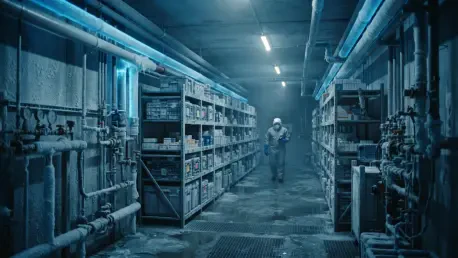

Aggressive retrofitting of security protocols for smart infrastructure is essential to bridge the gap between the rapid adoption of connected devices and the implementation of safety measures. While global defense strategies have historically prioritized the protection of classified data and financial networks, the shift toward targeting physical assets represents a dangerous evolution in operational disruption. The “cold chain”—a sophisticated network of climate-controlled storage and transport—has emerged as a surprisingly vulnerable target for those seeking to compromise food supplies and medical stability. These cooling systems, once isolated mechanical units, are now part of a vast, interconnected ecosystem that relies on remote digital management. This connectivity, while improving efficiency and energy conservation, has simultaneously opened a back door for malicious actors to strike at the foundational pillars of public safety and national health. The potential for large-scale interference in these systems poses a direct threat that extends far beyond simple economic loss.
The Global Impact of Cold Chain Vulnerabilities
Lessons from Europe: Cascading Physical Failures
The recent wave of coordinated cyberattacks across Europe provided a stark demonstration of how digital interference translates into physical catastrophe within the retail sector. In mid-October, hundreds of supermarket chains in France, Germany, and Finland experienced simultaneous failures in their primary refrigeration and freezer units. These incidents were not caused by mechanical breakdowns or power surges; instead, they were the result of unauthorized intrusions into the electronic controllers that manage temperature thresholds. The resulting damage was immense, as retailers were forced to discard tons of perishable goods that had been exposed to ambient temperatures for hours. This disruption did more than just hurt corporate bottom lines; it created immediate localized food shortages and shook consumer confidence in the reliability of the urban supply chain. The scale of these failures indicated a high level of planning and an intimate understanding of the software that governs these essential industrial cooling processes.
Building on the supermarket disruptions, the threat escalated significantly when the French Health Ministry confirmed that several regional blood banks had been targeted by similar digital intrusions. In these critical medical facilities, the monitoring systems for cold rooms were deliberately disabled, threatening the integrity of life-saving blood supplies and temperature-sensitive pharmaceuticals. Medical staff were forced to undergo emergency relocation protocols, manually moving supplies to alternative storage sites before the internal temperatures reached unsafe levels. This specific incident underscored a frightening reality: the same vulnerabilities that can spoil a gallon of milk can also jeopardize the availability of critical healthcare resources. The attackers demonstrated that by manipulating mundane infrastructure, they could create a public health emergency without ever stepping foot inside a hospital. These events served as a global wake-up call, proving that the digital-to-physical bridge is now a primary front in modern infrastructure security.
Technical Realities: The Operational Technology Gap
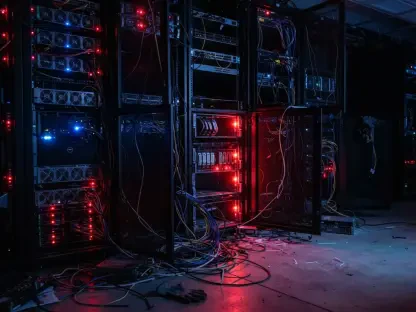
The underlying reason for these successful exploitations lies in the fundamental architecture of Operational Technology (OT), which prioritizes physical process control over digital encryption. Unlike standard Information Technology (IT) environments that undergo frequent security patches, OT systems are often composed of legacy hardware designed decades ago with a focus on durability and mechanical precision. Many of these refrigeration controllers operate on outdated firmware that lacks even basic authentication protocols, such as multi-factor verification or encrypted communication channels. Consequently, these devices are often referred to as “low-hanging fruit” by cybersecurity analysts because they are easily discoverable through public internet search engines. When a device designed for a thirty-year lifespan is suddenly connected to a 21st-century network, it lacks the defensive layers necessary to repel modern automated intrusion tools. This gap between mechanical longevity and digital agility remains a primary concern for those tasked with securing national infrastructure.
Furthermore, the risk is amplified by the widespread industry practice of outsourcing maintenance to third-party contractors who utilize remote access tools. An attacker does not necessarily need to breach the network of a specific hospital or warehouse to cause damage; they only need to compromise the service provider responsible for managing those systems. A single set of stolen credentials from a technician can grant an intruder access to the cooling controls of hundreds of separate facilities across an entire region. This “one-to-many” attack vector allows for a rapid and widespread deployment of disruptive commands, such as changing temperature setpoints or disabling safety alarms. Once inside the system, a malicious actor can operate undetected for days, slowly altering environment variables to ensure maximum spoilage before the deviation is noticed. The convergence of weak authentication and concentrated remote access has created a systemic vulnerability that requires a fundamental rethink of how industrial hardware is managed and secured on a global scale.
Regional Risks and Strategic Mitigation Efforts
Tropical Vulnerabilities: Environmental and Logistical Stakes
In island nations like Singapore, the implications of these cyber threats are magnified by geographical constraints and a severe reliance on imported resources. With over 90 percent of the food supply arriving through international ports, the integrity of the cold storage infrastructure is a matter of survival rather than just convenience. A coordinated attack on the refrigeration units at a major shipping terminal or a central distribution warehouse could effectively paralyze the national food supply in a matter of hours. The logistical chain is already under constant pressure to maintain a precise flow of goods, and any digital disruption to the cooling systems would create a bottleneck that is difficult to clear manually. Because the nation acts as a global hub, a local breach could also have a ripple effect across international trade routes, impacting the quality of transshipped medical and food supplies. This high level of dependency makes the cold chain a high-leverage target for state and non-state actors alike.
The tropical environment further compounds these risks by significantly reducing the window of time available for corrective action during a system failure. In cooler climates, a refrigeration malfunction might allow for a grace period of several hours before goods begin to spoil; however, in the 32-degree Celsius heat of a tropical region, “thermal urgency” becomes a dominant factor. Food safety standards are compromised almost immediately when active cooling is lost, transforming a digital intrusion into an immediate public health hazard. This environmental pressure makes it impossible to rely solely on manual relocation of supplies in the event of a wide-scale digital blackout. The speed at which temperatures rise in these regions ensures that any delay in detecting or responding to a cyberattack results in total inventory loss. This reality has forced national security agencies to view refrigeration controllers not just as building utilities, but as critical nodes in the defense of national stability and urban habitability in a volatile digital landscape.
Defensive Resilience: Protocols for the Modern Era
Addressing these vulnerabilities required a shift toward “defensive hygiene,” a proactive strategy aimed at identifying and shielding all internet-facing hardware. The Cyber Security Agency of Singapore (CSA) issued directives emphasizing that organizations must perform exhaustive audits of their operational technology to map every connected controller. By implementing network segmentation, critical cooling systems were effectively air-gapped from the public internet, ensuring that remote access was only possible through encrypted virtual private networks protected by multi-factor authentication. This approach moved the industry away from a “set it and forget it” mentality, forcing facility managers to treat industrial hardware with the same level of security scrutiny as financial servers. Furthermore, lifecycle management became a priority; hardware that was too old to support modern security patches was isolated or replaced to prevent it from serving as a weak point. These steps were essential for hardening the infrastructure against the growing sophistication of remote exploitation.
The evolution of cross-sector cooperation played a decisive role in neutralizing these emerging threats through the shared exchange of intelligence. Security teams across the logistics, healthcare, and retail industries established unified platforms to report “Indicators of Compromise” in real time, allowing a breach at one facility to trigger immediate defensive patches at thousands of others. This collaborative model broke down the traditional silos of information, creating a collective shield that made it significantly more difficult for attackers to deploy the same exploits twice. Legislative updates also mandated regular stress tests for all cold chain operators, ensuring that physical response protocols were as robust as digital defenses. By integrating cybersecurity into the fabric of industrial maintenance, the industry moved toward a resilient future where physical processes were shielded from digital sabotage. These actions demonstrated that national security in the modern age depended on the diligent protection of the invisible systems that maintained the basic necessities of life.