

The realization that a smartphone can be transformed into a sophisticated eavesdropping device without any user interaction has redefined the boundaries of modern digital privacy. Pegasus, developed by the NSO Group, represents the pinnacle of mercenary surveillance, operating within a

Sophisticated malware strains like ToxicPanda 2.0 leverage Android Accessibility Services to see and act on behalf of the user during financial sessions. This shift marks a significant departure from historical data-stealing trojans that focused primarily on intercepting SMS messages or displaying
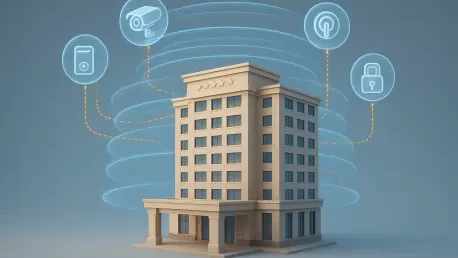
Digital innovation in hospitality is a double-edged sword that streamlines operational workflows while simultaneously introducing remote entry points for malicious actors. As guests enter a modern luxury suite, the expectation for a frictionless environment has shifted from mere physical comfort to

The implementation of a multi-hop relay system marks a groundbreaking development in mobile malware, allowing stolen sensitive files to jump between multiple compromised devices before exfiltration. This architectural shift challenges the fundamental security assumption that an offline device is a

Using tools for selective blocking and number scrubbing forces criminal organizations to abandon difficult targets and move on to less prepared individuals. Phone scams in 2026 have moved past random dialing to precision-guided attacks utilizing stolen digital footprints. By combining leaked data

Internet-facing edge devices are facing a significant security challenge due to a specialized exploit dispatcher targeting firmware vulnerabilities in hardware from manufacturers like D-Link and Zyxel. These gateways, often overlooked in standard security audits, represent the thin line between