
The emergence of sophisticated generative artificial intelligence models has dramatically accelerated the rate at which malicious actors can weaponize zero-day vulnerabilities and conduct automated reconnaissance against critical infrastructure. This rapid evolution in the threat landscape has

Enterprises that once viewed automated intelligence as a secondary competitive advantage now find themselves managing sprawling networks of autonomous agents that dictate everything from supply chain logistics to customer interactions. As these systems move from the periphery to the core of the
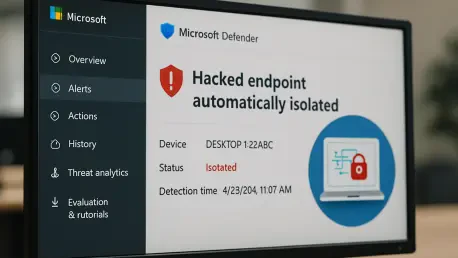
The velocity of modern ransomware attacks necessitates a defensive posture that operates at machine speeds rather than relying on human intervention to mitigate threats before they traverse the network. Microsoft Defender for Endpoint has introduced a sophisticated automated response capability

Modern software development pipelines now operate at a velocity where manual security gates are not just obstacles but active liabilities to business continuity and market competitiveness. As organizations fully commit to the DevSecOps model, the traditional silos separating security specialists
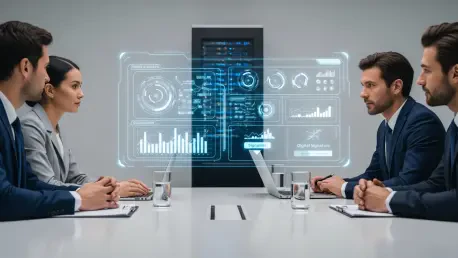
Imagine a scenario where a sophisticated procurement agent identifies a critical supply chain bottleneck and negotiates a significant discount, but then stalls because it lacks the digital signature authority to finalize the legally binding contract. This specific friction point represents the
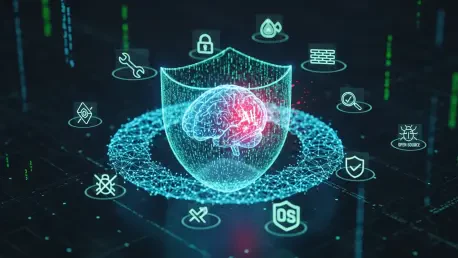
The rapid expansion of large language models into enterprise workflows has created a playground for adversarial attacks that traditional firewalls are simply not equipped to handle. As organizations shift from experimental prototypes to mission-critical deployments, the vulnerability surface has