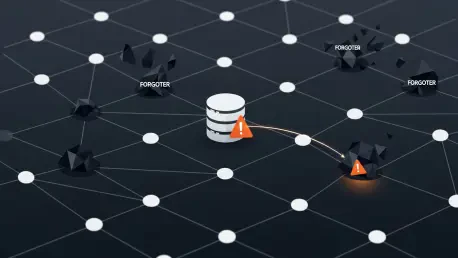
A legacy HVAC sensor from five years ago remains plugged into a server room wall, unnoticed by current IT staff yet still broadcasting on the corporate network. This device represents more than just a piece of outdated hardware; it is a permanent bridge over the perimeter defenses that companies

The rapid expansion of decentralized digital infrastructure has created a landscape where traditional manual oversight is no longer sufficient to protect critical corporate assets from sophisticated automated threats. Companies are now navigating a reality where the sheer volume of data generated

The rapid transition from simple chat interfaces to sophisticated autonomous agents that can execute transactions, modify codebases, and interact with third-party APIs has introduced a fundamental shift in the enterprise security landscape. As these digital entities gain the ability to operate

Modern enterprise security architecture has fundamentally shifted away from traditional network boundaries toward a complex, identity-centric model where every user and machine must be verified. In 2026, the proliferation of hybrid cloud environments has necessitated a more granular approach to

Every time a mobile device connects to a public network or processes a digital transaction, it relies on a complex web of security patches to ward off sophisticated cyber threats. For many owners, the sleek exterior of an older handset masks a dangerous reality: the digital shield provided by the
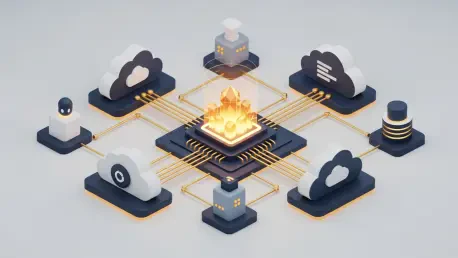
The traditional perimeter that once defined corporate security has effectively vanished as organizations embrace a sprawling ecosystem of public clouds, private infrastructure, and a globalized workforce accessing resources from countless remote devices. This shift toward a borderless architecture