A compromised student account serves as a dangerous gateway to sensitive cloud storage, email systems, and broader identity data within a school's digital perimeter. As 2026 progresses, Australian educational institutions face an urgent mandate to align with the Essential Eight cybersecurity

Beyond account liquidation, the TWEAKOS administrative console allows operators to trigger nuisance scripts that display persistent warnings on a victim's screen as a form of coercion. The emergence of this multifaceted malicious operation represents a critical evolution in the cybercrime landscape
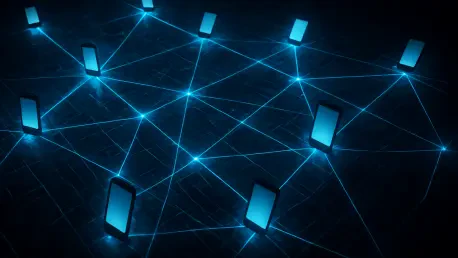
The terrifying reality of modern mobile security is that a device can be compromised without a single tap or swipe from its owner, rendering traditional safety advice like "don't click unknown links" entirely obsolete in the face of silent, signaling-based exploits. This paradigm shift in cyber

Modern cyber attackers are increasingly moving away from technical exploitation in favor of logging in with stolen credentials found on underground markets. This shift has created a frustrating paradox for industrial leaders who have invested heavily in traditional defense-in-depth strategies.

By integrating generative AI to craft professional communications, attackers are successfully bypassing traditional defenses and exfiltrating massive quantities of corporate data from SharePoint and OneDrive for Business. As the global enterprise landscape rapidly shifts toward passwordless

Digital forensics suggest the attackers deliberately focused on gathering high-value data points, including withdrawal records and professional occupation details, to build more effective scams. This startling revelation underscores the severity of the security incident that became public on