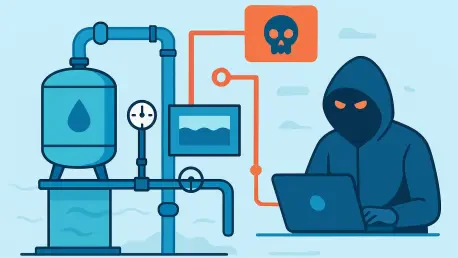

Many small community water systems are effectively digitally defenseless because they cannot afford the high costs associated with professional managed detection and response services. This economic barrier has created a significant national security vulnerability, as thousands of rural utilities remain exposed to increasingly sophisticated digital threats. To address this crisis, a pivotal partnership between the DEF CON Franklin project and the National Rural Water Association (NRWA) has emerged to provide free managed detection and response (MDR) services to utilities serving fewer than 10,000 residents. This initiative marks a shift from historical advisory-only models toward a funded, proactive approach that supplies professional-grade security tools to resource-strapped service providers. By focusing on the smallest community systems, the program aims to close a dangerous gap in national defense. The goal is to ensure even remote water facilities possess the necessary tools to monitor, detect, and neutralize cyber threats before they can disrupt essential public services.
Analyzing the Security Gap: Why Rural Infrastructure Is at Risk
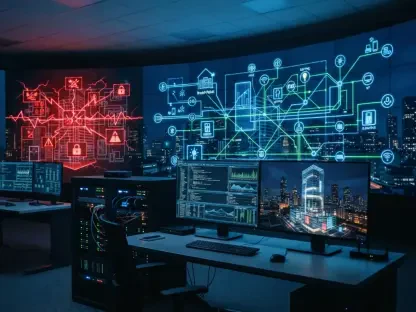
Rural water systems represent a massive portion of the national grid, with over 90% of the 50,000 community water systems in the United States serving small populations. These entities are frequently targeted by foreign cyberattacks, yet they often operate with minimal staff who lack the time or technical expertise to manage complex digital defenses. To combat these rising risks, the collaborative program utilizes sophisticated MDR software provided by several major cybersecurity firms to monitor utility networks for suspicious activity in real-time. This software is designed to operate silently in the background, identifying anomalies that might indicate a breach or an unauthorized intrusion attempt. When a threat is detected, the recently established Water Watch Center acts as a central hub for gathering and anonymizing threat intelligence. This center provides the necessary expertise to analyze data that a local water operator might find incomprehensible. By moving the burden of analysis to experts, the project ensures that high-level security is accessible.
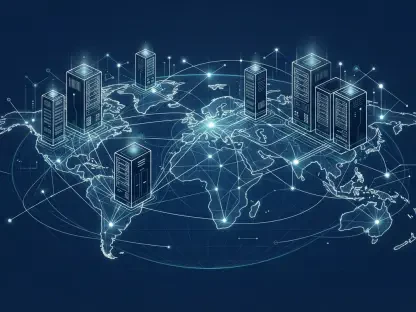
Once data is collected at the Water Watch Center, it is shared with federal partners like the Cybersecurity and Infrastructure Security Agency (CISA) and industry information centers to create a force multiplier effect. This collaborative intelligence-sharing model allows for the rapid identification of patterns that might signal a widespread campaign targeting specific types of hardware or software used in the water sector. By analyzing threats from one small town, the project can effectively warn and protect thousands of other utilities across the country. This proactive stance is essential for staying ahead of adversaries who often reuse the same tactics across multiple targets. The ability to anonymize and aggregate threat data provides a comprehensive view of the landscape that was previously impossible to obtain due to the fragmented nature of the water industry. This strategic layer of defense transforms individual, isolated utilities into a unified network capable of collective resistance against digital aggression.
Implementing Comprehensive Protection: From Software to Sustainable Policy
The initiative relies on a unique hybrid model that pairs high-end technology with the practical assistance of specialized volunteers who understand the nuances of industrial systems. While automated software provides the initial layer of defense, volunteers handle the critical last mile of implementation by helping small utilities map their networks and create actionable incident-response plans. This hands-on support is vital because technology alone cannot fix the underlying vulnerabilities of a utility that lacks a dedicated IT strategy. The primary challenge moving forward is scaling this model to reach tens of thousands of utilities that remain unprotected. This requires a streamlined process to overcome the significant logistical hurdles of connecting remote entities to modern security services. Organizers are focused on creating a repeatable framework that can be deployed quickly without exhausting the pool of available resources. As more systems join the network, the complexity of managing these connections increases, requiring advanced coordination and standardized protocols.
While initial funding for this project has come from private philanthropic grants, there was a general consensus that charity was not a sustainable solution for protecting national infrastructure. To address this, federal support began to integrate cybersecurity funding into existing legislation like the Farm Bill, treating digital security as a fundamental component of infrastructure maintenance. This transition toward a federally supported cybersecurity framework offered a clear path for stabilizing the nation’s most vulnerable utilities. Policymakers and industry leaders recognized that securing small systems required a permanent shift in how infrastructure was defined. By prioritizing managed detection services, the sector moved toward a model where every community possessed a baseline level of protection. Ultimately, the industry moved away from reactive measures and embraced a proactive stance that treated digital integrity as a core requirement of public health. This evolution ensured that the nation’s water supply remained resilient against the challenges of a complex global threat landscape.