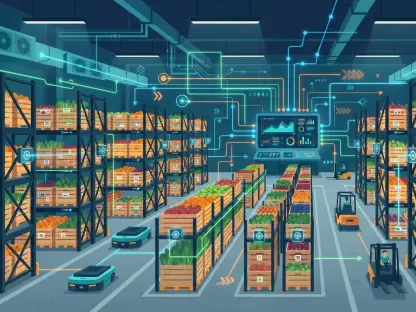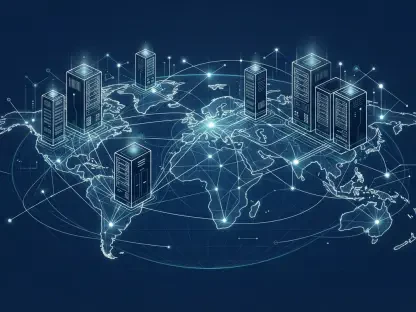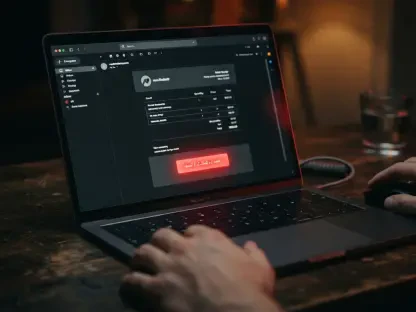

Access to real-time shipment information allows criminals to know exactly who is driving a specific truck and when it will arrive, facilitating targeted physical theft and fraud. This fundamental vulnerability has been thrust into the spotlight following a confirmed security breach at Uber Freight, where the Helix hacking collective claimed to have exfiltrated nearly one million internal documents. The stolen data includes a vast array of sensitive materials, such as internal employee emails, OneDrive storage contents, and detailed financial records, all of which pose a significant risk to the integrity of global supply chains. Although the organization stated that the incident was quickly mitigated and that core operations remained unaffected, the event highlights the persistent threat posed by sophisticated cyber actors. The discrepancy between the hackers’ claims of total access and the company’s reports of containment illustrates a common theme in modern digital warfare, where the battle for narrative control is as critical as the technical defense of the network infrastructure itself.
Adversary Tactics and the UNC6671 Cluster
Sophisticated Social Engineering: The MFA Bypass Threat
Security analysts have identified the perpetrators as belonging to the UNC6671 cluster, an aggressive threat group renowned for its mastery of “vishing,” or voice-based phishing. These actors specifically target high-value sectors by placing direct phone calls to employees, often impersonating members of the corporate IT department or help desk. By manufacturing a false sense of urgency, such as an impending account lockout or a critical system update, they successfully manipulate staff into revealing their login credentials or visiting malicious websites. These fraudulent portals are meticulously crafted to mirror official company login pages, making them virtually indistinguishable to an unsuspecting worker under pressure. The effectiveness of this tactic lies in its reliance on human psychology rather than purely technical exploits. By exploiting trust and urgency, UNC6671 circumvents traditional perimeter defenses, gaining an initial foothold that allows them to bypass several layers of security that would otherwise stop automated attacks.
The sophistication of the UNC6671 group extends far beyond simple password harvesting; they are particularly adept at bypassing multi-factor authentication (MFA) protocols. Once a victim is lured to a fake portal, the attackers prompt them for a secondary authentication code, which is then used in real-time to gain access to the legitimate system. This “man-in-the-middle” approach renders basic SMS-based or app-notification MFA insufficient against a determined adversary. After achieving this initial access, the hackers move laterally through the internal environment, specifically targeting cloud-based business applications and document repositories. This strategy allows them to extract high-value data, including strategic plans and sensitive communication logs, without triggering immediate alarms. The focus on transportation and technology companies suggests a calculated effort to gather intelligence that can be used for secondary extortion or more complex physical cargo theft operations in the future.
Network Infiltration: The Evolution of Modern Vishing
The rise of remote and hybrid work models has inadvertently provided a fertile ground for these vishing campaigns to flourish. As employees become more accustomed to communicating with IT support through digital and voice channels, the skepticism that once guarded against such intrusions has begun to erode. Attackers in the UNC6671 cluster have capitalized on this shift by refining their scripts and utilizing deep-fake voice technology to further enhance their credibility. This technological advancement allows them to mimic the tone and jargon specific to the target company’s culture, making the deception even more convincing. The result is a highly effective entry vector that bypasses the millions of dollars invested in firewalls and endpoint detection. For a logistics giant, where communication between disparate teams is constant and fast-paced, these social engineering tactics are particularly dangerous because they exploit the very collaboration tools that are essential for maintaining operational efficiency.
Beyond the immediate theft of data, these social engineering attacks create a lasting climate of suspicion within an organization. When employees can no longer trust the voice on the other end of a phone call or the authenticity of a help desk request, the speed of internal operations can suffer. Furthermore, the successful breach of a major logistics player like Uber Freight serves as a proof of concept for other threat actors, signaling that the human element remains the weakest link in the supply chain. This realization has forced security leaders to reconsider their approach to internal training, moving away from generic compliance modules toward specialized simulations that mimic the high-pressure tactics of vishing. The goal is to build a culture of “productive skepticism” where verifying identity is seen as a standard operational procedure rather than an inconvenience. As these attacks become more frequent from 2026 to 2028, the ability to resist psychological manipulation will be a key differentiator in corporate resilience.
Strategic Risks in Modern Freight Platforms
Data Concentration: A Dangerous Double-Edged Sword
The pivot toward digital freight platforms has created a centralized repository for the world’s logistics data, creating what security experts refer to as “crown jewel” targets. By consolidating shipment details, financial records, and carrier information into a single ecosystem, these platforms offer an irresistible bounty for cybercriminals. A single successful breach can provide an attacker with a comprehensive map of global trade flows, including high-value routes and the specific schedules of premium cargo. This concentration of data means that a vulnerability in one platform can have cascading effects across the entire supply chain, impacting shippers, carriers, and end consumers simultaneously. The strategic risk is not just the loss of privacy, but the potential for an adversary to weaponize this information to cause physical disruption. In a centralized digital environment, the security of the whole is only as strong as its most vulnerable access point, making the protection of these hubs a matter of national and international economic security.
Access to stolen document templates and legitimate business communication logs allows attackers to engage in highly sophisticated fraud that is nearly impossible to detect through traditional means. By using actual shipping manifests and internal signatures, criminals can create fraudulent messages that appear to come from trusted partners or senior management. This capability enables tactics such as carrier impersonation, where a criminal redirects a high-value shipment to a warehouse under their control by sending a perfectly timed and formatted email. The level of detail provided by a breach of this scale means that the “red flags” typically associated with phishing—such as poor grammar or incorrect terminology—are entirely absent. Consequently, employees and logistics partners may follow instructions that lead to the physical theft of goods, believing they are acting on legitimate orders. This weaponization of corporate data transforms a digital security failure into a tangible, physical loss, demonstrating the interconnectedness of cyber and physical risks.
Trust Erosion: The Impact on Partner Relationships
Even when a breach does not result in the immediate theft of cargo, the operational burden of responding to such an event is immense. Organizations must dedicate significant resources to forensic investigations, legal compliance, and stakeholder communication, often diverting attention away from core business goals. In the freight industry, where margins are often thin and timing is everything, these distractions can lead to delays and increased operational costs. Moreover, the need to reset credentials, audit permissions, and implement new security controls can temporarily slow down the very digital processes that were designed to speed up the movement of goods. This friction is a hidden cost of cybersecurity failures, impacting the overall efficiency of the global logistics network. As companies scramble to verify the integrity of their data, the resulting slowdown can ripple through the supply chain, affecting everything from manufacturing schedules to retail inventory levels, ultimately costing the industry millions in lost productivity.
The long-term impact of a high-profile data breach is often felt most acutely in the erosion of trust between a platform and its network of carriers and shippers. In a digital brokerage model, trust is the primary currency; shippers must feel confident that their proprietary data is safe, while carriers need to know that their financial information and operational schedules are not being exposed. When a breach occurs, it calls into question the platform’s ability to protect its most valuable assets, leading some partners to seek alternatives or demand more stringent security audits. This shift can disrupt long-standing business relationships and force a realignment of the competitive landscape. To regain this trust, logistics providers must demonstrate a commitment to transparency and a willingness to invest in advanced security measures that go beyond industry standards. The challenge lies in balancing the need for open, efficient digital communication with the imperative to safeguard the sensitive data that fuels the modern global economy.
Industry Recommendations for Future Defense
Security Architectures: Moving Toward Phishing Resistance
To effectively combat the sophisticated tactics used by groups like UNC6671, logistics companies must transition toward phishing-resistant authentication methods. Traditional MFA, which relies on one-time codes or push notifications, has proven to be vulnerable to real-time interception and social engineering. In contrast, the implementation of FIDO2 passkeys and hardware-based security tokens provides a much higher level of protection by requiring a physical device or biometric verification that cannot be easily spoofed or shared over the phone. Coupled with a robust zero-trust security framework, where every access request is continuously verified regardless of its origin, these technologies can significantly reduce the attack surface. By assuming that the network is already compromised and verifying every user and device at every step, organizations can prevent the lateral movement that allows hackers to exfiltrate large volumes of data. This architectural shift is no longer optional for major players in the freight industry; it is a necessary evolution to ensure the continuity of global trade.
While technical solutions are vital, the human element remains a critical component of a comprehensive defense strategy. Logistics companies should implement specialized training programs that focus on the psychological triggers used in vishing and other social engineering attacks. This training should go beyond simple “don’t click this link” advice and instead teach employees how to handle high-pressure scenarios where an attacker might sound like a frustrated executive or an urgent IT technician. By conducting live, unannounced vishing simulations, organizations can identify vulnerable departments and provide targeted education to those who need it most. Additionally, establishing clear, out-of-band verification procedures for sensitive requests—such as changing bank account details or granting administrative access—can provide a final line of defense. When employees are empowered with the knowledge and the processes to challenge suspicious requests, they become an active part of the security infrastructure rather than a liability to be managed.
Strategic Resilience: Building Transparent Supply Chains
The interconnected nature of the modern supply chain requires a collaborative approach to cybersecurity that extends beyond the walls of any single organization. Industry leaders should actively participate in information-sharing forums where they can exchange data on emerging threats and the specific tactics used by adversary groups. By pooling resources and intelligence, the logistics sector can develop a more comprehensive understanding of the risk landscape and implement proactive measures to protect shared infrastructure. This collective defense strategy is particularly important for smaller carriers and partners who may not have the resources to maintain a world-class security operations center. When major platforms like Uber Freight lead the way in transparency and collaboration, it raises the security posture of the entire ecosystem. This move toward a more open and cooperative security model from 2026 to 2028 will be essential for staying ahead of organized cybercriminal groups that operate with a high degree of coordination and strategic intent.
Ultimately, the lessons learned from recent breaches provided a clear roadmap for the future of logistics security. Forward-thinking companies prioritized the integration of advanced cryptographic identity management and deep-packet inspection for cloud-based traffic to detect anomalies in real-time. They also established dedicated incident response teams that included both cyber specialists and logistics experts to better understand the operational impact of potential data theft. By investing in these resilient architectures, the industry moved toward a model where security was integrated into the fabric of the platform rather than being treated as an afterthought. Furthermore, the focus shifted toward ensuring that even if a breach occurred, the stolen data was rendered useless through comprehensive encryption and tokenization strategies. These proactive steps ensured that the global supply chain remained robust in the face of evolving digital threats, proving that while risks are inevitable, they can be effectively managed through constant vigilance and technological innovation.