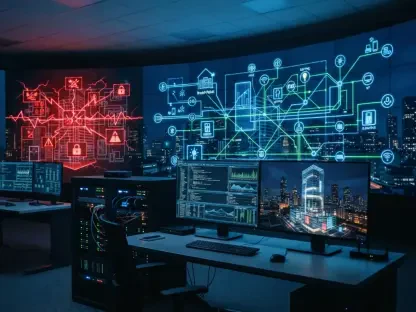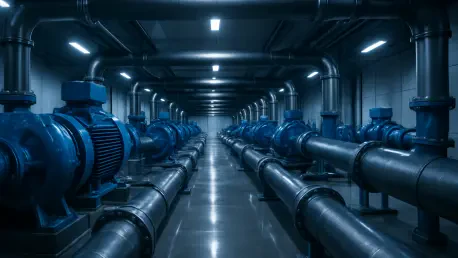

The silent hum of a municipal water pump or the rhythmic cycling of an electrical substation no longer represents just mechanical engineering; these sounds now signify the front line of a digital battlefield where the primary objective has shifted from stealing secrets to shattering steel. While the digital age began with the fear of stolen credit cards and leaked databases, the modern landscape features a much more visceral threat: the remote destruction of physical assets. State-sponsored adversaries are increasingly viewing the interconnectedness of industrial control systems as a vulnerability that allows them to bypass traditional warfare, opting instead to turn software into a kinetic weapon capable of inducing permanent mechanical failure.
This transition signals a departure from the era of ransomware and financial extortion toward a period of strategic sabotage. The goal is no longer a payout, but “impact at scale”—the ability to cripple a nation’s infrastructure so thoroughly that recovery becomes a multi-year logistical nightmare. As society relies more heavily on automated systems, the potential for a digital command to result in a physical explosion or a city-wide blackout has moved from the realm of science fiction to a pressing national security priority.
The Shift From Stolen Files to Shattered Hardware
Cyber warfare is evolving into a physical discipline where the keyboard acts as a remote detonator for critical infrastructure. In the past, attackers sought to exfiltrate proprietary data or lock files for ransom, but today’s most dangerous actors are focused on “bricking” the machinery that sustains life in the modern world. This pivot reflects a strategic intent to cause unrecoverable damage to the physical world, moving beyond the transient disruption of services to the permanent annihilation of expensive, custom-made industrial hardware.
The stakes have shifted because digital theft is often reversible or manageable through backups, whereas a shattered turbine or a melted reactor core requires physical replacement. In a world where supply chains remain fragile and specialized parts have long lead times, the ability to destroy hardware remotely offers adversaries a level of leverage that traditional espionage never could. This is the new reality of “impact at scale,” where the focus is on creating catastrophic scenarios that bypass the digital realm entirely.
Why the Industrial “New Normal” Demands Urgent Attention
As geopolitical tensions fluctuate throughout the period from 2026 to 2028, the vulnerability of water systems and power grids has transformed technical debt into a primary national security crisis. Unlike the software-defined world of traditional IT, the operational technology environment relies on physical components that cannot be updated with a simple patch or restored from a cloud backup. When malware overrides the logic of a heavy-duty pump or a high-voltage breaker, the resulting physical stress can lead to mechanical failures that are essentially non-recoverable in the short term.
This industrial reality is particularly dangerous because the inventory of critical replacement parts is often insufficient to handle a widespread attack. Many manufacturing plants and utility providers operate on just-in-time supply chains, meaning that a coordinated strike against the electrical grid could leave millions without power for months while new transformers are manufactured and shipped. The transition from digital extortion to physical wreckage signals that adversaries are no longer just looking for a seat at the table; they are looking to break the table itself.
Decoding the Anatomy of Kinetic Cyberattacks
The methodology of destruction often begins with targeting the very systems designed to keep operations safe. Adversaries have learned to disable safety-instrumented systems, such as those targeted by the Triton malware, which act as the final line of defense against explosions or equipment meltdowns. By neutralizing these monitoring protocols, hackers ensure that when they force a machine to operate beyond its physical limits, no alarm will sound and no automatic shutdown will occur until the hardware has already been destroyed.
Furthermore, the rise of wiper malware marks a definitive end to the era of reversible threats. While ransomware leaves a path to recovery, wipers are designed for pure destruction, erasing the logic that allows a programmable logic controller to communicate with the rest of the facility. These ticking time bombs can be planted within a system and left dormant for years, waiting for a geopolitical trigger to activate a routine that causes mechanical stress. This latent threat creates a state of perpetual vulnerability where the physical integrity of a facility is always in question.
Expert Perspectives on the Erosion of Industrial Security
Federal authorities, including CISA and the White House, are sounding alarms because the current threat landscape favors destructive impact over traditional intelligence gathering. Experts note that recent campaigns by Iranian actors against domestic water utilities demonstrate a chilling willingness to override the instructions that maintain safe water pressure and chemical levels. While these specific incidents were detected before causing major harm, they served as a proof of concept for how easily a remote actor can manipulate the physical properties of a public utility.
The most troubling observation from security engineers is the lack of sophistication required to achieve these results. Hackers often do not need to rely on advanced artificial intelligence or “zero-day” exploits when many industrial systems still use default passwords and unencrypted communication pathways. This myth of sophistication creates a false sense of security, as many organizations focus on defending against high-tech threats while leaving the “front door” wide open through simple administrative oversights and technical debt that has accumulated over decades.
Strategies for Hardening Operational Technology Against Destruction
Defending against physical destruction required a fundamental shift away from factory-default settings and toward robust, multi-layer authentication. Legacy environments, which were often designed with the assumption of physical isolation, had to be retrofitted to require verifiable identity for any change in system logic. This involved moving beyond simple passwords to hardware-based tokens and encrypted communication channels that prevented an attacker from masquerading as a legitimate operator during a crisis.
Visibility also extended into the internal logic of the devices themselves, rather than just monitoring the network traffic surrounding them. Implementing deep packet inspection and logic verification for controllers allowed engineers to detect dormant malware that might have been waiting for a specific trigger to execute a destructive command. Additionally, organizations were encouraged to build strategic reserves of critical industrial components, ensuring that if a physical failure did occur, the timeframe for recovery was measured in days rather than years.
The final shift toward securing the nation’s industrial core necessitated a collaborative effort that transcended traditional IT boundaries. Security professionals prioritized physical safety and mechanical continuity, ensuring that the engineering workflows remained intact while adding layers of digital resilience. By addressing the latent vulnerabilities within the hardware and securing the supply chain for critical replacements, the nation began to neutralize the threat of kinetic cyber warfare. This proactive approach sought to dismantle the ticking time bombs within the infrastructure, shifting the balance of power back to the defenders who maintain the essential services of modern life.