Public officials and private contractors now face increased security risks after their names and physical addresses were accessed during the recent server breach. This breach targeted the Government Solution Service (GSS), a cornerstone of Japan’s centralized IT infrastructure. The Digital Agency confirmed that unauthorized actors successfully infiltrated internal servers, compromising roughly 246,000 personal records. While centralized systems are designed to streamline bureaucratic efficiency, this incident demonstrates the inherent danger of a single point of failure within a state-managed network. The intrusion represents a targeted strike against the backbone of government operations, affecting various ministries and their partners. As details emerge, questions surface about why the notification process took over two months. This serves as a reminder that frameworks are vulnerable if security protocols fail to keep pace with the evolving threat landscape.
Critical Failures: Detection and Response
The Response Timeline
Forensic analysis of the Government Solution Service infrastructure reveals a troubling gap between the initial breach and the public disclosure. While the Digital Agency first identified suspicious activity on June 25, 2026, subsequent investigations confirmed that attackers had gained access as early as late May. This means for nearly an entire month, unauthorized entities navigated the internal network undetected, utilizing legitimate staff credentials to map the system’s architecture. Despite detecting high-volume file access and identifying the breach in early summer, the agency waited 78 days before notifying the public on September 11. This delay has sparked scrutiny from cybersecurity experts and citizens alike, as the lack of transparency may have hindered the ability of affected individuals to protect themselves from identity theft. The internal silence during the investigation suggests a prioritization of forensic integrity over public accountability.
Patch Management Gaps
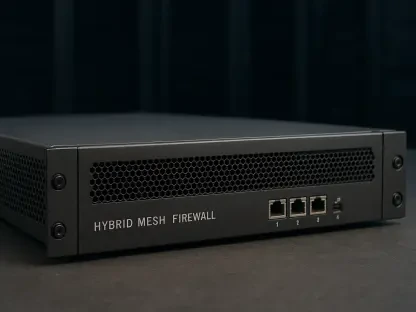
The vulnerability used to gain entry into the government network was not a sophisticated zero-day exploit, but rather a known flaw in a Virtual Private Network (VPN) appliance. Security analysts determined that the attackers leveraged a medium-severity vulnerability for which a manufacturer patch had been available for some time prior to the attack. This revelation highlights a significant lapse in the agency’s patch management cycle and highlights the ongoing risk of internet-facing equipment. When the entry point was finally identified on July 9, the agency moved to suspend compromised credentials and sever external network connections for the affected hardware. However, the damage was already done, proving that even a single unpatched appliance can serve as an open door for persistent threat actors. This incident demonstrates that maintaining rigorous cybersecurity hygiene requires the consistent application of basic security updates across all state-managed digital assets.
Privacy Risks: The Human Element
Data Exposure Scope
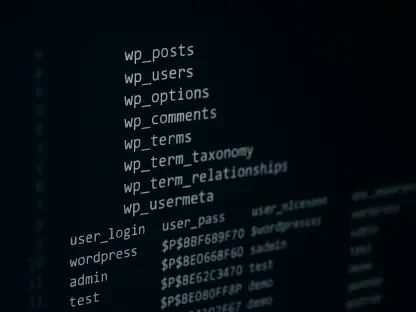
The records accessed during this breach involve a vast network of individuals who keep the Japanese state operational. Approximately 189,000 records belong to public officials and government employees, while 57,000 belong to private contractors and supporting business entities. The stolen data includes sensitive identifiers such as physical addresses, phone numbers, and email contacts. Fortunately, critical databases—including pension information, bank account details, and “My Number” identification data—were stored separately and remained untouched during the intrusion. Nevertheless, the exposure of physical addresses for government personnel introduces a unique physical security risk that extends beyond the digital realm. These individuals are now vulnerable to targeted social engineering or direct harassment, as their professional roles and residential locations are now linked in the hands of malicious actors. This breach forces a re-evaluation of how data is protected.
Strengthening Resilience
In the aftermath of this massive exposure, the Digital Agency began a comprehensive overhaul of its security frameworks to prevent a recurrence of such a wide-scale breach. The primary focus shifted toward strengthening external connection security and implementing a more aggressive vulnerability management program that prioritized the rapid deployment of security patches. Officials emphasized the need for better monitoring systems that could detect credential misuse in real-time, moving away from reactive forensics toward proactive threat hunting. This transition was essential for restoring public trust and ensuring the continuity of the Government Solution Service as it integrated more ministries into its centralized fold. While no immediate misuse of the stolen contact information was confirmed in the initial weeks, the agency established a specialized monitoring unit. The resolution of this crisis required a difficult admission of failure, resulting in a more resilient infrastructure.