
Defending against automated harvesting operations requires organizations to correlate unusual API batch requests with shifts toward multipart encoding schemes. The modern cybersecurity landscape for content management systems has transitioned from the era of noisy, disruptive brute-force attacks to a period defined by sophisticated, quiet, and high-efficiency harvesting operations. At the forefront of this dangerous evolution is the TIKTOUK toolkit, a specialized suite of malicious programs designed specifically to capitalize on common administrative oversights that occur during site migrations or routine maintenance. Rather than attempting to break through fortified digital perimeters, this operation focuses on the systematic identification of orphaned files and forgotten backups that reside in public-facing directories. These overlooked assets represent a massive vulnerability for organizations that fail to maintain strict digital hygiene in their web environments as the industry moves further into the 2026 threat cycle.
The Silent Hunt: Targeted Extraction of Orphaned Files
The primary objective of the TIKTOUK operation centers on the discovery of sensitive configuration files that administrators frequently leave behind after performing manual updates or troubleshooting server issues. Files such as wp-config.php.bak, .env environment variables, and backup.sql database dumps act as high-value targets because they often exist outside the primary protection of the CMS security plugins. When these files are accessible through a standard web browser, they expose the internal skeletal structure of a website’s security. Attackers leverage these files to obtain plaintext credentials for databases and server-side configurations without ever needing to exploit a traditional software vulnerability. This strategy effectively bypasses many modern intrusion detection systems that are specifically tuned to look for SQL injection or cross-site scripting attempts rather than simple, unauthorized file downloads from public directories.
Beyond simple database access, the TIKTOUK toolkit is highly optimized for the extraction of Amazon Web Services access keys and other cloud-native secrets. In the current development environment of 2026, many WordPress installations serve as front-end interfaces for much larger cloud ecosystems, making the compromise of a single configuration file a potential gateway to an entire corporate infrastructure. When these AWS keys are harvested, they provide malicious actors with the ability to spin up unauthorized compute resources, access sensitive S3 buckets containing proprietary business data, or even utilize expensive artificial intelligence services at the victim’s expense. The transition from a local website breach to a full-scale cloud environment compromise represents the most significant danger posed by this toolkit. It underscores the reality that a minor administrative error in a single directory can lead to financial and reputational devastation on a global scale.
Technical Arsenal: Understanding the Multi-Stage Harvesting Logic
The technical sophistication of TIKTOUK is evidenced by its multi-component architecture, starting with a specialized Python-based reconnaissance tool known as wp2s_poll.py. This component acts as the scout for the entire operation, retrieving massive lists of target URLs and determining if they are currently running active WordPress installations. Its methodology is uniquely specific; it utilizes REST API batch requests that combine malformed URLs with specific operations like paragraph rendering or category queries. This approach allows the attacker to probe the internal structure of the target site while remaining relatively stealthy. If the tool encounters a forbidden response, it is programmed to automatically switch to multipart encoding schemes. This shift is a deliberate attempt to bypass basic security filters and web application firewalls that may not be configured to inspect the contents of multipart requests with the same level of scrutiny as standard JSON or XML traffic.
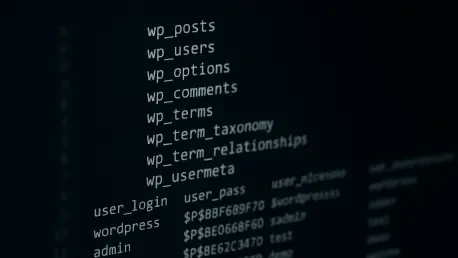
Following the reconnaissance phase, the operation deploys the wp2s_crack.py component to execute the actual extraction of sensitive secrets from the identified targets. This tool is specifically designed to hunt for the aforementioned configuration backups and database entries, but it also features advanced logic for querying the WordPress options table to find SMTP credentials and third-party API keys. Simultaneously, a Go-based scanner called jscrawl-amd64 is utilized to audit the website’s frontend assets, including all referenced JavaScript files. This modern approach recognizes a growing trend among developers who inadvertently hardcode sensitive API keys for services like SendGrid or Anthropic into client-side scripts. By crawling these scripts, the toolkit ensures that no credential remains hidden, regardless of whether it is stored on the server or delivered to the user’s browser. This comprehensive scanning capability makes TIKTOUK an exceptionally effective tool for wide-scale data theft.
Credential Recovery: Reversing Encryption Through Security Key Theft
One of the most technically interesting features identified by security researchers is the toolkit’s ability to recover encrypted passwords from popular SMTP plugins such as WP Mail SMTP and FluentSMTP. It is critical to understand that this does not involve a traditional cryptographic breakthrough or the exploitation of a flaw in the encryption algorithms themselves. Instead, because the TIKTOUK toolkit successfully extracts the core WordPress configuration files, it gains access to the unique security keys and salts used by the site to encrypt its internal data. With these original secrets in hand, the toolkit can simply reverse the encryption process to reveal the plaintext passwords for the site’s email delivery systems. This capability highlights the systemic risk inherent in modern CMS architectures, where the compromise of a single root configuration file effectively nullifies all secondary layers of protection that rely on those local secrets for their own cryptographic integrity.
Once these email credentials or AWS secret keys are obtained, the attackers focus on hijacking legitimate email delivery infrastructure, particularly Amazon Simple Email Service. The toolkit includes specific functionality to derive SES passwords from captured AWS keys, allowing the malicious actors to send massive volumes of email that appear to originate from a verified and trusted domain. This is a highly effective tactic for bypassing modern spam filters and reputation-based security systems, as the emails are technically legitimate from the perspective of the mail server. The hijacked infrastructure is then used to launch sophisticated phishing campaigns or distribute malware, often targeting the customers or employees of the compromised organization. By utilizing the victim’s own paid resources to fuel further attacks, the TIKTOUK operation creates a self-sustaining cycle of exploitation that maximizes the return on investment for the attackers while causing significant collateral damage.
Proactive Resilience: Establishing New Standards for Web Security
The analysis of the TIKTOUK toolkit provided a stark reminder that basic digital hygiene remained the most effective defense against automated harvesting operations. Security professionals observed that the primary risk to modern web applications often stemmed from minor configuration errors rather than complex zero-day vulnerabilities. To mitigate these risks, organizations were encouraged to implement strict file-access policies that prevented the exposure of environment variables or manual backups in the web root. Defensive teams also discovered that monitoring web server logs for specific REST API request patterns, particularly those involving paragraph rendering routes, served as a reliable early warning system. By correlating these unusual batch requests with sudden shifts toward multipart encoding, administrators successfully identified and blocked probing attempts before any sensitive data could be extracted. These proactive measures were essential in maintaining the integrity of the cloud environment.
The broader implications of this threat underscored the necessity of a comprehensive credential rotation strategy that extended beyond simple password updates. Once a probe was detected, organizations realized that all associated secrets, including database passwords, SMTP credentials, and AWS access keys, had to be treated as compromised. Moving forward, the industry moved toward the adoption of automated scanning tools that specifically looked for orphaned files and hardcoded secrets within both server-side and client-side code. This transition helped bridge the gap between development and security, ensuring that the convenience of rapid deployment did not come at the expense of infrastructure safety. The TIKTOUK operation served as a catalyst for a more rigorous approach to cloud security, where the protection of secrets became a foundational element of the overall risk management framework. Ultimately, the lessons learned from this campaign reshaped how organizations approached the security of their content management systems.