
The digital landscape demands instantaneous response times that traditional delivery networks can no longer provide without a significant overhaul of their core architectural principles. As global demand for low-latency services surges, the integration of intelligent automation becomes a necessity rather than a luxury. Yewsafe recently launched an AI-driven platform that aims to unify content delivery, edge computing, and advanced security into a single, cohesive framework. This approach addresses the increasing complexity of modern web applications by moving beyond static configurations toward a more dynamic, responsive model.
This article examines the core functionality of this new technology, exploring how machine learning and decentralized processing work together to optimize performance. Readers can expect to learn about the specific mechanisms that enable sub-second routing and the shift toward autonomous security measures. By looking at the practical applications for industries like gaming and e-commerce, the following sections clarify how this architecture supports the next generation of digital experiences.
Key Questions or Key Topics Section
How Does AI Orchestration Improve Network Performance?
Traditional content delivery systems often react to traffic issues only after users experience noticeable lag, creating a cycle of delays and manual adjustments. This reactive nature proves insufficient for modern applications that require constant, high-speed data streams. Yewsafe addresses this by utilizing an AI orchestration layer that continuously monitors real-time network telemetry. This system looks at a vast array of variables, including user location, device specifications, and current application requirements, to build a predictive map of network health.
By analyzing these data points, the platform identifies potential congestion before it impacts the end user. It executes sub-second routing adjustments to bypass regional disruptions or unexpected traffic spikes. Consequently, this proactive management ensures that high-bandwidth activities, such as 4K streaming or competitive online gaming, maintain consistent performance regardless of external network conditions. The result is a more resilient infrastructure that adapts to the environment in real time.
What Role Does Adaptive Security Play in Protecting Digital Assets?
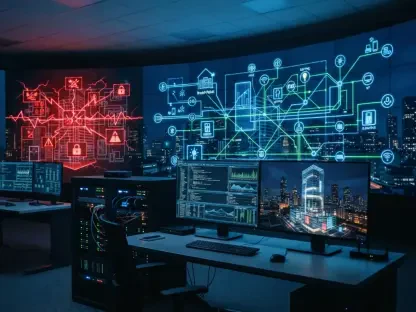
Static security rules frequently fail against modern, evolving cyber threats that can change their behavior patterns during an active attack. Relying on centralized firewalls often introduces latency and creates single points of failure that savvy actors can exploit. Yewsafe integrates security protocols directly into the edge layer, moving protection as close to the source of the threat as possible. This design allows the system to analyze incoming traffic patterns and identify anomalies without redirecting data to a distant scrubbing center.
The platform utilizes machine learning to distinguish between legitimate user spikes and malicious bot activity or DDoS attacks. This transition toward self-healing and autonomous defenses reflects a broader industry trend of removing human intervention from the immediate threat mitigation process. By neutralizing risks at the edge, the network maintains its integrity and speed, ensuring that security measures do not become a bottleneck for legitimate traffic.
Why Is Edge Computing Essential for Modern Interactive Applications?
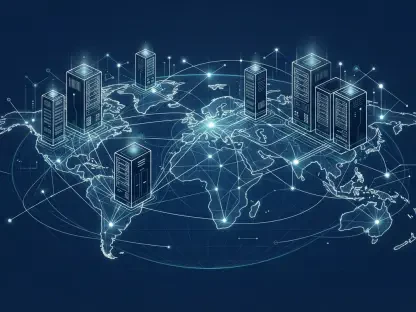
The physical distance between a data center and an end user remains the primary obstacle to achieving true interactivity in digital environments. As applications become more complex, the time it takes for data to travel back and forth—known as round-trip time—can degrade the user experience significantly. Edge computing solves this by allowing developers to execute application logic and AI inference much closer to where the user is actually located. This proximity minimizes the distance data must travel, which is vital for time-sensitive operations.
Moreover, this decentralized approach empowers developers to handle heavy workloads, such as IoT data processing or real-time personalization, without overloading central servers. Industries like e-commerce benefit from this by delivering localized content and instant search results, while the gaming sector uses it to maintain synchronization across global player bases. By distributing the computational load across the network, the platform provides a more scalable and responsive foundation for large-scale enterprise applications.
Summary or Recap
The integration of an AI-driven orchestration layer with edge computing and adaptive security represents a significant milestone in digital infrastructure. By combining these three elements into a single architecture, Yewsafe provides a solution that balances speed, scalability, and safety. The move toward predictive routing and real-time threat detection allows businesses to operate more efficiently in a high-demand environment. These advancements signify a shift away from traditional, rigid delivery models toward a more flexible and intelligent internet.
Organizations that adopt these decentralized processing techniques are better positioned to handle the technical requirements of modern digital services. The platform effectively reduces the burden on centralized data centers while improving the overall reliability of content delivery. As digital services continue to evolve, the ability to process data at the edge will remain a cornerstone of effective infrastructure management.
Conclusion or Final Thoughts
The emergence of AI-centric delivery platforms shifted the focus from simple data transport to intelligent, context-aware distribution. Businesses discovered that the integration of machine learning into the network edge provided a level of stability that was previously unattainable through manual oversight. This transition allowed for a more fluid exchange of information across global boundaries. Leaders in the gaming and streaming industries found that prioritizing decentralized logic helped them meet the rising expectations of a global audience.
Strategic shifts in how traffic was routed and secured highlighted the necessity of moving away from legacy systems. Future considerations for infrastructure development now center on how quickly a network can learn from its own telemetry. As the volume of global data continued to grow, the reliance on autonomous, self-healing architectures became the standard for maintaining a competitive edge. This evolution ensured that the digital world remained fast, secure, and ready for any sudden change in demand.