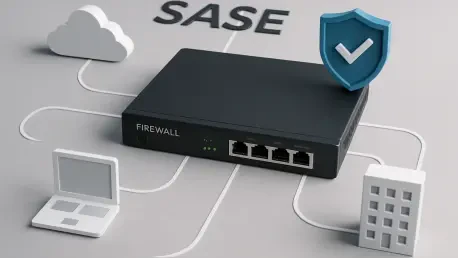

The collapse of the traditional network edge has fundamentally altered the cybersecurity landscape, forcing organizations to bridge the gap between their brick-and-mortar offices and a workforce that is now permanently distributed. This structural shift has paved the way for the “SASE Firewall” strategy, a bold initiative that merges secure networking with unified Secure Access Service Edge operations to create a seamless defensive posture. By integrating these previously disparate segments, the company recorded a combined growth rate of 34%, with activities in this category generating over $2 billion during the second quarter alone. At the heart of this transformation is a focus on hybrid environments, recognizing that the modern enterprise cannot rely solely on cloud-based solutions or legacy on-premises hardware. The strategy prioritizes a single operating system that governs every access point, ensuring that security policies remain consistent whether a user is working from a corporate headquarters or a remote home office in a different time zone.
Market Evolution: The Drive Toward Unified Security
Market Momentum: Replacing Fragmented Legacy Systems
Momentum within the Unified SASE sector has reached an inflection point, as evidenced by billings that surged by more than 100% during the recent quarter. This triple-digit growth is primarily driven by large-scale enterprises that are actively looking to replace legacy security providers with more integrated, modern stacks. A notable example involved a global pharmaceutical giant that signed a significant seven-figure agreement to secure 45,000 users across its international operations. This organization chose a unified approach specifically because it offered the ability to integrate security protocols across both cloud and local environments without the friction typically associated with multi-vendor environments. As businesses move away from fragmented, specialized security services, they are finding that unified platforms offer better visibility and more manageable control. This consolidation trend is not merely a cost-saving measure but a strategic necessity to maintain security consistency across diverse digital landscapes.
The transition toward these unified platforms is often motivated by the inherent weaknesses of traditional, siloed security architectures that struggle to communicate across different digital domains. When a company manages ten different security tools, the likelihood of a configuration error or a missed threat increases exponentially, creating gaps that sophisticated attackers are quick to exploit. By adopting a single, cohesive framework, IT administrators can apply a “write once, deploy everywhere” philosophy to their security policies, which significantly reduces the administrative burden on cybersecurity teams. Furthermore, the ability to scale these solutions rapidly allows businesses to adapt to changing market conditions or workforce expansions without needing to rebuild their entire security infrastructure. This flexibility is particularly attractive to industries with strict compliance requirements, such as finance and healthcare, where a unified view of data movement is critical for maintaining regulatory standards and ensuring long-term resilience.
Technical Innovation: Leveraging Custom Hardware at the Edge
Technical differentiation remains a primary factor in the ongoing expansion of the SASE market, particularly through the deployment of systems that support local traffic enforcement. Unlike many competitors who prioritize cloud-only models that route all data through distant points of presence, this strategy leverages proprietary FortiASIC processors to handle data inspection at the edge. By utilizing custom-built silicon, organizations can process massive amounts of traffic with minimal latency, which is a critical requirement for modern applications that demand real-time responsiveness. This capability allows for deep packet inspection and advanced threat protection to occur locally, ensuring that sensitive data does not necessarily have to leave the premises to be secured. Such a localized approach is indispensable for global organizations that must navigate complex data residency laws and sovereign requirements. The speed and efficiency provided by these specialized processors create a significant competitive advantage.
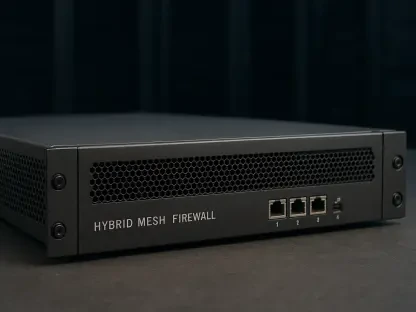
Furthermore, the flexibility of a hybrid mesh architecture allows enterprises to choose the deployment method that best suits their specific operational needs, whether that involves on-premises hardware, hybrid setups, or cloud-delivered security. This versatility enables the company to tap into a total addressable market that is substantially larger than the standard cloud security space alone. Many enterprises continue to maintain significant investments in physical data centers and specialized hardware that requires high-performance security capable of matching modern network speeds. By providing a unified operating system, FortiOS, across all these different form factors, the strategy ensures a seamless user experience regardless of the underlying infrastructure. This means that an employee accessing a sensitive database from a branch office receives the same level of protection and performance as one connecting via a secure cloud gateway. This focus on architectural choice has solidified the company’s position as a leader in the evolving hybrid market.
Operational Excellence: Scaling Growth and Strategic Reach
Financial Performance: Robust Product Demand and Efficiency
The financial results for the second quarter demonstrated exceptional strength, with total revenue reaching $2.05 billion and billings climbing to $2.37 billion. One of the most telling indicators of market health was the 52% jump in product revenue, which points to a robust refresh cycle currently taking place across the industry. Organizations are increasingly investing in high-powered firewalls that are capable of managing the intensive workloads associated with modern computing and artificial intelligence. As these hardware components become a larger portion of the total revenue mix, it suggests that the appetite for sophisticated physical security infrastructure remains a primary driver of overall corporate growth. This surge in product sales often acts as a leading indicator for future performance, as the installation of new hardware typically precedes long-term service and subscription commitments. This cycle ensures a steady stream of recurring revenue as customers look to update their assets.
Despite the logistical and manufacturing costs associated with a hardware-heavy business model, the company achieved an impressive non-GAAP operating margin of 38%. This level of profitability was achieved through significant operating leverage, where the organization successfully scaled its revenue while keeping its sales and marketing expenses in check as a percentage of total income. By streamlining internal processes and focusing on high-margin product lines, the firm has demonstrated that it can grow aggressively without sacrificing its bottom-line health. This financial discipline is particularly important in a competitive market where many players prioritize growth at all costs, often at the expense of long-term sustainability. The ability to maintain high margins while expanding market share reflects a mature business model that is well-positioned to weather economic fluctuations. It also provides the necessary capital to reinvest in research and development, ensuring that the company remains at the forefront of cybersecurity.
Strategic Expansion: Protecting AI and Industrial Verticals
Beyond the core networking market, the strategy has successfully branched out into highly specialized sectors such as Operational Technology and AI infrastructure. A recent eight-figure contract with a major cloud provider to protect generative AI data centers serves as a testament to the performance capabilities of custom-designed chips. These high-throughput environments require security solutions that can keep pace with AI processing speeds without becoming a bottleneck for data flow. Similarly, the Operational Technology segment saw billings increase by 55%, as utilities and industrial companies seek to protect critical infrastructure from an escalating array of cyber threats. In these environments, security is not just about protecting data but about ensuring the physical safety and continuity of essential services like power grids and manufacturing plants. The ability to offer distributed security solutions that can withstand harsh industrial conditions is a significant advantage in the rapidly growing OT security market.
The push toward vendor consolidation is also reflected in the rapid growth of AI-driven Security Operations, a business segment designed to simplify the complex task of managing modern security environments. By launching integrated platforms like FortiSOC, the company is helping IT departments replace a multitude of standalone, disconnected products with a single, AI-supported interface. This platform-centric approach allows security teams to automate many of the routine tasks associated with threat detection and response, freeing up human analysts to focus on more complex and strategic challenges. The integration of artificial intelligence into the security operations center enables faster identification of anomalies and more precise remediation of potential threats before they can cause significant damage. By reducing the noise and providing actionable insights, these AI-driven tools make security teams more effective and proactive. This strategic focus ensures that the company remains a vital partner for organizations navigating digital defense.
Looking back at the recent performance, it was clear that the integration of hardware performance with unified cloud services provided a template for navigating the complexities of modern security. Organizations that prioritized the consolidation of their security stacks onto a single operating system found themselves better equipped to handle the dual challenges of workforce distribution and the rising tide of AI-driven threats. To build on this success, IT leaders should evaluate their current infrastructure to identify areas where fragmented tools are creating unnecessary latency or security gaps. The next logical step for many enterprises will be to adopt hybrid mesh architectures that allow for localized data enforcement, thereby ensuring both compliance and performance. Future security strategies must also account for the rapid expansion of Operational Technology and AI data centers, which require specialized hardware capable of high-throughput processing. By focusing on these core areas, businesses can create a resilient and scalable security posture that is prepared for whatever technological shifts lie ahead.