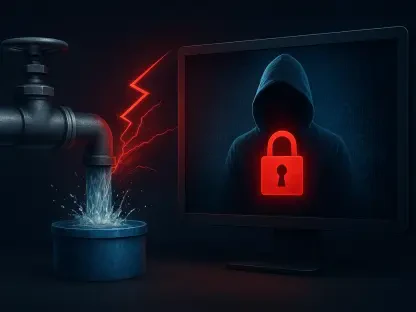

A single phone call made with calculated precision can dismantle the most sophisticated cybersecurity defenses by exploiting the inherent trust found within human interaction. This specific vulnerability became the catalyst for the significant data breach at Charter Communications, illustrating that even organizations with robust firewalls are susceptible to the nuances of voice phishing, or vishing. The attackers did not rely on complex malware; instead, they manipulated an authorized individual into granting access to sensitive internal systems. As digital identity verification becomes more layered, threat actors have pivoted toward psychological manipulation to bypass multi-factor authentication and biometric protocols. This incident serves as a stark reminder that the human element remains the most unpredictable link in the security chain. By assuming the identity of internal support personnel, perpetrators extracted credentials that exposed private info.
Tactical Execution: Vishing Methods
The methodology employed in the Charter breach involved a multi-stage social engineering strategy designed to build immediate rapport and urgency. Perpetrators often begin with reconnaissance, gathering names of managers or specific IT department structures through professional networking sites or previous minor leaks. When the call is finally placed, the attacker uses deepfake audio technology or a highly practiced professional tone to mimic an authorized administrator. In this case, the caller reported a non-existent technical emergency that required the employee to synchronize their credentials on a fraudulent portal. Because the request mirrored standard operating procedures, the employee complied without the usual skepticism reserved for automated phishing emails. This deceptive tactic effectively turned an internal asset into an unintentional accomplice, demonstrating how vishing bypasses traditional technical barriers. The speed of these calls leaves little time for verification.
Once the attackers obtained the initial login credentials, they navigated through the internal network to identify databases containing unencrypted customer data. In the Charter incident, the breach extended beyond names and addresses, touching service history and account specifics. The attackers utilized legitimate administrative tools already present in the environment to avoid triggering traditional signature-based detection systems. This “living off the land” approach ensured that their lateral movement remained quiet and undetected for an extended period. By the time internal monitoring flagged the unusual data egress patterns, the malicious actors had already transferred significant volumes of information to external servers. The integration of voice phishing with such advanced post-exploitation techniques underscores a sophisticated level of coordination that modern security teams must now anticipate. It is no longer enough to guard the perimeter; organizations must assume internal accounts can be compromised.
Defensive Evolution: New Protocols
Strengthening defenses against vishing requires a shift from passive awareness to active verification protocols that challenge every unusual internal request. Organizations like Charter are now implementing mandatory out-of-band verification for any action involving credential resets or access to high-value data silos. This means that if an employee receives a phone call from IT support, they are required to hang up and call back a verified internal number or use a separate encrypted messaging platform to confirm the caller’s identity. Deployment of behavioral analytics can help identify when an account is being used in a manner inconsistent with its historical profile, even if the login appears legitimate. AI-driven monitoring tools can detect subtle anomalies in navigation speed and access patterns, providing a secondary layer of defense that operates independently of human judgment. Training programs must evolve to include live simulations where employees experience realistic vishing attempts.
The resolution of this crisis required a new reimagining of how corporate trust was managed within the telecommunications sector. Security leaders moved away from relying solely on technological safeguards and instead prioritized the creation of a zero-trust culture where every voice communication was treated as unverified until proven otherwise. They established strict policies regarding the handling of sensitive data and ensured that no single individual possessed the authority to grant system-wide access without multiple levels of approval. Advanced identity management platforms were integrated to provide real-time alerts whenever administrative credentials were used from unexpected geographic locations or odd hours. These measures effectively closed the loopholes that the attackers exploited, turning the Charter breach into a case study for proactive organizational resilience. By treating social engineering as a primary threat vector, the industry successfully mitigated the risk of similar occurrences.