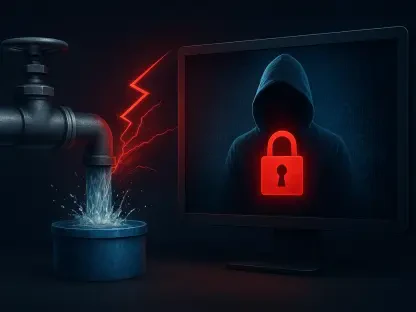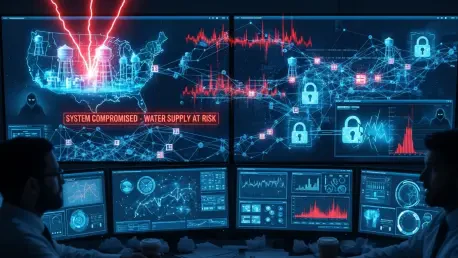

The sudden realization that a municipal water valve in a small town can be turned off by an operative sitting thousands of miles away has transformed from a theoretical nightmare into a chilling operational reality for American utility managers. Recent incidents across states such as Minnesota and Michigan have exposed a dangerous gap in national security, revealing that the digital infrastructure supporting our most basic human needs is far more fragile than previously understood. Federal agencies including the FBI and the Cybersecurity and Infrastructure Security Agency have actively tracked coordinated campaigns targeting community water systems, signaling that local districts are now the front lines of global digital conflict. These breaches demonstrate that the systems managing clean water and wastewater are increasingly susceptible to remote interference. As adversarial groups refine their methods, the vulnerability of these small-scale systems highlights a systemic weakness in how the nation protects its critical resources from sophisticated foreign actors who seek to disrupt civilian life.
Mechanics of Utility Breaches and Remote Exploitation
Industrial Controllers: The Digital Brain of Water Systems
The technical core of these vulnerabilities often lies in the exposure of Programmable Logic Controllers, which serve as the digital brains managing mechanical processes like chemical dosing and water pressure. In several documented cases, attackers linked to Iranian-affiliated groups gained unauthorized access to these devices because they were left directly connected to the public internet without adequate firewall protection. These controllers were originally designed for internal efficiency rather than external security, making them easy targets for anyone with basic scanning tools. When an industrial controller is reachable via a standard web browser, it bypasses many of the traditional security layers that people expect to find in critical infrastructure. This direct exposure allows malicious actors to scan for specific hardware vulnerabilities across thousands of miles. By exploiting these connections, hackers could potentially manipulate the physical properties of the water supply without ever setting foot on United States soil.
Monitoring Disruptions: The Impact of Hijacked Credentials
Once inside these operational networks, malicious actors can hijack administrative credentials, alter device configurations, and disrupt vital communications between the plant and its monitoring stations. This level of access leads to a significant degradation of water operations and a total loss of real-time monitoring capabilities for local operators who rely on these digital readouts. In the absence of reliable data, utility workers are forced to fly blind, unable to verify if the water being pumped into homes is safe or if the pressure levels are maintaining the integrity of the pipes. The sophistication of these attacks is not necessarily found in the code used but in the strategic selection of targets that lack the specialized IT staff to detect a breach in progress. Consequently, the disruption often goes unnoticed until physical symptoms emerge or external agencies provide notification. This lack of visibility creates a window of opportunity for adversaries to cause lasting damage to the public trust.
Structural Hurdles and the Global Strategic Context
Fragmentation Risks: Decentralized Networks and Shadow IT
The fragmentation of the American water sector creates a unique strategic risk where foreign adversaries use critical infrastructure as leverage in broader geopolitical conflicts. Unlike the highly centralized power grid, this sector consists of 50,000 independent community systems that frequently lack the financial resources for dedicated cybersecurity teams or threat-hunting software. This decentralization often leads to the installation of unmonitored modems or remote access points by third-party vendors, which provides attackers with unmonitored back doors into the operational network. Small utility crews, focused on mechanical maintenance and chemical safety, often struggle to maintain the digital hygiene required to counter these sophisticated state-sponsored actors. This gap in defense allows adversaries to establish persistence within networks, waiting for the most impactful moment to strike. Consequently, the safety of local water supplies has become a primary target for actors looking to cause widespread disruption and domestic pressure.
Resilience Strategies: Hardening the National Water Supply
The transition toward a resilient infrastructure demanded an aggressive reduction of the attack surface and the execution of thorough audits for all digital access points. It became clear that utilities had to move away from default factory passwords and mandate multi-factor authentication for any necessary remote access to operational technology. Moving forward, the industry adopted continuous monitoring systems that utilized behavioral analytics to detect unusual patterns in water flow or chemical levels. Federal authorities recommended disconnecting critical systems from the public internet entirely to prevent remote exploitation. This proactive approach allowed operators to respond to threats in real-time before public health was ever compromised. Collaborative efforts between agencies and municipalities eventually fostered a culture of shared intelligence, which established a stronger defensive posture. These actions proved that securing the water supply was a matter of national survival and required a permanent shift in how critical utilities are managed.