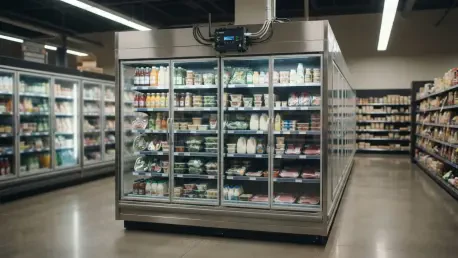

Investigations by France’s national cyber response team, CERT-FR, revealed that attackers specifically targeted vulnerabilities in common refrigeration controller models. These malicious actors focused on exploiting digital interfaces of essential hardware, causing significant operational chaos across the European retail sector during recent months. In Sweden, grocery chains like ICA and Coop suffered severe disruptions when hackers gained unauthorized access to temperature management systems, forcing freezer units to climb to an unprecedented 55°C (131°F). This intentional thermal spike destroyed vast quantities of perishable inventory, turning essential food storage units into heaters. While the Swedish retail giant ICA clarified that the affected stores utilized external connections rather than the company’s central network, the incidents underscored a terrifying new reality. The scale of the financial loss extended to the labor required to clear ruined stock and sanitize facilities before they could be returned to service.
Vulnerability of Connected Retail Infrastructure
Exploitation of Defrost Cycles and Controller Hardware
The methodology behind these attacks demonstrates a deep understanding of Industrial Control Systems (ICS) and the specific logic used to maintain food safety. Attackers identified specific controllers, such as those manufactured by Danfoss and Copeland, and manipulated the defrost mode designed for periodic ice removal. Under normal operating conditions, this function activates briefly to prevent buildup on coils; however, the hackers forced these systems into a permanent defrost state. By keeping the heating elements active indefinitely, they converted cooling units into ovens, rapidly pushing internal temperatures past the threshold of safety for fresh or frozen food. This tactic highlights a dangerous trend where cybercriminals prioritize physical disruption over traditional data theft or financial extortion. The transition from virtual data breaches to physical infrastructure sabotage represents a significant escalation in the threat landscape for 2026, as analysts note that many devices were connected directly to the internet.
Regional Impact and the Swedish Experience
In the Swedish context, the decentralized nature of store management played a critical role in how the breach unfolded and was eventually contained. Investigations suggest that the primary entry points were likely the management interfaces of individual refrigeration units that remained exposed to the public internet. Because many of these ICA and Coop locations operate with a degree of digital autonomy, the attackers could target specific sites without having to bypass the more robust defenses of a central corporate network. This incident has forced a reevaluation of how franchises and independent store owners manage their smart infrastructure. Beyond the immediate loss of frozen goods, the reputational damage is substantial, as customers face empty shelves and concerns regarding food safety standards. The Swedish cases mirror a previous wave of incidents in France, proving that this is a coordinated global trend. The shift toward smarter stores has created a vast attack surface that traditional IT teams are often ill-equipped to protect.
Strategic Defensive Measures for Retailers
Technological Solutions and Network Hardening
Mitigating these risks requires a fundamental shift in how refrigeration hardware is deployed and maintained within the retail environment. Cybersecurity experts emphasize that removing all public internet access for management pages is the most effective first step in securing these systems from remote manipulation. Instead of direct connections, operators should implement secure Virtual Private Networks (VPNs) for remote monitoring, ensuring that only authorized personnel with multi-factor authentication can access temperature controls. Furthermore, the practice of using default passwords must be strictly prohibited across all hardware deployments from 2026 to 2028. Regularly updating firmware is equally critical, as manufacturers release patches to close the very vulnerabilities exploited in these recent attacks. Implementing an air-gapped or highly segmented network strategy ensures that even if one part of the store’s digital infrastructure is compromised, the life-sustaining cooling systems remain isolated and operational.
Future Perspectives on Physical System Protection
The industry eventually recognized the need to move beyond reactive measures and adopted a proactive stance toward protecting physical assets from digital interference. It was determined that simply resetting a compromised controller proved insufficient if the underlying exposure remained, as attackers frequently regained access once the system returned to an online state. Building a culture of security awareness among refrigeration providers and store maintenance teams became essential for long-term resilience. This transition involved rigorous auditing of third-party vendors who maintained remote access for servicing purposes, ensuring their connection protocols met modern security standards. As progress continued through 2026, the integration of artificial intelligence for anomaly detection in temperature fluctuations provided a robust early warning system. Retailers identified unusual patterns in defrost cycles before they reached critical levels, allowing for manual intervention. These steps ensured that cooling infrastructure was finally treated as a high-priority asset.