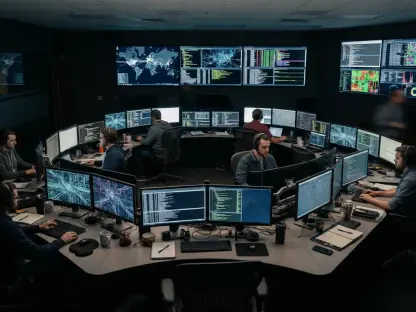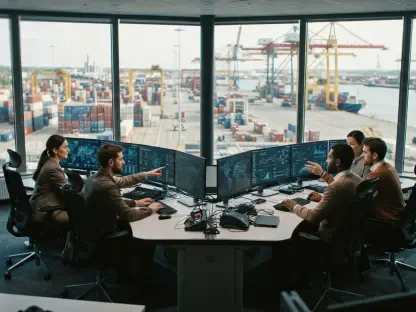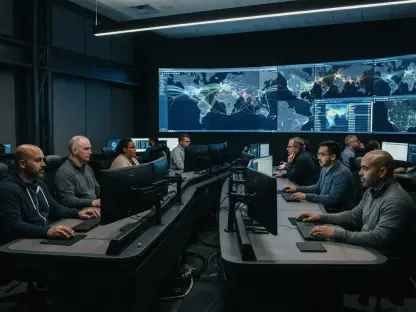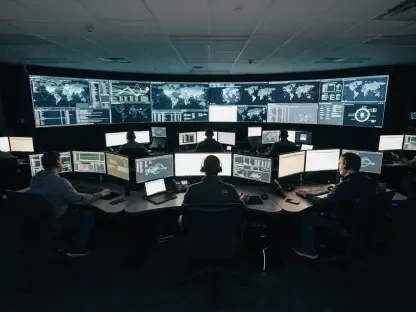

Although no sensitive data has been exfiltrated yet, the Equinor incident emphasizes the complexity of restoring integrity to compromised energy networks. This breach, which emerged during a period of relative operational stability for the Norwegian energy leader, targeted internal IT systems without triggering a catastrophic failure in physical production. While the company asserted that its core oil and gas output remained stable, the intrusion signaled a sophisticated departure from traditional malware-driven disruptions. The absence of a standard computer virus suggests that the actors employed a more methodical approach to penetrate the digital perimeter. This situation forced immediate coordination with national security authorities to isolate the threat and assess the depth of the infiltration. The challenge now lies in the process of scrubbing the network of persistent threats while maintaining a global supply chain that serves millions of consumers across Europe.
Critical Threats
Network Breaches
The intrusion into Equinor’s systems is not a localized anomaly but a clear signal of an accelerating trend where hackers focus on the foundational services of modern society. Recent patterns show a calculated interest in disrupting the logistical mechanisms that sustain daily life, as seen in previous campaigns linked to state-sponsored actors targeting supermarket refrigeration and cold storage for medical supplies. These operations demonstrate that the goal is often to create widespread social friction rather than immediate physical destruction. By disabling the software that manages schedules and internal communications, attackers can paralyze a corporation just as effectively as if they had physically damaged a pipeline. In the current landscape, the energy sector has become a primary target because of its high-stakes role in national security. This shift requires a reassessment of what constitutes a critical system, as administrative functions are now the primary gateway for paralysis.
Global Assets
As energy giants like Equinor expand their international assets, including major renewable energy initiatives like the Empire Wind project in New York and gas plants in Pennsylvania, their digital attack surface grows exponentially. Each new acquisition introduces a different set of legacy systems that must be integrated into a unified cybersecurity framework. The difficulty of securing such a diverse portfolio becomes evident when a breach in one region threatens the administrative integrity of the entire global operation. Experts argue that the integration of business IT with operational technology creates unforeseen pathways for lateral movement within a network. While a renewable wind farm might seem isolated from an oil platform, they often share centralized logistics platforms. Protecting these interconnected assets requires a decentralized security posture that can isolate regional breaches before they contaminate the corporate core, ensuring that localized incidents do not escalate.
Strategic Defense
Safety Protocols
According to Harry Thomas, the Chief Technology Officer at Frenos, the primary risk during these targeted attacks is the “nervous system” of the corporation. Even when physical machinery continues to operate, the loss of the administrative layer creates profound safety and delivery risks. Without internal IT systems, personnel cannot effectively monitor inventory, manage workforce rotations, or communicate emergency protocols across disparate sites. This raises a critical question for the industry: how long can a major utility provider maintain safe production when the underlying business infrastructure is offline? The industry is currently struggling to define the threshold where a loss of logistical visibility necessitates a proactive shutdown of physical operations. The Equinor incident serves as a real-time laboratory for testing these limits, highlighting the need for redundant backup systems that can sustain operations during a digital blackout. Companies must now invest in hybrid models.
Resilient Future
The recent events surrounding the Equinor breach demonstrated that maintaining production was no longer enough to claim victory against modern cyber threats. Organizations shifted their focus toward a “security by design” philosophy that prioritized the rapid restoration of system integrity over simple perimeter defense. It became clear that the next phase of energy security involved deep collaboration between private entities and government intelligence agencies to identify and neutralize threats in their infancy. Actionable steps taken by industry leaders included the implementation of zero-trust architectures and the regular conduct of full-scale digital fire drills to test response times and manual override capabilities. These measures ensured that even if the commercial nervous system suffered a blow, the physical heart of the energy grid remained stable. Moving forward, the focus remained on building a multi-layered defense strategy that treats every node as an entry point for cyberattacks.