
Modern security architectures relying on Windows Hello for Business face a critical design-level challenge where the operating system keeps signing keys available for use without requiring additional user interaction. This vulnerability stems from the way the Windows biometric and PIN-based
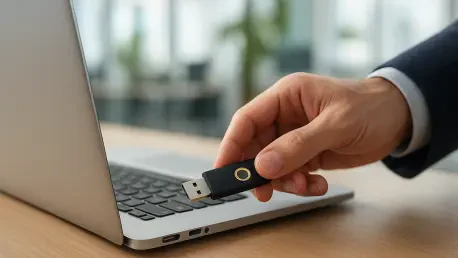
Security teams must recognize that verifying a second factor is no longer sufficient if the authentication process cannot confirm the legitimacy of the requesting site in real time. For years, the industry relied on "good enough" measures like SMS codes and push-based approvals, but the rapid

Enforcing conditional access policies that evaluate the health of a device and its geographic location before granting access adds an essential layer of context-aware security to cloud environments. As organizations navigate the complex digital landscape of 2026, the sheer volume of
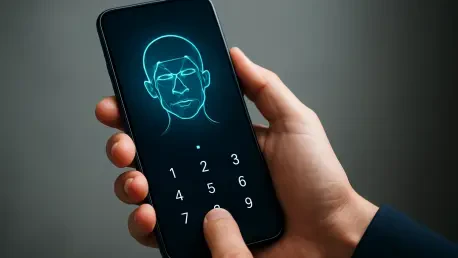
Android’s Identity Check feature mitigates the risk of unauthorized access by mandating biometric authentication for sensitive tasks like viewing saved passwords or disabling the Find My Device service. Even in an era where mobile technology has reached unprecedented heights, the simple act of a

Approximately 425,000 internal records from Vodafone have surfaced on cybercrime forums, illustrating the scale of the information being extracted from large-scale telecommunications tenants. This event is not an isolated occurrence but rather the centerpiece of a sophisticated campaign targeting

Modern authentication systems often fail to utilize background behavior detection, opting instead to layer on manual obstacles that disregard the wealth of data already available to the platform. This reliance on intrusive verification methods creates a friction-filled environment where legitimate