
The evolution of two-step verification now includes the use of special characters in passwords to create a much higher barrier for potential digital intruders. This shift reflects a broader industry movement toward biometric authentication protocols that prioritize user safety without losing the convenience expected by over two billion monthly users. As cyber threats become more complex through generative artificial intelligence and automated social engineering scripts, traditional SMS-based verification codes have shown significant vulnerabilities to interception and SIM-swapping. To combat these risks, the platform has integrated cryptographic passkeys which utilize local hardware authentication, such as facial recognition or fingerprint scanning, to ensure that only the rightful owner of a device can access an account. This shift marks a fundamental change in how digital identities are protected in an interconnected ecosystem where communication privacy remains the highest priority for developers and users.
The Shift Toward Passwordless Authentication: How Passkeys Change the Game
Implementing passkeys represents a strategic departure from the reliance on memorized strings of text, which are often reused across platforms or easily guessed by malicious actors. By leveraging the WebAuthn standard, the application generates a unique digital signature that is stored locally on a smartphone, effectively eliminating the risk of server-side data breaches compromising sensitive credentials. When a user attempts to log into their account on a secondary device, the system prompts for a biometric check or a device passcode that never leaves the hardware itself. This architecture ensures that even if a hacker manages to trick a user into revealing a code, they still lack the physical device or the biometric data necessary to bypass the secondary layer of defense. Consequently, the reliance on mobile carriers for identity verification through SMS is rapidly becoming a relic of the past as end-to-end encryption extends to the authentication process in 2026.
The transition to these secure methods offers a streamlined experience that removes the friction typically associated with complex password management and recovery procedures. Users no longer need to worry about forgetting intricate combinations of symbols or waiting for a text message that might be delayed due to network congestion or international roaming. Furthermore, the cross-platform nature of modern passkey implementations allows for seamless synchronization between mobile operating systems and desktop environments, ensuring a consistent security posture regardless of the access point. For businesses operating through the platform, this level of security reduces the likelihood of corporate account takeovers, which can lead to catastrophic data leaks or financial fraud. By grounding the authentication process in public-key cryptography, the service provides a robust framework that scales with the growing demands of modern communication while maintaining a high level of speed.
Combatting Fraud With Advanced Caller Identification and Verification
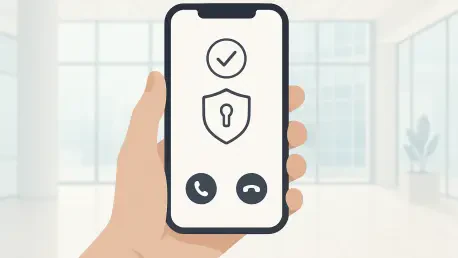
Beyond identity verification during login, the introduction of a sophisticated caller identification system addresses the rising tide of voice-based phishing and unsolicited promotional calls. This feature utilizes a centralized database of verified business accounts and a community-driven reporting mechanism to provide real-time context for incoming voice and video communications. When a call arrives from an unknown number, the interface now displays relevant metadata, such as the registered name of the organization or a warning flag if the number has been frequently reported as spam by other participants. This proactive approach empowers individuals to make informed decisions before answering, thereby significantly reducing the success rate of malicious actors who utilize spoofed numbers to impersonate financial institutions or government agencies. The integration of this technology creates a more transparent environment where the identity of the caller is authenticated early in the process.
Organizations and individual users found that the most effective way to leverage these new tools involved a comprehensive review of their existing security configurations and privacy permissions. It was clear that simply having access to passkeys was insufficient without the active participation of users in enabling biometric defaults across all associated devices. Administrators of large group chats and community channels prioritized the education of their members regarding the new caller ID indicators to prevent the spread of misinformation through unauthorized voice notes. Technical teams focused on migrating legacy accounts to the passkey standard, ensuring that recovery emails and secondary phone numbers were kept up to date to avoid lockouts during the transition phase. This proactive stance allowed early adopters to create a resilient defensive perimeter that successfully withstood several waves of sophisticated phishing campaigns by ensuring that every security layer was fully utilized.