
The rapid maturation of quantum computing has introduced a paradoxical reality where the very machines capable of solving humanity’s most complex problems also threaten to dismantle the cryptographic foundations of the global digital economy. On May 19, 2026, Concurrent Technologies Corporation (CTC) and Quantum Knight Inc. announced a strategic partnership designed to neutralize this existential threat by deploying post-quantum cryptography (PQC) across the most sensitive networks in the United States. This collaboration represents a decisive move to protect government, defense, and critical infrastructure from the impending “Q-Day,” the theoretical moment when quantum processors reach the scale necessary to break current public-key encryption. By merging CTC’s extensive history in applied scientific research with Quantum Knight’s innovative software-based security solutions, the alliance seeks to harden national assets against sophisticated adversaries who are already preparing for the post-classical era.
The Shift to Software-Defined Quantum Defense
Addressing the Quantum Threat and Legacy Systems
The emergence of “Harvest Now, Decrypt Later” (HNDL) tactics has fundamentally altered the timeline for cybersecurity modernization, forcing a shift in how federal agencies perceive immediate risks. Adversaries are currently intercepting and archiving massive volumes of encrypted communications, operating under the assumption that these data sets can be unlocked once quantum technology reaches sufficient parity. This reality has catalyzed a transition toward quantum-resistant frameworks, a movement reinforced by federal mandates such as the Quantum Computing Cybersecurity Preparedness Act of 2022. Rather than relying on centralized and inherently vulnerable server architectures, the new defensive posture emphasizes decentralized security models. These models are designed to ensure that data captured today remains mathematically inaccessible even when confronted by the immense processing power of future quantum computers, effectively neutralizing the long-term utility of intercepted information.
Protecting “brownfield” infrastructure presents a unique set of challenges because these existing systems, including industrial control units and various IoT devices, often lack the computational overhead required for modern security updates. Many of these systems are integrated into vital utilities like power grids, water treatment facilities, and transportation networks, where downtime for a hardware overhaul is not a viable option. The partnership addresses this bottleneck through software-defined defense strategies that essentially wrap a quantum-proof layer around legacy assets without necessitating their replacement. By implementing this protective shell, the collaboration ensures that the nation’s foundational services remain operational and secure during the broader transition to new cryptographic standards. This method provides a cost-effective and immediate safeguard for hardware that was never originally designed to withstand the sophisticated decryption capabilities of the 21st century.
Implementing Proactive Resilience Strategies
The move toward proactive resilience requires a departure from traditional reactive security patches, focusing instead on building immunity into the network fabric itself. This strategic evolution is particularly critical as nation-state actors continue to refine their cyber-espionage capabilities, seeking vulnerabilities in the digital supply chain. By integrating post-quantum algorithms into the current operational environment, the alliance creates a multi-layered defense that anticipates future technological leaps rather than merely responding to them. This foresight is essential for maintaining the integrity of national security databases and classified military communications, which require a level of permanence that classical encryption can no longer guarantee. The emphasis is on creating a flexible architecture that can adapt as quantum standards continue to evolve, ensuring that the United States remains at the forefront of digital sovereignty through continuous innovation.
Furthermore, the implementation of these advanced cryptographic layers serves as a deterrent against the increasing frequency of ransomware and high-level data breaches targeting critical infrastructure. When the cost and complexity of decryption exceed the potential gain for an attacker, the overall security of the network is significantly enhanced. The CTC and Quantum Knight partnership leverages this economic reality by deploying high-bit symmetric equivalence that renders brute-force attempts futile. As these technologies are integrated into the daily operations of federal agencies, they establish a new baseline for what constitutes “secure” in a post-classical world. This approach not only protects the data itself but also preserves public trust in the digital systems that govern modern life, from financial transactions to the management of essential resources, ensuring that the transition to the quantum age is marked by stability rather than disruption.
Innovation Through the CLEAR™ Cryptosystem
Technical Specifications and Regulatory Validation
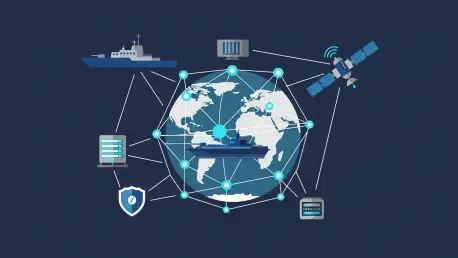
At the heart of this technological leap is the CLEAR™ cryptosystem, a platform that utilizes patented HyperKey™ technology to redefine the parameters of digital protection. This system provides an extraordinary 10,240-bit symmetric equivalence, offering a level of encryption that far exceeds the requirements of current classical standards. By enabling decentralized identity verification, the platform allows individual endpoints—ranging from orbiting satellites to field-deployed laptops—to manage their own security protocols independently. This architecture is vital because it eliminates the “single point of failure” risk associated with centralized key management systems, which are often the primary targets for sophisticated cyberattacks. When each device acts as its own secure bastion, the overall attack surface of the network is drastically reduced, making it significantly more difficult for intruders to move laterally through a system or gain unauthorized access to sensitive data.
The transition from theoretical security to operational deployment is governed by strict regulatory benchmarks, which the CLEAR™ system has successfully navigated to prove its field-readiness. The technology has already secured an Authority to Operate (ATO) from the FDA and achieved FIPS 140-3 validation, two of the most rigorous certifications in the industry. These milestones are not merely bureaucratic hurdles but serve as empirical evidence that the software can function reliably in high-stakes environments like the Department of Defense and the Intelligence Community. One of the most impressive features of the system is its ability to maintain ultra-low latency while executing heavy computational tasks required by quantum-resistant algorithms. This ensures that mission-critical operations, which often rely on real-time data processing, are not hindered by the very security measures meant to protect them, providing a seamless integration between high-level encryption and operational performance.
Decentralized Identity and Network Integrity
The decentralized nature of the HyperKey™ technology fundamentally changes the relationship between a network and its users, moving away from a model of implicit trust toward one of verified, endpoint-based authority. In traditional systems, a compromised central server could grant an attacker the “keys to the kingdom,” but this new approach ensures that identity is tied to the specific hardware and software environment of the user. This granular control is especially important for remote operations and mobile units that may frequently connect to unsecured or contested networks. By anchoring security at the edge, the system ensures that even if one segment of the network is compromised, the rest remains shielded and autonomous. This level of compartmentalization is a cornerstone of modern defense strategy, providing the resilience needed to withstand sustained digital assaults while maintaining the continuity of essential command and control functions.
Moreover, the validation of these systems under FIPS 140-3 standards indicates a level of cryptographic health that is required for modernizing the federal government’s digital backbone. As NIST continues to refine the global standards for post-quantum cryptography, having a “ready-now” solution that already meets high-level government requirements allows for an accelerated migration path. This readiness is a critical factor for organizations that cannot afford to wait for the finalization of every theoretical standard before taking action to secure their assets. The integration of CLEAR™ into CTC’s broader service offerings means that defense contractors and government agencies can begin the process of hardening their networks immediately. This proactive stance ensures that the United States is not caught off guard by sudden advancements in quantum computing elsewhere, maintaining a strategic advantage in the ongoing global race for technological and digital supremacy.
Strategic Integration for National Security
Bridging the Gap in Defense Readiness
One of the most persistent obstacles in national security is the “valley of death” that often exists between the development of a groundbreaking technology and its actual adoption by operational units. This partnership bridges that gap by combining Quantum Knight’s innovative software with CTC’s deep-rooted expertise in navigating the complexities of defense procurement and systems integration. CTC’s Digital Mission Solutions Division has a storied history of working with the U.S. Marine Corps and other military branches, providing them with the institutional knowledge necessary to certify and deploy new tools effectively. By serving as a bridge, CTC ensures that post-quantum solutions are not just academic exercises but are ruggedized and ready for use in the most demanding field conditions. This synergy accelerates the timeline for defense readiness, allowing federal agencies to move from pilot programs to full-scale deployment in a fraction of the time traditionally required.
The strategic integration provided by this alliance also simplifies the logistical burden on government IT departments, which are often overwhelmed by the sheer scale of modernizing legacy infrastructure. By offering a streamlined pathway for adopting PQC, the partnership allows agencies to focus on their primary missions rather than getting bogged down in the technical minutiae of cryptographic transitions. The result is a more agile defense posture that can respond to emerging threats with speed and precision. This efficiency is vital for maintaining the integrity of the nation’s “digital mission,” where the ability to secure data in real-time is directly linked to the success of tactical operations and the preservation of national interests. Through this collaborative effort, the U.S. government gains access to a robust ecosystem of security tools that are specifically designed to meet the unique challenges of the post-quantum landscape while supporting long-term digital sovereignty.
Future Considerations and Actionable Steps
As organizations navigate the complexities of the quantum transition, the focus must shift toward immediate implementation and the continuous assessment of cryptographic health across all network layers. The partnership between CTC and Quantum Knight established a blueprint for this migration, demonstrating that software-defined solutions can provide the necessary agility to stay ahead of evolving threats. Leaders in government and private industry should prioritize a “quantum audit” of their existing infrastructure to identify high-value data and vulnerable legacy systems that require immediate protection. Moving beyond theoretical discussions, the next logical step involves the deployment of FIPS-validated, low-latency software that can wrap around current assets, ensuring that security upgrades do not disrupt essential services or operational workflows.
Looking forward, the maintenance of digital sovereignty will depend on the ability to integrate decentralized identity and high-bit encryption into the very fabric of national infrastructure. The actionable takeaway for decision-makers is that waiting for the perfect, finalized standard is a risk that outweighs the benefits of early adoption. By leveraging “ready-now” technologies like the CLEAR™ system, organizations can secure their long-term data interests today, effectively neutralizing the threat of future decryption. This proactive strategy moved the United States toward a resilient digital environment where the foundational systems of society remained shielded from the most advanced technological threats. Ultimately, the successful transition to a quantum-proof state was achieved by prioritizing practical, scalable software solutions and fostering strategic institutional partnerships that turned innovative research into a tangible defense.