
The rapid transformation of the digital threat landscape has resulted in a global environment where cybercriminal syndicates now function with the same logistical precision as multinational corporations, moving away from centralized structures toward a more agile and decentralized marketplace. In the previous year, specifically during 2025, security analysts recorded over 6,600 confirmed ransomware attacks, a figure that underscores the relentless nature of this industrialized threat. Law enforcement operations, while frequent, often result in a hydra effect where the dismantlement of a major brand simply scatters experienced affiliates into smaller, more specialized cells. New entities like DragonForce and The Gentlemen have surged into these gaps, proving that in the current economy, the underlying exploit tools and network access credentials are far more valuable than the name of the group itself. This shift has created a dangerous reality where threats are more pervasive and much harder to track across the global internet.
The Acceleration of Attack Lifecycles: Speed and Strategic Timing
Technical Compression: The Demise of Traditional Dwell Time
A defining characteristic of this contemporary era is the near-total collapse of dwell time, a metric that previously allowed defenders days or even weeks to identify an intruder before damage occurred. Modern attackers have compressed the entire intrusion timeline—from initial access to the final deployment of ransomware—down to a few short hours, often bypassing the typical detection windows of standard monitoring teams. This acceleration means that by the time an automated alert reaches a human analyst, the encryption process is often already well underway, effectively neutralizing traditional incident response protocols. The speed is not merely a byproduct of better tools but a deliberate tactical shift designed to overwhelm the cognitive load of security staff. By the time a breach is recognized, the opportunity for manual intervention has typically vanished, leaving the victimized organization in a reactive state that favors the demands of the attackers who move with surgical precision.
The psychological impact of these high-speed attacks cannot be overstated, as IT departments are forced to confront a reality where their existing playbooks are obsolete. Because the interval between the first unauthorized login and the final data lockout is so narrow, organizations must rely almost exclusively on automated prevention rather than human-led detection. This shift has necessitated a re-evaluation of security architectures, moving away from systems that prioritize visibility toward those that emphasize immediate, autonomous containment. Attackers are fully aware of this transition and have begun to incorporate noise and false flags into their scripts to distract automated defenses while the primary objective is completed. As the velocity of these operations continues to increase, the margin for error for corporate defenders shrinks to nearly zero, making the initial hardening of the network perimeter more critical than it has been in the past decade, despite the internal focus.
Tactical Evasion: Neutralizing Modern Defense Mechanisms
To ensure the highest probability of success, these industrialized gangs capitalize on strategic timing and aggressive evasion techniques that target human vulnerabilities. Nearly 70% of all major ransomware deployments are now launched during local nights or weekends to exploit the presence of skeleton security crews and delayed response times. This window of opportunity allows attackers to work with significantly less scrutiny, as the reduced staffing levels at many medium-sized enterprises mean that even high-severity alerts may go unaddressed for several hours. This delay is often all that is required for a sophisticated group to finalize their lateral movement and begin the exfiltration of sensitive data before the encryption phase starts. By synchronizing their activities with the off-hours of their targets, cybercriminals have effectively turned the work-life balance of legitimate employees into a strategic asset for their illicit operations.
Furthermore, attackers have moved beyond simply hiding from security software; they now actively seek out and disable Endpoint Detection and Response tools using sophisticated methods. A common technique involves the Bring Your Own Vulnerable Driver approach, where criminals install a legitimate but flawed third-party driver to gain kernel-level access to the operating system. Once they possess this high level of privilege, they can shut down security agents from the inside, rendering the victim’s primary defensive software completely useless without triggering traditional alarms. This proactive destruction of the security stack is a hallmark of the modern industrialized attacker, who prioritizes the neutralization of the defender’s eyes and ears before proceeding with the main attack. This level of technical sophistication demonstrates that the current generation of ransomware affiliates is not just comprised of amateurs, but of highly skilled operators who understand the architecture.
Targeted Industrialization: Vulnerabilities in Infrastructure and Identity
Economic Pressures: Sector-Specific Risks and Access Economics
Small and midsized businesses are currently bearing the brunt of this industrialization, facing successful attacks at a rate four times higher than that of larger global corporations. This disparity is primarily fueled by what experts call access economics, where attackers target organizations that possess valuable intellectual property but lack the dedicated security personnel to maintain rigorous identity management. In these environments, IT staff are often spread thin, juggling daily operational tasks with security responsibilities, which frequently leaves remote access points vulnerable to simple credential exploitation. The commoditization of initial access means that specialized brokers can sell a foot in the door to ransomware affiliates for a few hundred dollars, making smaller targets highly profitable for the gangs. This marketplace of stolen credentials has created a steady stream of victims who are often caught off guard by the sheer professionalization and speed of the groups.
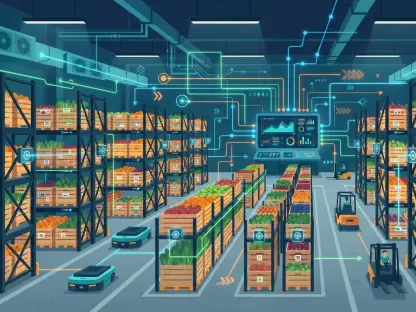
Industry-specific targeting has become increasingly calculated, with the manufacturing and logistics sectors emerging as primary victims in the current threat cycle. Attackers prioritize industries where the intersection of information technology and operational technology creates a high risk of immediate and extremely costly downtime for the organization. Because even minor disruptions to a production line can lead to massive financial losses or safety concerns, these organizations are more likely to face extreme extortion pressure and settle payments to avoid long-term damage. The industrialization of these attacks means that criminals are no longer casting a wide net but are instead performing deep reconnaissance to identify which facilities have the lowest tolerance for outages. This surgical approach ensures a higher return on investment for the gang, as they can leverage the physical reality of the supply chain against the digital vulnerabilities of the corporate network to maximize their profits.
Strategic Evolution: Artificial Intelligence and Future Resilience
Looking ahead to the remainder of this year, the integration of artificial intelligence is expected to further automate vulnerability discovery and the creation of highly convincing phishing campaigns. Many groups are also pivoting toward pure exfiltration models, where the technical hurdles of file encryption are skipped entirely in favor of stealing sensitive data and threatening its public release. This shift bypasses the effectiveness of traditional backups, as the threat is no longer the loss of data access but the exposure of corporate secrets and customer information. Additionally, the blurring lines between criminal gangs and state-sponsored actors mean that ransomware is increasingly being used as a tool for geopolitical leverage or sabotage. These groups utilize the chaos of a ransomware attack to hide their true objectives, whether that involves long-term espionage or the disruption of critical national services. This evolution marks a transition where ransomware is no longer just a crime.
In response to these evolving threats, the strategic focus for organizations shifted from simple prevention to comprehensive cyber resilience as a primary defense. Security leaders operated under the assumption that perimeters were inherently porous and that defenses would eventually be bypassed by a determined adversary. Success was no longer measured by the ability to block every single intrusion, but rather by the capacity to contain a breach, protect critical identities, and maintain business continuity during an active attack. Organizations that thrived were those that implemented zero-trust architectures and rigorous identity-first security measures, ensuring that data remained segmented and protected. By prioritizing the rapid restoration of services and the hardening of the identity fabric over the mere prevention of access, these entities managed to minimize the leverage held by extortionists. Ultimately, the industry recognized that surviving the industrialized era required a fundamental shift toward an assumed-breach mindset.