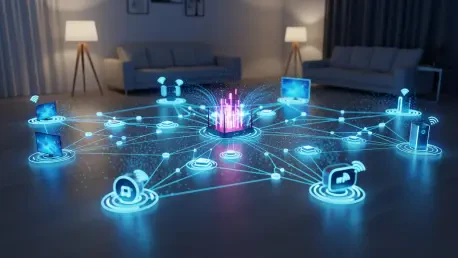

The silent infiltration of household electronics has transitioned from a theoretical vulnerability into a widespread reality that threatens the fundamental integrity of modern residential networks. Modern cyber threats have evolved far beyond simple desktop viruses. They now manifest as complex botnet ecosystems like Tengu that specifically target the diverse landscape of Linux-based Internet of Things hardware and Android TV systems. This malware represents a significant shift. Attackers leverage the massive computational power found in household appliances to build resilient, distributed networks for malicious activities. By focusing on these often-unprotected endpoints, the botnet creates a silent infrastructure capable of launching devastating attacks. It evades traditional security protocols that prioritize enterprise servers over home electronics. As the density of smart devices within local networks continues to grow from 2026 and beyond, the potential for such widespread exploitation becomes a critical concern for both individual privacy and national digital infrastructure stability.
Technical Mechanisms: The Anatomy of the Tengu Intrusion
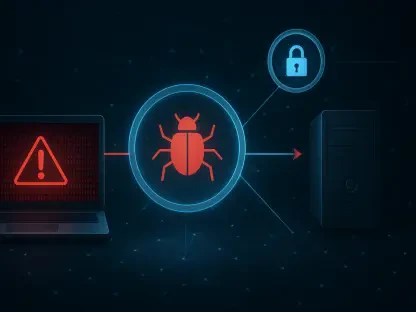
Initial access into target environments typically occurs through the exploitation of weak administrative credentials or unpatched vulnerabilities within the underlying Linux kernels used by various smart hubs. Once a device is compromised, Tengu deploys a multi-stage payload. This payload identifies the specific architecture of the processor, whether it be ARM, MIPS, or x86, to ensure maximum compatibility across different hardware generations. The malware then attempts to escalate privileges. It effectively gains root access to the operating system and disables existing security features or firewalls that might alert the user to its presence. This level of control allows the botnet to persist even after basic reboots. It often modifies system startup scripts to re-initialize its processes automatically. Furthermore, the botnet utilizes advanced obfuscation techniques to hide its traffic among legitimate network signals. This makes it difficult for standard home routers to detect any suspicious outgoing data packets.
Beyond standard IoT hardware, the specific targeting of Android TV platforms introduces a unique layer of risk due to the rich variety of personal data stored on these entertainment systems. These devices often share the same network credentials as mobile phones and laptops. This provides a lucrative gateway for lateral movement throughout a residential or small business environment. Tengu specifically scans for open ports and shared file systems. It uses these to jump from a television to a more data-rich target, such as a network-attached storage unit or a personal computer. The malware also includes specialized modules designed to intercept user inputs or capture screen data during the login process for various streaming services. By embedding itself within the television’s media framework, the botnet ensures a constant connection to the internet that is rarely monitored. This persistence transforms a simple living room appliance into a high-functioning node within a global network of compromised machines.
Addressing the threat posed by the Tengu botnet necessitated a comprehensive overhaul of how manufacturers and consumers approached the security of peripheral network devices. Security experts established that the most effective first line of defense involved the immediate transition to non-default, complex passwords. They also implemented multi-factor authentication for any device with a management interface. It was determined that regular firmware updates remained a vital component of a robust defense strategy. Many vulnerabilities exploited by the botnet had already been addressed in newer software versions. Organizations managed to reduce the attack surface by isolating IoT devices on separate virtual local area networks. This prevented the botnet from moving laterally to more sensitive areas of the digital ecosystem. This network segmentation ensured that even if a television became infected, the malware remained trapped. These historical measures established a foundation for a more resilient IoT landscape.