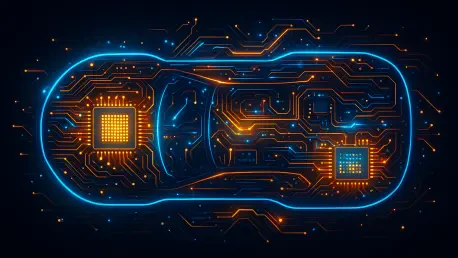

The transition of automotive technology toward Android-based ecosystems has inherited the existing security weaknesses and persistent threats common in the mobile and internet-of-things sectors. As manufacturers increasingly rely on the Android Automotive Operating System to power infotainment and vehicle control interfaces, the attack surface has expanded beyond traditional mobile devices to include the very cars people drive every day. Recent investigations have revealed a sophisticated campaign where threat actors are leveraging vulnerabilities in these embedded systems to conscript vehicles into a massive, distributed botnet. This development marks a shift in cybercrime, moving from data theft to the hijacking of hardware that remains connected to cellular networks almost constantly. This persistent connectivity makes them ideal for maintaining a stable botnet infrastructure capable of launching attacks without the immediate knowledge of the owner. The systems often hide these background processes effectively.
Exploit Vectors and Infection Mechanisms
Cybercriminals took advantage of the desire for customization in modern vehicles, where drivers often seek to install applications not found in official automotive app stores. By disguising malware as helpful utilities, navigation tools, or media players, attackers bypassed initial security layers. Once an unsuspecting user sideloaded an infected package or granted excessive permissions to a seemingly benign app, the malware established a persistent foothold within the vehicle’s subsystem. This initial entry point allowed the attackers to communicate with a command-and-control server, effectively turning the car’s powerful onboard processor into a remote-controlled node. The sophistication of these exploits suggested that hackers were specifically targeting the specialized hardware abstraction layers used by manufacturers to bridge the gap between Android and vehicle functions. This enabled the malware to hide deep within the system, surviving routine reboots and basic diagnostic checks.
Beyond individual app infections, the botnet operators utilized flaws in the communication protocols used between the infotainment unit and other internal electronic control units. While many systems were designed to be isolated, the increasing integration of vehicle functions meant that a compromised Android interface sometimes acted as a gateway to the broader in-vehicle network. This lateral movement within the car’s architecture was particularly concerning as it potentially allowed attackers to intercept sensor data or influence non-critical systems to create distractions. Moreover, the botnet utilized the vehicle’s robust 5G connectivity to scan for other vulnerable vehicles in the vicinity or perform high-bandwidth tasks that would be quickly noticed on a home internet connection. By distributing the load across thousands of vehicles, the attackers performed complex tasks such as brute-forcing credentials while maintaining a very high degree of anonymity for their operations.
Defensive Strategies and Industry Responses
In response to this emerging threat, automotive manufacturers and cybersecurity firms began implementing more rigorous hardware-based security modules and trusted execution environments. These technologies aimed to isolate core driving functions from the Android-based infotainment system, ensuring that even if the latter was compromised, the vehicle remained safe to operate. However, the challenge lay in the long lifecycle of vehicles compared to consumer electronics, where a car sold today might still be on the road for a decade or more without receiving critical hardware upgrades. To address this, some companies introduced advanced behavioral analytics that monitored the data traffic coming from the vehicle’s modem. By identifying anomalous patterns, such as a car sending out massive bursts of encrypted traffic while parked, security teams flagged potential infections and triggered remote sanitization processes. This approach became essential as the volume of car-specific malware grew.
The industry eventually recognized that standardized security protocols had to transcend individual brands to create a unified defense against botnet recruitment. Owners of connected vehicles were encouraged to treat their cars with the same digital caution as their smartphones, avoiding unauthorized software and prioritizing official security patches. Regulatory bodies also weighed the benefits of mandates for transparent reporting of cybersecurity incidents to facilitate better threat intelligence sharing among competitors. As the line between transportation and computing blurred, the security of the underlying software dictated the safety of the physical world. Strengthening these systems was seen as a fundamental requirement for maintaining public trust in the next generation of intelligent transportation. Stakeholders realized that a collaborative, transparent approach was the only way to mitigate these risks. By treating every connected car as a potential target, the industry finally built the foundations of a more secure environment for everyone.