
The security of a professional account is inextricably linked to the integrity of the associated email address and the devices used to access the network. This foundational reality underscores the shift in how professionals present themselves in a landscape where digital footprints often precede physical introductions by months or even years. As global networking becomes increasingly decentralized in 2026, the reliance on platforms like LinkedIn has transformed these digital spaces from simple career archives into sophisticated ecosystems of trust and influence. Today, a professional identity is no longer confined to a printed resume but is instead a living, breathing digital entity that requires constant vigilance and strategic curation. This shift has necessitated a more rigorous approach to how individuals manage their online presence, balancing the need for visibility with the critical imperative of maintaining a secure and authentic profile in an environment rife with sophisticated digital threats. By integrating advanced security protocols with a clear, narrative-driven career story, professionals can effectively navigate the complexities of the modern job market while safeguarding their most valuable asset, which is their professional reputation and digital legacy.
Establishing Credibility Through Authenticity and Narrative
The Foundation: Verification and Authentic Presence
Official verification has become a cornerstone of professional trust, serving as a vital confirmation signal in an environment where physical cues and traditional face-to-face networking are often absent. In 2026, the standard for credibility involves utilizing integrated identity services that link government-issued identification or corporate credentials directly to a profile, providing a layer of institutional validation. However, the consensus among recruitment experts and industry leaders is that verification should never be viewed as a standalone solution for establishing authority. Instead, it serves as a powerful supplement to a well-maintained and transparent presence. While a verification badge can bolster the confidence of recruiters and potential collaborators, the enduring value of a profile is derived from the consistency and accuracy of the information presented by the user over time. Authentic professional identity is built from the ground up through legitimate registration channels and the wholesale rejection of shortcuts, such as third-party services that promise instant popularity or artificial engagement metrics.
The pursuit of an authentic digital presence also requires a steadfast commitment to the integrity of the data shared with the professional community. Professionals who rely on illegitimate methods to inflate their status often find that these shortcuts lead to long-term reputational damage or permanent account restrictions. Legitimate growth on professional platforms is an incremental process that rewards those who prioritize genuine connections and verifiable achievements over superficial signals of success. In this climate, the rejection of third-party “boost” services is not merely a matter of following terms of service but is a strategic decision to protect one’s career longevity. As authentication technologies continue to evolve, the gap between verified, trustworthy profiles and those using manipulative tactics will only widen. Consequently, the most successful professionals are those who treat their digital identity with the same level of care and honesty they would bring to an in-person boardroom meeting or a high-stakes client negotiation.
Strategic Design: Architecting the Career Narrative
A credible profile in the current professional era requires a carefully structured representation of an individual’s career trajectory that moves far beyond a simple chronological listing of past job titles and dates. The professional headline, which often serves as the primary point of contact for recruiters and search algorithms, must provide immediate and specific context regarding an individual’s specialization and current industry impact. Rather than utilizing generic descriptors, effective headlines in 2026 emphasize a unique value proposition, making it clear how the professional solves specific problems within their field. Similarly, the “About” section should function as a high-level executive summary that synthesizes various career milestones into a cohesive and compelling story. This narrative approach allows a professional to explain the “why” behind their career moves, offering a nuanced exploration of their professional interests and long-term goals that disconnected data points in a standard resume simply cannot convey to a reader.
The experience and skills sections of a profile provide the empirical evidence necessary to support the claims made in the headline and summary. Modern professionals are moving away from exhaustive lists of routine tasks and are instead focusing on meaningful accomplishments and the tangible value they have provided to previous organizations. This focus on outcomes over activities allows users to demonstrate growth and the ability to adapt to the changing demands of their industry. Furthermore, because the skills required for many roles are shifting rapidly, it is essential to periodically review and update the expertise highlighted on a profile. Deprioritizing outdated proficiencies in favor of contemporary capabilities ensures that the profile remains a relevant tool for discovery and networking. By curating these sections with a forward-looking perspective, professionals can signal their readiness for the next stage of their career while maintaining a solid foundation of past performance that justifies their current standing in the market.
Adapting to Growth and Ensuring Digital Safety
Career Evolution: Managing a Dynamic Identity
Professional trajectories are rarely static, and as individuals transition through different stages of their careers, their digital profiles must evolve to reflect these changes accurately. A stagnant profile quickly becomes an outdated artifact that fails to represent the current capabilities and ambitions of the professional. Whether an individual is moving from a junior role into leadership or shifting from a corporate environment into independent consulting, the synthesis of new skills and fresh achievements is necessary to keep the account relevant for networking and discovery. For seasoned professionals, this evolution often involves a strategic selection process where they highlight high-level impact and strategic direction while gradually phasing out the tactical details of early-career roles that no longer align with their current objectives. This ensures that the most relevant information is prominent, preventing the profile from becoming cluttered with extraneous data that might dilute the professional’s core message.
This ongoing adaptation also extends to the way professionals interact with their broader industry networks as their influence grows. A profile that was designed for a job seeker in 2026 might look very different from one belonging to an established executive who is focused on thought leadership and mentorship. Recognizing when to pivot the tone and content of a profile is a key skill in digital reputation management. Maintaining a dynamic identity means that the user is not just reacting to career changes but is proactively shaping how the market perceives them. By ensuring that every update, from a new certification to a published article, serves the current career narrative, professionals can maintain a powerful and consistent presence. This proactive management prevents the “identity lag” that occurs when a professional’s online persona fails to keep pace with their actual real-world expertise and responsibilities, which is essential for maintaining credibility among high-level peers.
Security Protocols: The Infrastructure of Digital Professionalism
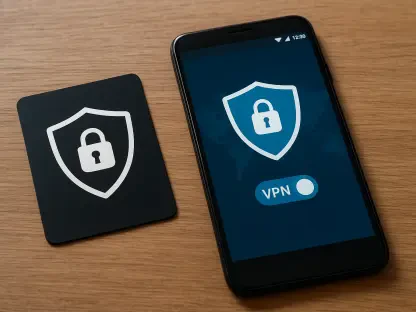
As a professional profile increases in value and visibility, it simultaneously becomes a more attractive target for malicious actors seeking to exploit established reputations for fraudulent purposes. Protecting this digital asset is no longer just a technical necessity but is a fundamental component of professional reputation management in 2026. Robust credential hygiene is the first line of defense, involving the use of complex, unique passwords and the mandatory implementation of multi-factor authentication, preferably through biometric passkeys or hardware security tokens. These barriers are essential for preventing unauthorized access that could lead to identity theft or the dissemination of malicious content under the professional’s name. In an era where account takeovers can happen in seconds, relying on basic security measures is insufficient for anyone who considers their professional network a critical part of their career infrastructure.
Beyond technical safeguards, professionals must cultivate a high degree of skepticism toward sophisticated social engineering and phishing attempts that often leverage the professional nature of the platform. Malicious messages may appear as legitimate job offers, networking requests, or urgent security alerts designed to trick users into revealing sensitive information or authentication codes. The recommended practice in 2026 is to bypass any links provided in unsolicited messages and instead navigate directly to the official platform or website to verify the legitimacy of the communication. This critical eye toward incoming requests is vital for maintaining the security of the account and the safety of the entire professional network. A single compromised account can be used to target hundreds of connections, making individual security a collective responsibility within the professional community. Staying informed about the latest cyber threats and maintaining a cautious approach to digital interactions are non-negotiable requirements for any professional navigating the current landscape.
Long-Term Integrity and Ethical Foundations
Digital Asset Continuity: Maintenance and Responsibility
The long-term success and stability of a professional profile depend on consistent administrative maintenance and a clear understanding of the risks associated with delegating account control. Ensuring that an account remains under the direct oversight of the individual is paramount, as participating in unofficial services that promise “verified” status or involve transferring ownership can lead to permanent suspension and the loss of years of networking history. Regular audits of account activity, including monitoring login locations and reviewing which third-party applications have been granted permissions, are essential practices for 2026. These routine checks help identify potential vulnerabilities before they can be exploited, allowing professionals to maintain continuous control over their digital narrative. Furthermore, keeping contact information such as recovery emails and phone numbers up to date is a simple but critical task that prevents accidental lockouts and ensures the account can be recovered quickly if a security incident occurs.
Effective maintenance also involves the periodic review of privacy settings to ensure that the user’s digital footprint remains aligned with their current comfort level and professional needs. The balance between being discoverable to recruiters and maintaining personal privacy is a delicate one that often shifts based on career circumstances. For example, an active job seeker may choose to maximize visibility, while an executive handling sensitive corporate information might prefer more restricted access to their full profile. By regularly adjusting these controls, professionals can dictate how their information is consumed by different tiers of connections and the general public. This level of intentionality in managing the administrative aspects of a profile ensures that the digital asset remains a secure and effective tool for career growth rather than a liability. Treating a professional account with the same diligence as a financial asset or a legal document is the hallmark of modern digital professionalism.
The Ethical Core: Trust in the Age of Artificial Intelligence
Digital trust is ultimately built on a foundation of ethical behavior and an unwavering commitment to authenticity in all professional representations. As artificial intelligence becomes more deeply integrated into recruitment and professional search processes in 2026, the value of structured and accurate data will only continue to increase. AI-driven systems rely on the integrity of the information provided to make accurate matches between talent and opportunity; therefore, professionals who maintain honest and clear profiles will be significantly better positioned to benefit from these technological shifts. Conversely, the use of artificial signals, such as falsifying credentials or using AI to generate non-existent work histories, is not only a significant security risk but also a career-ending move. In an environment where automated verification tools can quickly identify inconsistencies, the reputational cost of dishonesty is higher than ever before.
In summary, the evolution of digital professional identity has reached a point where the consistency between an online persona and the actual person is the most critical metric of success. The findings from the current professional landscape suggested that while technical verification provided a useful seal of approval, the true weight of a professional identity came from a long-term commitment to accuracy and ethical engagement. Professionals who embraced a holistic approach—combining narrative storytelling, rigorous security practices, and a critical eye toward emerging threats—navigated the digital era with the highest levels of confidence and stability. The synthesis of these elements ensured that a LinkedIn presence was not merely a passive resume but a secure and dynamic platform for lifelong career development. Maintaining this balance became a necessity for those who sought to leverage the power of global networking while protecting their professional integrity in an increasingly complex digital world.