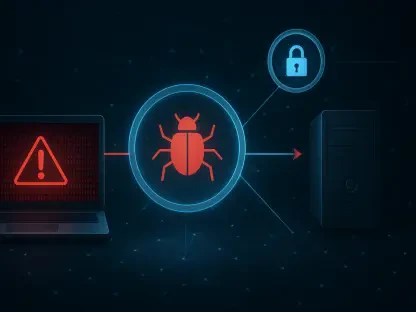

The rapid evolution of corporate networking has created a complex landscape where even the most trusted security perimeter solutions can become the very entry points for sophisticated cyberattacks. Recent disclosures from Check Point have sent shockwaves through the cybersecurity community, as a critical vulnerability in its Virtual Private Network infrastructure became a primary target for aggressive ransomware operations. This situation underscores a recurring theme in digital defense: the persistence of legacy protocols often leaves a back door open for adversaries who are ready to exploit any oversight in authentication logic. By bypassing standard security checks, attackers have gained the ability to infiltrate internal systems with alarming ease, bypassing the firewalls that organizations rely on for protection. The emergence of these flaws highlights the constant arms race between network vendors and criminal groups like Qilin, who demonstrate an uncanny ability to identify and weaponize weaknesses in fundamental communication standards before traditional patches are widely deployed.
Breaking Down the Security Flaws
Primary Exploits and Authentication Logic
The core of the current crisis centers on CVE-2026-50751, a high-severity vulnerability that stems from a logic error within the validation process of the Internet Key Exchange version 1 protocol. This specific flaw allows an unauthorized external actor to establish a fully functional VPN session without the necessity of providing a valid user password, effectively rendering the first line of defense obsolete. While this exploit grants a foothold into the network, it does not immediately provide full administrative control, meaning the attackers must still navigate through internal systems to locate sensitive data assets. This architectural weakness emphasizes that perimeter security alone is no longer sufficient, as the ability to bypass authentication means that every internal server must be treated as if it is exposed to the public internet. Organizations using older gateway configurations are particularly at risk, as the exploitation process for this logic error is relatively straightforward for actors with moderate technical skills to execute.
Proactive Discovery via AI Systems
During the investigation of the primary exploit, the utilization of the AI-driven BLAST platform allowed for the proactive discovery of a secondary vulnerability designated as CVE-2026-50752. This discovery highlights the shift toward agentic AI in cybersecurity, where automated systems can scan millions of lines of complex code to identify latent Man-in-the-Middle risks that human researchers might miss. This secondary flaw resides in the site-to-site communication pathways, where an attacker could potentially intercept or manipulate the data flowing between two secure corporate offices. By identifying this risk before it could be weaponized in the wild, researchers demonstrated that preemptive code analysis is a vital component of modern software development life cycles. The ability of the BLAST platform to understand the nuances of cryptographic handshakes and identify where validation logic might fail provides a significant advantage in closing security gaps. This proactive approach ensures that even as new features are added, the underlying posture remains robust.
Examining Adversary Tactics and Infrastructure
Ransomware Affiliates and Geographic Targeting
Evidence gathered from the front lines of these breaches indicates that the primary actors behind these campaigns are affiliates associated with the Qilin ransomware organization. These financially motivated groups operate with a high degree of technical discipline, utilizing a distributed network of virtual private servers to host their malicious infrastructure and maintain persistent access to compromised environments. To avoid triggering automated security alerts, these attackers often lease IP addresses that are geographically located within the same country as their target organization. This strategic choice allows them to blend in with legitimate remote employee traffic, making it significantly harder for security operations centers to distinguish between a valid login and a malicious intrusion. By masking their geographic origin, the Qilin affiliates can bypass simple location-based blocking rules that many companies use as a primary filter. This tactical refinement shows a deep understanding of corporate defensive strategies and a willingness to invest resources in maintaining a low-profile presence.
Technical Execution and Payloads
The scope of this adversarial activity extends beyond a single product line, as the infrastructure used by these ransomware groups suggests a broader offensive against multiple prominent VPN vendors. Once the initial access is secured through a vulnerability like CVE-2026-50751, the threat actors quickly move to deploy specialized payloads, often consisting of Linux-based executable files tailored for the specific architecture of the target network. These files serve as the foundation for the encryption phase of the ransomware attack, allowing the group to lock down critical data and demand payment for its release. Furthermore, the use of the decentralized Tox protocol for internal coordination between attackers provides them with an encrypted and difficult-to-track communication channel. This reliance on peer-to-peer messaging makes it nearly impossible for traditional network monitoring tools to intercept or decrypt the instructions being passed between the various members of the hacking team. This combination of stealthy communication and cross-platform payloads illustrates the professional nature of modern ransomware.
Implementing Defensive Measures
Immediate Remediation and Protocol Updates
Addressing these critical security vulnerabilities requires an immediate and systematic response from IT departments, starting with the application of specific hotfixes released by the vendor. Organizations must go beyond simple patching and conduct comprehensive audits of their VPN connection logs, specifically looking for any unusual patterns or unauthorized access attempts that may have occurred since early May 2026. This retrospective analysis is crucial because attackers may have already established a presence within the network before the vulnerabilities were publicly disclosed. Identifying these early indicators of compromise, such as logins during unusual hours or from unfamiliar device types, can help prevent a full-scale ransomware deployment. Furthermore, the reliance on the aging IKEv1 protocol is a systemic risk that necessitates a transition to more modern standards like IKEv2. The newer protocol version offers enhanced security features and more robust authentication mechanisms, making it far less susceptible to the types of logic errors and bypass techniques that have plagued its predecessor in recent months.
Long-term Strategic Resilience
The long-term solution to these persistent threats involved a structural shift in how remote access was managed and secured within the enterprise environment. Moving away from a single point of validation became essential, as the exploitation of VPN flaws proved that a single protocol failure could lead to a total network compromise. Security professionals implemented multi-factor authentication across all entry points, while also adopting zero-trust principles that required continuous verification of every user and device. By segmenting the network and limiting the permissions granted to VPN users, organizations successfully contained the damage even if an attacker managed to bypass the initial gateway. The transition to IKEv2 served as a cornerstone for this modernization effort, providing the cryptographic strength needed to withstand modern decryption attempts. Additionally, the integration of real-time monitoring tools that detected the use of protocols like Tox helped in identifying the presence of sophisticated actors. These combined efforts ensured that the infrastructure remained resilient against both known and emerging threats.