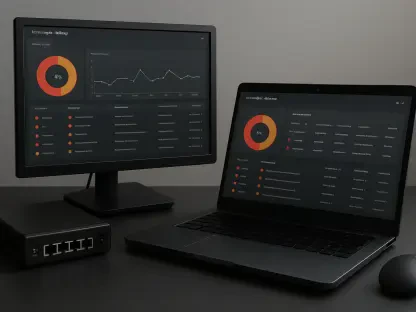

Advanced behavioral analysis has replaced traditional signature-based detection to identify zero-day threats that have never been seen by security researchers. This pivot marks a fundamental change in how the industry approaches digital safety, moving away from reactive measures toward proactive, intelligent systems that understand the intent of code rather than just its name. In the current landscape of 2026, the volume of unique malware samples generated daily has reached such heights that no static database could ever hope to keep pace. Consequently, the reliance on artificial intelligence and machine learning models within antivirus software has transitioned from a high-end luxury to an absolute necessity for even the most basic free tools available to the general public. While threats have grown more sophisticated, the accessibility of these advanced defensive technologies has simultaneously widened, creating an environment where a zero-dollar investment can still yield a fortress-like defense for personal data. This democratization of security means that the average consumer is no longer a sitting duck for cybercriminals, provided they select a tool that utilizes these modern heuristic methods correctly. The standard for excellence in this sector is now defined by how seamlessly these complex background processes operate without slowing down a user’s daily workflow or requiring constant manual intervention from a non-technical audience.
The Evolution: From a Luxury to a Fundamental Basic Right in Modern Society
The digital security landscape has traveled a long road since the early days of personal computing, when protecting a single machine was a significant financial burden. In the late 1980s, antivirus software was a niche product, often costing users anywhere from twenty to two hundred dollars per year. This high barrier to entry meant that only large corporations or affluent individuals could afford to keep their systems safe from the relatively simple viruses of that era. As the internet expanded, the threat environment exploded, forcing a shift in how software was delivered and priced. By the current year of 2026, the industry has largely settled on a model where basic protection is viewed as a fundamental digital right rather than a premium service. This shift was driven by the realization that an unprotected computer is not just a risk to its owner but a potential node in a global botnet that can attack others.
The rise of the “freemium” business model has been the primary engine behind this technological democratization. Under this system, security companies provide their core malware detection engines to the public for free while reserving advanced features like identity theft insurance or encrypted cloud storage for paying subscribers. This strategy has proven highly effective because it allows developers to gather threat telemetry from a massive user base, which in turn improves protection for everyone. In 2026, the consensus among cybersecurity experts is that the gap between free and paid software has narrowed significantly. While a paid suite offers more bells and whistles, the fundamental ability to stop a malicious file from executing is now available to anyone with an internet connection. This ensures that even those on a tight budget can maintain a high level of digital hygiene without compromising their financial stability.
Core Distinctions: Free Versus Paid Software
A major point of ongoing discussion in the security community centers on whether free tools can truly compete with their paid counterparts in a professional setting. One of the primary differences lies in the legal and licensing structures that govern these products. Most free antivirus versions are strictly intended for noncommercial, personal use, meaning they are not legally cleared for use in a corporate environment. For business owners or employees working in sensitive fields, the transition to a paid tier is often a legal requirement rather than a choice. These commercial versions also come with centralized management consoles, allowing an IT administrator to monitor the security status of dozens or hundreds of machines from a single interface. This level of oversight is essential for maintaining a secure perimeter in an era where remote work and decentralized offices have become the standard for modern productivity.
Beyond legalities, feature gaps continue to differentiate between free and premium tiers, even as the core detection engines remain the same. Paid security suites typically add multiple layers of redundant defense that go beyond simple malware scanning. These may include sophisticated outgoing firewalls that prevent data exfiltration, advanced parental controls for family safety, and identity protection services that monitor the dark web for leaked credentials. Furthermore, technical support remains a significant trade-off for users opting for zero-cost solutions. Those using free software generally find themselves relegated to community forums or online knowledge bases when a problem arises. In contrast, paying customers usually enjoy priority access to human experts via phone or live chat. This direct line to professional assistance can be the difference between a quick recovery and a catastrophic data loss event during a live ransomware emergency.
Lab Evaluations: Measuring Security Performance
To provide an objective ranking of the best tools available in 2026, security researchers rely heavily on data generated by major global independent laboratories. Organizations such as the AV-Test Institute, SE Labs, and AV-Comparatives provide the empirical backbone for all software recommendations. These labs subject antivirus products to thousands of individual tests, measuring their ability to detect malware, avoid false positives, and maintain system performance. A product’s frequent participation in these rigorous evaluations is a strong indicator of the developer’s confidence in its technology. It is a common misconception that free tools are tested separately from paid ones; in reality, because the underlying detection engine is usually identical, the high scores earned by a “Pro” or “Total Security” version apply directly to the free edition as well.
These laboratory environments are designed to mimic real-world conditions as closely as possible; for instance, real-world protection tests involve opening malicious email attachments and visiting infected websites to see if the software can intercept the threat before it takes hold. Usability scores are equally important, as they measure how much a program slows down common tasks like launching applications or downloading files. In 2026, the most successful software is that which maintains a perfect protection record without being noticed by the user. If a security program consumes too many system resources, users are likely to disable it, leaving them vulnerable to attack. Therefore, the rankings published by these independent labs are essential for helping consumers distinguish between a tool that is merely popular and one that is genuinely effective against the latest threats.
Manual Testing: Validating Real-World Defense Mechanisms Through Comprehensive Security Audits and Strategic Penetration Testing Protocols
While independent lab results are invaluable, hands-on testing remains a critical part of the evaluation process for identifying the best protection. Security specialists conduct manual trials by exposing software to a curated collection of contemporary malware samples that include a wide variety of file types. These tests involve tracking how the software reacts when a malicious executable is downloaded, when a script attempts to run in the background, or when a compressed archive is extracted. The software is scored not just on whether it stops the threat, but on how clean the system remains afterward. A high-quality tool should be able to identify a threat instantly, block its execution, and then automatically remove any residual files or registry changes that were attempted during the initial attack phase.
Web protection is another area where manual testing reveals significant differences between competing products. In 2026, preventing an infection from occurring is significantly more efficient than attempting to clean a system after the fact. Testers attempt to navigate to hundreds of brand-new, high-risk URLs to determine if the antivirus can block the connection before the browser even loads the page. This proactive defense is particularly important for combating phishing attacks, where fraudulent websites are designed to mimic legitimate banking portals or social media login screens. By exposing the tools to these social engineering tactics, researchers can determine which software provides the most effective safety net for users who may not be able to spot a fake site on their own. This holistic approach to testing ensures that the recommended products are capable of defending against both automated malware and human-centric deception.
Avast One: A Holistic Security Solution
Avast One Free has established itself as a premier choice for 2026 by shifting the focus from a simple antivirus scanner to a complete security and privacy suite. This program represents a modern approach to digital safety, integrating various tools that were previously sold as separate products. It consistently earns top-tier marks from independent laboratories, often achieving a perfect or near-perfect score in both malware detection and performance impact. This reliability makes it a versatile option for everyone from casual web surfers to power users who require a more robust defensive posture. The software’s ability to operate silently in the background while providing high-level protection ensures that the user experience remains smooth and uninterrupted by unnecessary alerts or system lag.
One of the standout features of this suite is its broad cross-platform compatibility, offering tailored protection for Windows, macOS, Android, and iOS devices. In addition to its core malware engine, the free version includes a limited virtual private network to help secure public Wi-Fi connections and a functional firewall that monitors incoming and outgoing traffic. While some of the more specialized system optimization and tuning tools are reserved for the paid version, the foundational security components are fully accessible to all users. This includes the behavioral analysis engine that protects against zero-day threats and a dedicated ransomware shield. By offering such a comprehensive set of tools at no cost, the developer has set a high standard for what users should expect from a modern security solution, proving that effective protection does not need to be fragmented or expensive.
AVG AntiVirus: Dedicated Ransomware Protection
As a product that shares its underlying technology with Avast, AVG Antivirus Free offers a similar level of elite protection but delivers it through a different user interface and feature set. In 2026, it remains a favorite among users who prioritize ease of use and specific defensive modules. One of its most praised components is the specialized ransomware protection, which creates a secure environment for sensitive folders containing photos, documents, and other irreplaceable files. This module monitors these directories for any unauthorized attempts to modify or encrypt data, acting as a critical last line of defense if a piece of malware manages to bypass the initial scanners. This targeted approach to security provides peace of mind for users who are particularly concerned about the growing threat of data hijacking.
Beyond its anti-ransomware capabilities, the software includes a suite of tools designed to improve the overall health of the system. These features include “Hack Alerts,” which notifies users if their email addresses have been compromised in known data breaches, and a performance scanner that identifies junk files and registry errors. While the software follows the common industry practice of identifying these issues and then prompting for a paid upgrade to fix them, the core security remains uncompromised. Aggregate lab ratings for this software consistently hover near the top of the charts, reflecting a robust detection rate that rivals many expensive paid suites. For those who want a powerful, reliable security tool that focuses on the most critical threats of the modern era, this product offers a compelling balance of performance and accessibility.
Bitdefender: The Power of Silent Security
Bitdefender Antivirus Free is widely recognized for its minimalist philosophy, catering to users who want high-level protection without any of the typical software clutter. It utilizes the same world-class detection engine found in the company’s most expensive corporate security suites, but it presents it in a streamlined package designed for “set-it-and-forget-it” operation. The interface is clean and unobtrusive, avoiding the complex menus and frequent notifications that can often plague free software. This makes it an ideal choice for individuals who want to stay safe without having to manage their security settings on a daily basis. The program is specifically optimized to have a very small system footprint, ensuring that it does not impact the performance of games or resource-intensive creative applications.
While the feature list is shorter than those of its competitors, the tools that are included are of the highest quality. It features an effective ransomware defense layer and a basic VPN for occasional secure browsing. It does not include many “bonus” utilities like hardened browsers or Wi-Fi security analyzers, but this is a deliberate design choice rather than a lack of capability. The focus here is entirely on core malware defense and web safety. Occasionally, manual test results for this tool show slight variations compared to laboratory scores, but its overall reputation for reliability remains unshakable. For users who value a quiet computer and a distraction-free environment, this software provides a robust shield that works tirelessly in the background, proving that effective digital security can be both powerful and invisible.
Avira Free Security: Prioritizing User Privacy
In the current landscape, Avira Free Security has carved out a niche by placing a heavy emphasis on privacy and the prevention of web-based tracking. It achieved a perfect score in recent phishing protection tests, demonstrating an exceptional ability to identify and block fraudulent websites before they can steal user data. This is particularly important as cybercriminals increasingly use social engineering rather than technical exploits to gain access to accounts. The software also includes a vulnerability scanner that checks for outdated programs on the system. Because many high-profile breaches occur through unpatched bugs in common apps like Zoom or Chrome, this feature provides a vital layer of proactive defense by helping users identify where their system is most at risk.
The suite is packed with additional utilities, including a basic password manager, a shopping assistant designed to find safe deals, and a browser extension that blocks intrusive ads and trackers. While the user interface can sometimes feel a bit crowded due to features that require a premium upgrade, the functional value of the free tools is undeniable. Its ability to clean up privacy traces and manage digital credentials makes it a strong contender for anyone who spends a significant amount of time navigating the web. By combining traditional malware protection with modern privacy enhancements, the developer has created a versatile tool that addresses the diverse needs of users in 2026. It remains a top choice for those who believe that staying safe online involves more than just blocking viruses.
Microsoft Defender: The Baseline of Protection
Microsoft Defender Antivirus serves as the default security solution for billions of users worldwide, providing a solid baseline of protection that is deeply integrated into the Windows operating system. Its primary advantage is that it requires no installation, configuration, or subscription, making it the most accessible antivirus on the planet. It is designed to work seamlessly with other Windows security features and automatically activates if no third-party software is present. This ensures that no modern Windows machine is left entirely undefended against the constant barrage of digital threats. For the average user who practices extremely safe browsing habits and only visits reputable websites, this built-in protection is often considered a sufficient starting point.
However, when compared to the top third-party alternatives, Windows Defender often reveals several limitations that may concern more active users. Laboratory tests frequently show that it struggles more with phishing detection and malicious URL blocking than specialized tools from companies like Avast or Bitdefender. Furthermore, its system scans are known to be significantly slower, which can impact computer performance during intensive tasks. While its overall protection scores are generally high, they rarely reach the “excellent” or “perfect” status of industry leaders. For those who want the highest possible level of security and the most efficient performance, the built-in option is often viewed as “the floor” rather than “the ceiling.” It remains a reliable fallback, but most experts suggest that augmenting it with a high-quality free third-party tool is a wise decision for anyone seeking a comprehensive defense.
Comprehensive and Secure Computing Strategies for Addressing the Diverse Security Challenges within the Apple Ecosystem
By 2026, the long-standing myth that macOS is inherently immune to viruses has been thoroughly debunked by a series of high-profile attacks targeting Apple users. As the popularity of Macs has continued to rise, so has the interest of cybercriminals in developing specialized malware for the platform. This has led to a surge in the availability of high-quality, free security tools specifically designed for the Apple ecosystem. Avast One Free for Mac is a standout in this category, offering a one hundred percent detection rate for phishing attempts and the unique ability to identify Windows-based malware. This latter feature is particularly useful in mixed-device households, as it prevents a Mac from accidentally acting as a carrier for viruses that could infect other PCs on the same local network.
Other developers have also stepped up to provide robust options for Mac owners, such as AVG Antivirus for Mac, which offers a clean and simple interface that focuses on core tasks like real-time scanning and web protection without the bloat of unnecessary features. Similarly, Avira provides a highly effective “Browser Safety” extension that integrates with Safari and Chrome to block malicious sites and intrusive advertising. These tools are designed to complement the native security features built into macOS, such as Gatekeeper and XProtect, by providing a more aggressive layer of defense against web-borne threats. For the modern Mac user, these free tools offer an essential safety net, ensuring that their creative and professional work remains protected from the evolving tactics of digital adversaries.
Heuristics: The Power of Behavioral Analysis
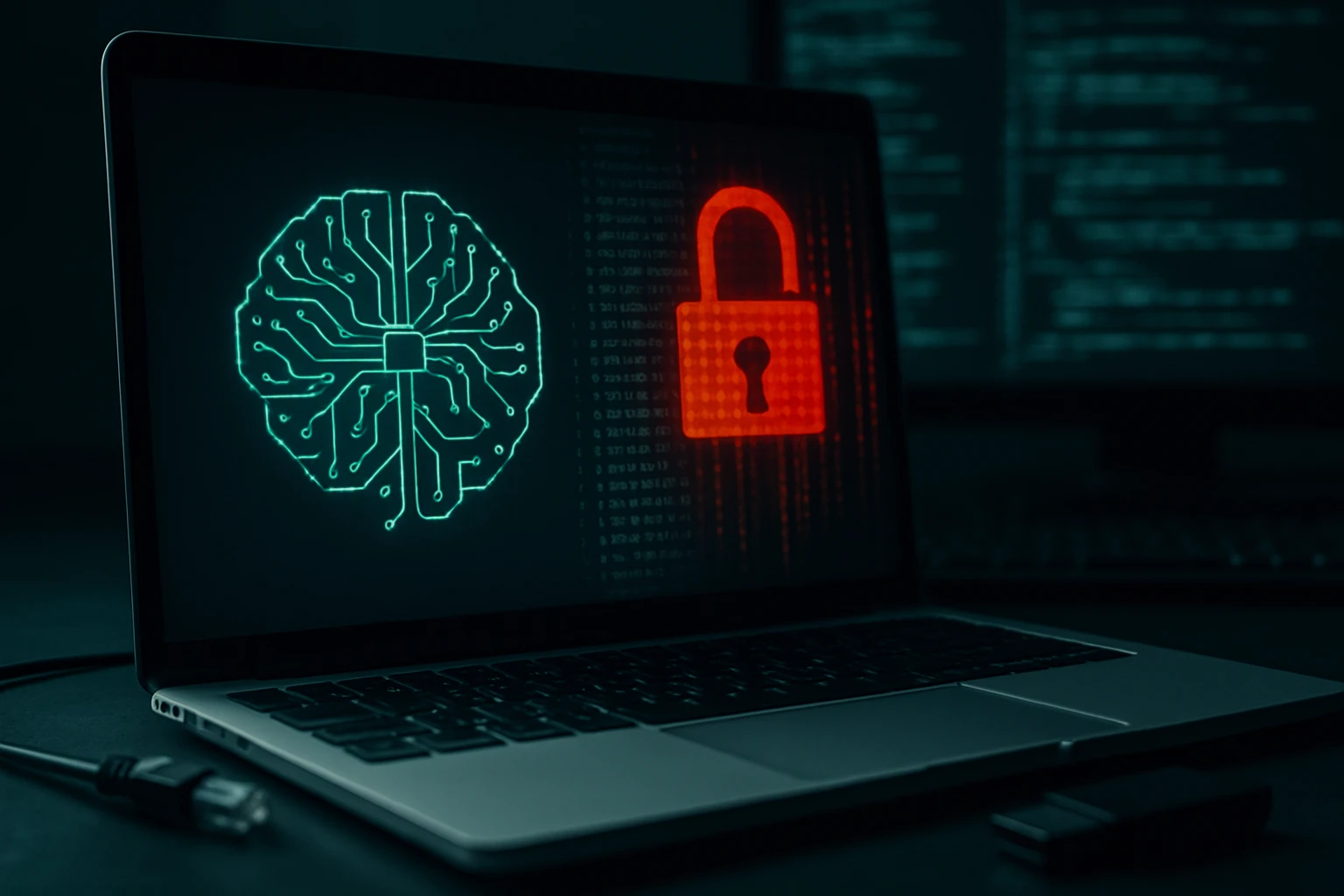
The most significant technological advancement in the 2026 security landscape is the near-universal adoption of behavioral analysis. In the past, antivirus software worked like a digital “wanted poster” system, identifying a virus only if it already had a known signature in its database. This left a massive window of vulnerability for new, or “zero-day,” threats. Modern software has solved this problem by monitoring the actions of every program on the computer in real time. If a previously unknown application suddenly starts trying to encrypt a large number of files, modify the system boot sector, or connect to a suspicious remote server, the antivirus can intervene and block the process immediately. This focus on “what a program does” rather than “what it is” has revolutionized the industry’s ability to stop even the most sophisticated attacks.
This shift to heuristic detection is powered by massive cloud-based artificial intelligence networks, allowing an antivirus program to upload a metadata profile of any suspicious file it cannot identify locally to the developer’s servers for instant analysis. Within milliseconds, the AI can compare the file’s behavior against billions of other known samples and return a verdict. This global “neighborhood watch” system ensures that once a new threat is detected anywhere in the world, every other user of that software is protected against it almost instantly. This level of coordination was unimaginable in the early days of computing but has now become the standard requirement for any tool claiming to offer top-tier protection. For the user, this means that the software is constantly learning and evolving to stay one step ahead of cybercriminals.
Identity: Integrated Privacy and VPN Tools
As we move through 2026, the definition of digital security has expanded to include the protection of user identity and online privacy. Modern free antivirus software is no longer just about stopping viruses; it is about creating a secure environment for all online activities. To this end, many top-tier free tools now include integrated virtual private networks (VPNs). While these free versions are typically capped at a few hundred megabytes of data per day, they are perfect for securing sensitive transactions like online banking or checking email while on a public Wi-Fi network at a cafe or airport. By encrypting the data stream between the device and the internet, these tools prevent “man-in-the-middle” attacks where hackers attempt to intercept passwords or credit card numbers.
In addition to VPNs, basic password managers and privacy scanners have become standard features in the free security landscape. These tools help users move away from the dangerous habit of reusing simple passwords across multiple sites, which is one of the leading causes of account takeovers. Privacy scanners can audit a user’s social media settings or browser configurations to identify potential data leaks or intrusive tracking cookies. This evolution from “antivirus” to “identity security” reflects the reality that modern threats are more likely to target a user’s personal information and financial accounts than their actual hardware. By providing these tools for free, security companies are helping to raise the overall level of digital literacy and safety for the entire population, ensuring that privacy is not a luxury reserved only for those who can afford it.
Defense: Mitigating the Global Ransomware Crisis
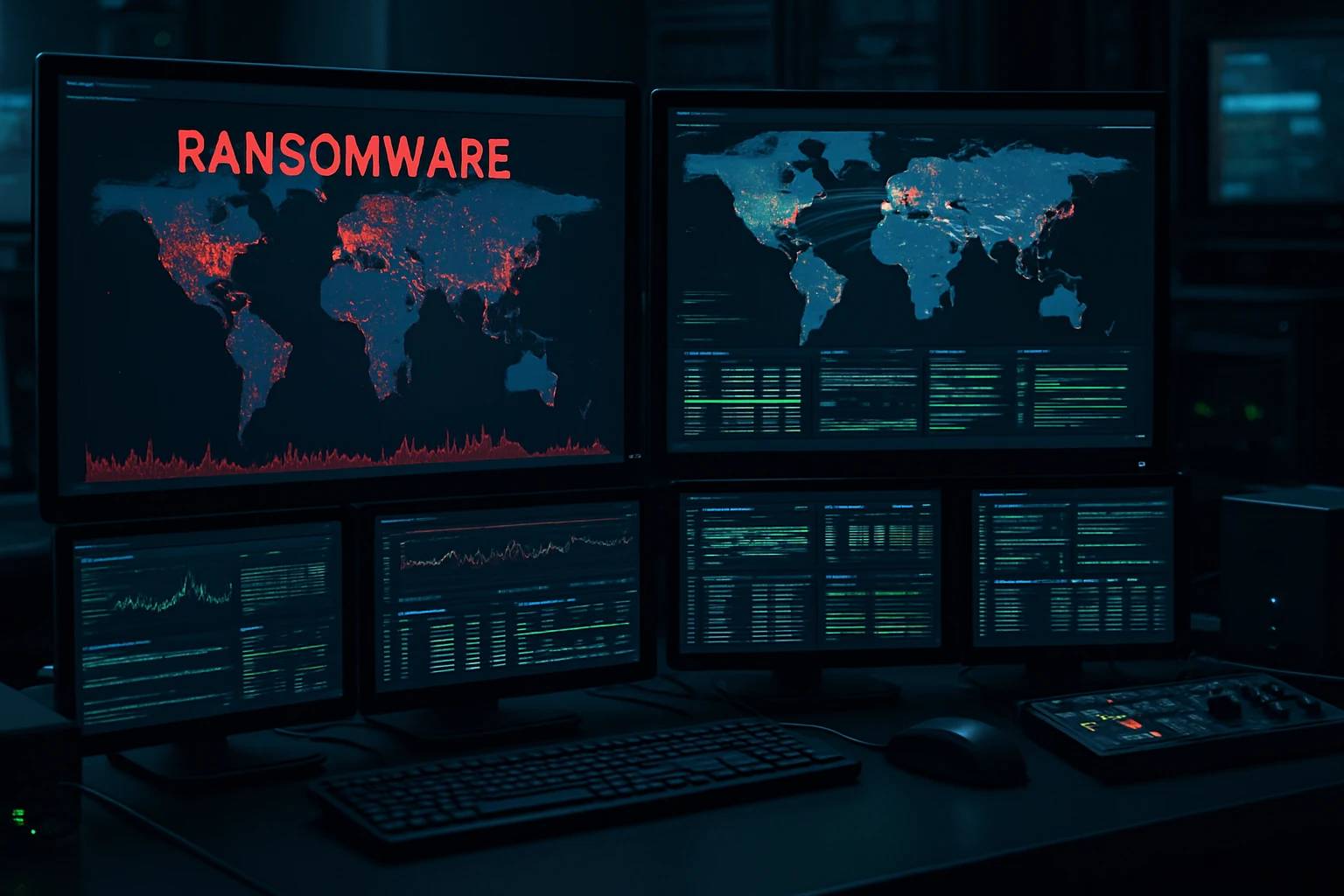
Ransomware continues to be one of the most destructive and pervasive threats in the digital world, capable of wiping out years of work or personal memories in a matter of seconds. In response, the security industry in 2026 has made dedicated ransomware protection a mandatory feature for any reputable antivirus tool. This technology works by creating a “protected zone” for the user’s most important files. Even if a piece of malware manages to bypass initial antivirus scanners and begins executing on the system, the ransomware module will block it from making any unauthorized changes to the files within those protected folders. This multi-layered approach ensures that the most valuable data remains safe even in a worst-case scenario.
The effectiveness of these ransomware shields is a primary metric used to differentiate the top-performing software. The best tools are those that can distinguish between a legitimate program, such as a photo editor making changes to a file, and a malicious process attempting to encrypt it. This requires a high degree of precision to avoid “false positives,” which can be frustrating for the user. By 2026, the AI models driving these shields will have become remarkably accurate, providing a transparent layer of security that rarely interferes with normal computer use. Experts agree that no system is complete without this specific type of defense. For users, the presence of a dedicated ransomware module is often the deciding factor when choosing between various free options, as it provides a tangible safety net against the most feared type of modern cyberattack.
Optimization: Matching Software to User Profiles
Choosing the best antivirus in 2026 is not about finding a single “perfect” program, but rather about selecting the one that best aligns with an individual’s specific technical needs and computer habits. For the “power user” who wants the maximum number of features and the most detailed control over their security environment, Avast One Free remains the clear frontrunner. Its extensive suite of tools and consistently high lab scores provide a level of depth that is hard to find in other zero-cost products. On the other hand, the “minimalist” user who wants their security to be completely invisible should look toward Bitdefender. Its silent operation and low resource consumption make it ideal for those who want to set it up once and never think about it again.
For those whose primary concern is online privacy and web security, Avira Free Security offers the most robust set of tools for blocking trackers and managing digital credentials. Meanwhile, the “passive user” who only uses their computer for basic tasks and follows strict safety protocols might find that Microsoft Defender provides all the protection they need. However, it is important to remember that the threat landscape is constantly shifting, and what is sufficient today might not be tomorrow. By understanding the unique strengths of each product, users can make an informed decision that provides the best possible balance of utility and simplicity. Each of these top-tier tools offers a unique path to digital safety, ensuring that there is a high-quality option available for every type of user in the modern age.
Marketing: Navigating the Dynamics of Freemium
A common and often misunderstood aspect of modern free security software is the use of “freemium” marketing tactics, which can sometimes be perceived as intrusive. Many products include performance scanners that flag minor system issues, such as temporary files or broken registry shortcuts, as “critical problems.” In reality, these are often harmless side effects of normal computer use, and the “fix” button usually leads to a prompt to purchase the premium version of the software. Users should understand that these performance flags are primarily marketing tools designed to generate revenue for the developer. They do not reflect the actual security status of the machine, and ignoring these prompts does not make the computer any more vulnerable to viruses or malware.
The core security components of the software, such as the real-time malware scanner and the ransomware shield, are fully functional regardless of whether a user decides to pay for these performance “fixes.” This is the fundamental trade-off of the modern free software era: users receive world-class security at no cost, but in exchange, they must occasionally navigate advertisements for the company’s paid services. Being aware of these tactics allows users to benefit from high-level protection without feeling pressured into unnecessary spending. The most important thing is to ensure that the core antivirus features are active and updated. As long as the primary defensive shields are green, the user can be confident that their system is protected, even if the “performance optimizer” suggests otherwise.
Proactivity: The Role of Vulnerability Scanning
One of the most effective ways for hackers to gain access to a system in 2026 is by exploiting known vulnerabilities in popular third-party applications. Software programs like web browsers, video conferencing tools, and media players are complex and often contain bugs that can be used as backdoors for malware. To combat this, several top-tier free antivirus products, such as Avira and Avast, have integrated vulnerability scanners into their core feature sets. These tools periodically check all installed software on a computer against a global database of known security flaws. If an outdated version of an application is found, the scanner alerts the user and, in some cases, provides a direct link to the necessary security patch or update.
This proactive approach to security addresses the root cause of many successful cyberattacks; instead of just waiting to catch a virus after it has entered the system, vulnerability scanning helps “close the windows and lock the doors” before an attacker can even arrive. This is a critical component of modern digital hygiene, as it empowers users to take control of their system’s overall health. In 2026, the best free antivirus tools are those that provide this holistic view of security, recognizing that a well-patched system is much harder to infect than one with outdated software. By making this professional-level auditing tool available for free, developers are helping to create a more resilient digital ecosystem for everyone, significantly raising the cost and difficulty for hackers attempting to find easy targets.
Strategy: Digital Hygiene and Next Steps
A comprehensive analysis of the 2026 security market showed that the effectiveness of any antivirus software was ultimately tied to the user’s broader habits. While tools like Avast, AVG, and Bitdefender provided a powerful defensive layer, they functioned best as part of a complete digital hygiene strategy. This approach involved the consistent use of multi-factor authentication across all sensitive accounts, adding a vital second layer of verification that was nearly impossible for remote hackers to bypass. Users who paired high-quality free antivirus software with a strong password manager and a healthy dose of skepticism toward unsolicited emails and links were found to be the most resilient against the modern threat landscape. Technology had become a partner in safety rather than a standalone solution, requiring a basic level of cooperation from the person behind the keyboard.
By the end of the evaluation period, it was clear that the price of entry for world-class digital security remained at zero dollars for those willing to do a little research. The ongoing competition between developers ensured that the quality of free tools continued to rise, effectively bridging the gap that once existed between basic and premium protection. The move toward behavioral analysis and identity-centric security meant that users were better protected than ever before, regardless of their ability to pay for a subscription. The key takeaway was that staying safe in the digital age was a dynamic process that required staying informed and keeping software updated. With the right tools and a proactive mindset, the diverse and sophisticated threats of the current era were manageable, ensuring that the internet remained a productive and safe environment for everyone.