
The digital landscape in Mexico is currently undergoing a radical transformation as businesses struggle to keep pace with an unprecedented surge in sophisticated cyber threats targeting the nation’s commercial core. With the recent announcement at the 2026 Mobile World Congress, Veea Inc. and Telcel have unveiled a strategic partnership to deploy Veea SecureConnect, a cutting-edge solution designed to safeguard small and medium-sized enterprises against these evolving digital dangers. This collaboration represents a pivotal moment for the Mexican telecommunications market, merging high-speed 5G Fixed Wireless Access with advanced artificial intelligence to create a robust defensive perimeter for local businesses. By focusing on critical sectors like retail pharmacies, clinics, and restaurants, the initiative seeks to democratize access to enterprise-grade security. The goal is to eliminate the prohibitive costs and technical barriers that have historically left smaller operations vulnerable to attacks, ensuring that digital growth is not undermined by external risks.
Bridging the Security Gap: Context for the Mexican Economy
The necessity for this integrated approach is underscored by staggering statistics that reveal Mexico as one of the most targeted nations in Latin America for digital incursions. In the window from 2026 to 2028, the economic impact of these breaches is expected to grow as hackers increasingly deploy automated, AI-driven tools to bypass traditional firewalls and legacy routers. Small businesses often find themselves in the crosshairs, lacking the dedicated IT staff or the capital required to implement complex security stacks. This specific vulnerability has created a massive demand for plug-and-play solutions that can be deployed without extensive reconfiguration of existing hardware. Veea SecureConnect addresses this by offering a compact, palm-sized platform that acts as a secure gateway for all connected devices. This hardware allows managers to focus on growth rather than constant threat mitigation, effectively shielding point-of-sale terminals and internal servers from disruptions.
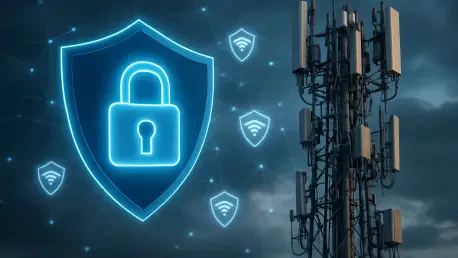
Integrating artificial intelligence directly into the 5G network fabric marks a significant shift from reactive to proactive defense strategies in the telecommunications sector. By leveraging Telcel’s extensive 5G infrastructure, the new system provides real-time monitoring and automated alerts that can identify suspicious traffic patterns before they result in data exfiltration. Traditional security applications often operate in isolation, but this unified package ensures that connectivity and protection are inextricably linked at the hardware level. This convergence is particularly vital for Internet of Things devices, which are frequently the weakest link in a company’s digital chain due to their limited onboard processing power. The system’s ability to provide granular visibility into every connected node allows for immediate isolation of compromised devices, preventing lateral movement within the network. This level of sophistication ensures that even a small neighborhood café can maintain the same uptime as a large multinational.
Future-Proofing Business Continuity: The Path Forward
The collaboration between Veea and Telcel established a new benchmark for how telecommunications providers can actively secure the digital economy of a developing nation. This move suggested that future network expansions would likely prioritize integrated security features over mere bandwidth increases to satisfy the demands of a risk-averse commercial market. Stakeholders in the Mexican business community were encouraged to evaluate their current infrastructure through the lens of this new AI-driven standard, recognizing that legacy systems no longer sufficed. The industry observed a clear transition toward subscription-based security models that offered scalability and ease of use for non-technical owners. Moving forward, the focus shifted toward incorporating even more advanced threat intelligence sharing between nodes to stay ahead of automated hacking tools. This proactive stance ensured that the initial rollout served as a catalyst for a more resilient digital infrastructure across Mexico.
Business leaders were advised to prioritize the adoption of unified connectivity platforms to mitigate the high costs associated with cybercrime incidents, which reached significant levels in previous quarters. By shifting away from fragmented IT solutions, companies began to realize more stable operational cycles and lower insurance premiums. The integration of 5G Fixed Wireless Access also provided a vital secondary connection point, ensuring that retail and medical services remained operational during primary network outages. This evolution highlighted the importance of viewing cybersecurity as a fundamental utility rather than an optional luxury. As AI threats continue to evolve from 2026 to 2028, the proactive deployment of hardware-level security became the most effective defense against sophisticated ransomware. Consequently, the strategy adopted by these technology partners provided a scalable blueprint for securing emerging markets against the global rise of automated cyberattacks and network-level vulnerabilities.