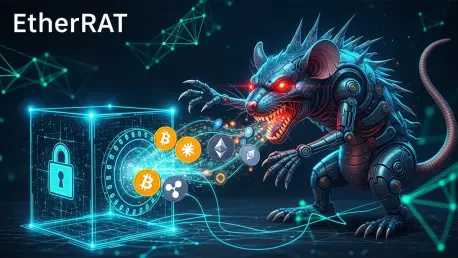

The current evolution of the global cyber threat landscape is characterized by a rapid dissolution of the traditional barriers that once separated standard enterprise system intrusions from specialized cryptocurrency theft operations. Historically, the digital underground was largely divided into two distinct factions: one focused on traditional Web2 tactics such as harvesting login credentials and expanding botnet footprints, while the other specialized in Web3 exploits like fraudulent trading portals and sophisticated wallet drainers. However, recent investigations into a new and highly capable variant of EtherRAT have revealed a definitive shift toward a blended attack model. In this emerging paradigm, a single malware campaign is engineered to simultaneously compromise the deep integrity of a Windows environment while actively identifying and liquidating decentralized digital assets. This convergence represents a significant escalation in risk for organizations that manage both traditional IT infrastructure and modern blockchain-based financial tools in 2026.
Weaponizing Trust: The Exploitation of Administrative Utilities
Threat actors are currently distributing this EtherRAT variant by exploiting the inherent trust that network professionals place in standard, open-source administrative utilities, specifically targeting the widely used Tftpd64 server. By establishing a fraudulent GitHub repository that mirrors the appearance of the official project, attackers offer a trojanized version of the software labeled as v4.74. This specific choice of target is highly strategic, as IT administrators and network engineers often operate with elevated system privileges and access to sensitive environments, making their workstations primary targets for high-value exploitation. When an unsuspecting professional downloads and executes this installer, they are not just installing a network tool but are unknowingly opening a silent gateway for a persistent threat. The malware strategically places a variety of files with deceptive extensions, such as .dat, .cmd, and .tmp, into the local application data folder to blend into the noise of standard system operations and evade manual scrutiny.
To ensure that the infection remains unnoticed for as long as possible, the EtherRAT variant utilizes a sophisticated deployment sequence that leverages a self-contained Node.js runtime environment. By bundling its own execution environment, the malware avoids any dependency on pre-installed system interpreters, which allows it to execute complex malicious logic without triggering security alerts designed to monitor standard system-wide script activity. Persistence is another critical component of this campaign, achieved through the modification of the Windows Run registry key to trigger a headless execution during every system logon. This method utilizes conhost.exe to launch the Node.js process silently in the background, ensuring that no visible windows or taskbar icons alert the user to its presence. This reliance on headless operations is a hallmark of modern stealth malware, designed to withstand the scrutiny of even vigilant users while maintaining a long-term foothold on the compromised machine for future data exfiltration or financial theft.
Stealth Operations: Reconnaissance and Encrypted Communication
Following the successful establishment of persistence, the malware initiates an extensive reconnaissance phase designed to map out the infected host and its surrounding network environment. It utilizes a series of PowerShell commands executed with suppressed windows and the specific -NoProfile flag to prevent the loading of user configurations that might inadvertently trigger security notifications. During this phase, EtherRAT harvests a wealth of telemetry, including the specific system locale, hardware specifications like GPU models, and the exact antivirus products registered with the Windows Security Center. Furthermore, it checks for Active Directory domain membership and retrieves the unique MachineGuid to track the specific victim within the attacker’s broader command-and-control dashboard. This detailed profile allows the threat actors to determine the value of the target and tailor their subsequent actions, whether that involves deeper lateral movement into the corporate network or the immediate targeting of local financial assets.
The communication protocol used by this variant is equally sophisticated, employing robust AES-256-CBC encryption to shield all data transmissions between the infected host and the command-and-control infrastructure. By utilizing legitimate system utilities like curl to download additional components from official distribution servers, the malware creates a network traffic profile that appears relatively benign to standard inspection tools. The bundled encryption keys and initialization vectors ensure that the content of the heartbeat signals and exfiltrated data remains opaque to security analysts attempting to perform packet capture or network-level behavioral analysis. This level of cryptographic protection, combined with the use of reputable domains for component updates, highlights the professional nature of the campaign. The infrastructure at wpuadmin[.]shop serves as the primary hub for managing the distributed nodes, allowing the attackers to push new instructions or update the malware’s functional modules without needing to re-infect the target system.
Bridging the Gap: On-Chain Exploitation and Asset Liquidation
What truly distinguishes this version of EtherRAT from a standard remote access trojan is its deep integration of Web3 functionalities, which are hardcoded directly into the malware’s core components. The package includes multiple Ethereum Remote Procedure Call endpoints from providers such as Flashbots and LlamaRPC, along with several hardcoded attacker wallet addresses. This infrastructure allows the malware to interact directly with the blockchain from the compromised host, facilitating a variety of malicious activities including dead-drop resolving for C2 instructions and direct asset drainage. By functioning as a wallet drainer, the malware can monitor the victim’s financial activity through browser-based extensions or local cryptocurrency applications, waiting for the optimal moment to initiate unauthorized transfers. This direct bridge between the local system and the decentralized web allows the threat actors to bypass many traditional financial controls and move liquidated assets through the blockchain ecosystem with high speed and anonymity.
To defend against this multifaceted threat, organizations and IT professionals must adopt a proactive security posture that focuses on source verification and the strict monitoring of administrative environments. All software, particularly network utilities and system tools, should only be acquired from official developer websites, and GitHub repositories must be rigorously vetted to ensure they are the legitimate, long-standing sources rather than recently created impersonations. Security teams implemented enhanced monitoring for the Windows Run registry key and flagged any instances of Node.js or conhost.exe running in headless mode from unusual directories like Local AppData. Furthermore, restricting outbound traffic to known Ethereum RPC endpoints from non-browser processes provided a critical defensive layer against unauthorized on-chain communication. These actions, combined with a zero-trust approach to administrative tools, allowed defenders to mitigate the risks posed by the convergence of traditional malware and modern cryptocurrency exploits effectively.