
The thrill of planning a European adventure was abruptly replaced by a wave of digital anxiety for countless travelers following the significant data breach at Eurail, a company synonymous with continental exploration. For many, what began as a dream trip has now morphed into a pressing concern over personal and financial security. The breach exposed a treasure trove of sensitive customer data, including full names, passport details, and contact information, leaving individuals vulnerable to a host of cyber threats. This guide assesses the direct link between this compromised information and the potential for identity theft, providing a clear action plan for affected travelers to safeguard their identities.
The Eurail Data Breach What Happened and What’s at Stake
The incident at Eurail, also known as Interrail within the European Union, was not a minor leak of email addresses but a comprehensive data compromise. The information stolen from the travel company’s systems included a full spectrum of personally identifiable information: full names, dates of birth, genders, home addresses, phone numbers, and passport details. This collection of data provides malicious actors with a powerful foundation for a wide range of fraudulent activities.
The severity of the breach is amplified for a specific subset of travelers: those who received passes through the Erasmus-funded DiscoverEU program. A separate notice confirmed that these users face an even greater risk, as their compromised data may have also included photocopies of their IDs, bank account reference numbers, and sensitive health information. This escalation in data sensitivity dramatically increases the potential for immediate and lasting harm, moving beyond simple scams to more complex and damaging forms of fraud. Eurail has since reported the incident to the appropriate authorities and stated that the security vulnerability has been closed.
Why This Breach Poses a Severe Identity Theft Risk
The combination of data stolen in the Eurail breach effectively creates a complete “identity kit” for criminals. With a person’s full name, address, date of birth, and passport number, a malicious actor possesses the core credentials needed to impersonate them. Unlike breaches involving only a password or email address, this incident provides the foundational documents and details required for more sophisticated and damaging attacks, making it a particularly dangerous event for every customer involved.
Consequently, affected travelers now face a trifecta of primary threats. The first is a wave of highly convincing phishing attacks, where criminals will use the stolen personal details to craft messages that appear legitimate. The second is direct financial fraud, where this information could be used to open new lines of credit or access existing accounts. The most severe threat is full-scale identity impersonation, where a criminal could use the passport and personal data to create fraudulent documents or engage in illegal activities under the victim’s name.
The elevated risk for DiscoverEU travelers cannot be overstated. The exposure of bank account numbers, ID photocopies, and health data makes them prime targets for the most invasive forms of identity theft. This information can be used not only for financial fraud but also for medical identity theft or to bypass security questions that rely on personal health history. This makes their situation critically urgent, requiring immediate and comprehensive protective measures.
Your Personal Security Playbook Steps to Mitigate the Risk
In the face of such a comprehensive data leak, passive waiting is not a viable strategy. Affected customers must take immediate and decisive action to build a strong defense against potential misuse of their information. The following steps provide a clear, actionable playbook designed to minimize the long-term impact of the exposed data and reclaim a sense of digital security.
Secure Your Digital Footprint Immediately
The first and most urgent task is to contain the immediate digital threat by addressing your passwords. This begins with your Eurail account but must extend to any other online service where you used the same or a similar password. Criminals will use automated software to test leaked credentials across hundreds of popular websites, a technique known as credential stuffing, hoping to find a match.
Beyond immediate changes, this breach should serve as a catalyst for adopting stronger security habits. Every online account should have a strong, unique password. Using a password manager can make this process seamless. Furthermore, enabling two-factor authentication (2FA) wherever possible adds a critical layer of security, requiring a second form of verification—like a code sent to your phone—before granting access. This simple step can block a criminal from accessing an account even if they have the correct password.
Stay Vigilant Against Phishing and Impersonation Scams
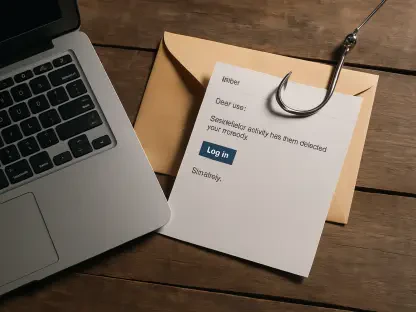
With their personal details now in the hands of criminals, affected users must treat all unsolicited communications with a heightened level of skepticism. Be prepared for a surge in sophisticated phishing emails, text messages, and phone calls that claim to be from Eurail, your bank, or even government agencies. These messages will use your stolen information to appear authentic.
A fraudulent email, for example, might read, “Dear [Full Name], we have detected a security issue with your passport [Passport Number] used for your recent booking. Please click here to verify your details.” The inclusion of personal data makes the scam highly convincing. Key red flags to look for include urgent requests for more information, pressure to act quickly, grammatical errors, and links that direct you to a website that does not match the official domain of the supposed sender. Never click on suspicious links or provide information in response to such messages.
Proactively Monitor Your Financial and Personal Identity
Protecting your digital accounts is only half the battle; constant monitoring of your financial and personal identity is now essential. Victims should immediately begin to scrutinize their bank and credit card statements on a regular basis, looking for any unauthorized transactions, no matter how small. Fraudsters often test stolen card details with tiny purchases before making larger ones.
For those whose passport or financial data was compromised, it is advisable to take more proactive steps. Consider setting up fraud alerts with the major credit bureaus, which will notify you if a new line of credit is opened in your name. An identity theft monitoring service can provide an even greater level of protection by scanning for misuse of your personal information across the web and dark web. A thief with your name, date of birth, and address could apply for new loans or credit cards, potentially ruining your credit score long before you notice any direct financial loss.
Final Verdict Assessing the Long-Term Threat
It was concluded that the Eurail data breach presented a direct and significant risk of identity theft, moving the threat from a theoretical possibility to a probable outcome for those affected. The comprehensive nature of the stolen data meant that it provided criminals with all the necessary components to execute sophisticated fraud and impersonation schemes, a danger that far exceeded that of typical password leaks.
The analysis ultimately determined that the danger from this breach was not temporary. All affected customers, particularly those in the DiscoverEU program, were advised to operate under the assumption that their data was permanently in the hands of criminals. This reality necessitated a fundamental shift in personal security practices, where sustained vigilance became a necessity for safeguarding their financial and personal well-being indefinitely.