
I’m thrilled to sit down with Rupert Marais, our in-house security specialist with a wealth of experience in endpoint and device security, cybersecurity strategies, and network management. Today, we’re diving into the recent SmartTube breach—a significant incident that compromised a popular third-party YouTube client for Android TVs. We’ll explore how this breach unfolded, the technical intricacies of the malware involved, the challenges of securing a development environment, and the critical steps being taken to restore user trust. Rupert brings a unique perspective to these topics, having tackled similar security challenges in his career, and I’m eager to hear his insights on what this incident means for the broader cybersecurity landscape.
Can you walk us through how a breach like the one with SmartTube might be discovered, and what immediate actions you’d recommend to secure the environment once something suspicious is flagged?
Thanks for having me, Russell. Discovering a breach like this often starts with user reports or automated systems like Android’s Play Protect raising red flags about unusual behavior or potential risks in an app. In SmartTube’s case, it was late November when the issue came to light, likely through a mix of user feedback and antivirus alerts. The moment you notice something off, the first step is to isolate the affected systems—think of it as quarantining a sick patient to prevent the spread. I’d immediately wipe the compromised development machine, as was done here, and scrub the environment, including any repositories like GitHub where tainted builds might linger. You also need to revoke any compromised signing keys to stop further unauthorized updates from being pushed. One challenge I’ve seen in past incidents is the sheer panic of realizing your keys—your digital identity—are in someone else’s hands. It’s like losing the only key to your house in a bad neighborhood; you’re racing against time to change the locks while hoping no one’s already inside. Another hurdle is identifying the full scope of the breach—knowing which versions, like 30.43 to 30.47 in this case, are infected takes meticulous analysis and user input, which can be frustratingly slow.
What can you tell us about the kind of malware payload that was injected into SmartTube, and how does something like this hidden library operate without users noticing?
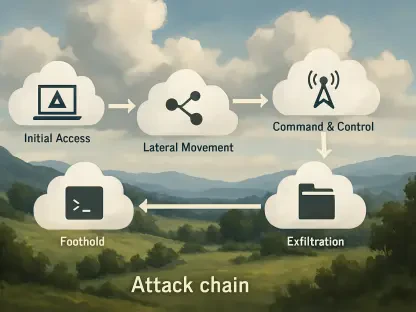
The malware in SmartTube, specifically the hidden library called libalphasdk.so found in version 30.51, is a sneaky piece of work. It’s not part of the public source code, meaning it was injected during the build process, likely due to the developer’s machine being compromised. This library operates silently in the background, fingerprinting the host device, registering it with a remote server, and exchanging encrypted data like metrics and configurations—all without a peep to the user. Imagine it as a quiet houseguest who’s cataloging everything in your home and phoning it back to someone without you ever seeing a phone bill. There’s no visible interface, no pop-ups, just covert activity that could potentially escalate to something worse like account theft or turning devices into botnet drones. In my experience, these kinds of libraries are designed to evade detection by minimizing resource usage and avoiding overt actions, which is why they often slip past initial scrutiny. The risk here is real—even if there’s no immediate harm, the capability for malice is just a remote command away, which keeps me up at night thinking about how many devices might already be quietly compromised.
How do you think developers should communicate with their user base during a crisis like this, especially when trust is shaken and tools like Play Protect are blocking the app?
Communication during a crisis is absolutely critical, and it needs to be swift, transparent, and empathetic. Developers should immediately acknowledge the issue publicly—through channels like Telegram or GitHub, as was done with SmartTube—and provide clear guidance on safe versions to use, such as version 30.19 which wasn’t flagged by Play Protect. It’s about painting a clear picture: admit what’s happened, outline what’s being done, like rolling out a new app ID or switching to a new signing key from version 30.55 onward, and give users actionable steps to protect themselves. I’ve seen situations where silence or vague updates left users feeling abandoned, like they’re shouting into a void with no response. You’ve got to keep the community in the loop, even if it’s just to say, “We’re still investigating, but here’s what we know.” Address their fears head-on—acknowledge that trust is shaken and commit to rebuilding it. For example, hearing from users about unauthorized access or blocked apps is gut-wrenching for any developer, so responding with humility and regular updates can turn frustration into a shared mission to fix things. It’s like rebuilding a bridge while people are still crossing it—daunting, but necessary.
From a technical perspective, can you break down the process of cleaning and securing a development environment after discovering malware, and how does an incident like this reshape security practices?
Securing a compromised development environment is like disinfecting a hospital ward after an outbreak—you can’t miss a spot. The first move, as was done with SmartTube, is a complete system wipe of the infected machine to ensure no residual malware lingers. You’d then rebuild the environment from scratch, ideally using a clean, isolated setup with fresh credentials and tools. I’d recommend leveraging endpoint detection and response (EDR) solutions to monitor for any suspicious activity post-cleanup, alongside auditing every line of code and build process for unauthorized changes. In past projects, I’ve used version control forensics to trace back to the point of compromise—tedious, but it’s like detective work that pays off when you pinpoint the entry vector. For SmartTube, cleaning the GitHub repository was key since tainted builds were hosted there. An incident like this often forces a hard rethink of security hygiene—think mandatory two-factor authentication for all accounts, air-gapped build environments for critical releases, and regular security audits. I remember the sinking feeling of realizing a simple overlooked update opened a backdoor in a system I managed years ago; it’s a lesson you don’t forget. Now, I preach treating every machine as a potential target, no matter how small the project. This breach likely pushed a shift toward more rigorous key management and build integrity checks for the SmartTube team, and I’d bet they’re double-checking every release with a fine-tooth comb.
Looking at the trust issues stemming from delayed transparency in this case, how important is a detailed post-mortem for rebuilding confidence, and what elements should it cover to address user concerns?
A detailed post-mortem is non-negotiable if you want to rebuild trust after a breach like SmartTube’s. It’s your chance to lay everything bare—think of it as opening the books during a financial audit to show you’ve got nothing to hide. Delaying full disclosure until a release on platforms like F-Droid, as was planned here, can fuel skepticism, so when that report comes, it needs to be comprehensive. It should cover the timeline of the breach, how the malware got in via the development machine, which versions—30.43 to 30.47—were hit, and the exact steps taken to remediate, like wiping systems and issuing new keys. Equally important is addressing the “why”—why wasn’t this caught sooner, and why the delay in transparency? I’ve been in rooms where users grilled us after a security lapse, and their frustration often stemmed from feeling kept in the dark; a post-mortem that feels like a genuine mea culpa can turn that around. Include lessons learned and concrete policy changes—say, new build security protocols or third-party audits. It’s not just a report; it’s a promise to do better. When I’ve seen teams execute this well, users often come back stronger, feeling like they’re part of the recovery story rather than just victims of it.
What is your forecast for the future of third-party app security on platforms like Android TV, especially given incidents like SmartTube?
Looking ahead, I think third-party app security on platforms like Android TV is at a crossroads. We’re seeing more users flock to apps like SmartTube for features the official clients don’t offer—ad-blocking, performance on low-spec devices—but breaches like this expose the underbelly of open-source and third-party ecosystems. I foresee tighter scrutiny from platform providers, possibly more aggressive Play Protect interventions or stricter sideloading policies, which could stifle innovation if not balanced right. Developers will need to step up with proactive security—think embedded integrity checks or community-driven code audits—because users are getting savvier and less forgiving. My worry is that without a cultural shift toward security-first development, we’ll see more incidents where a single compromised key turns a beloved app into a trojan horse. On the flip side, I’m hopeful that incidents like this will spark better tools for developers to secure their environments, maybe even platform-level support for signing key escrow or build verification. It’s like watching a neighborhood install better locks after a break-in—we can get safer, but only if everyone commits to the effort.