
The traditional mobile antivirus model has become increasingly redundant as modern operating systems like Android and iOS implement sophisticated sandboxing to isolate applications and protect system integrity. This structural shift reflects a broader evolution in the threat landscape, where

By integrating Google’s Gemini AI model into its backend operations, the RatHat banking trojan has successfully automated the process of sifting through thousands of stolen text messages to identify high-value targets. This shift from manual labor to AI-driven efficiency marks a new epoch in the
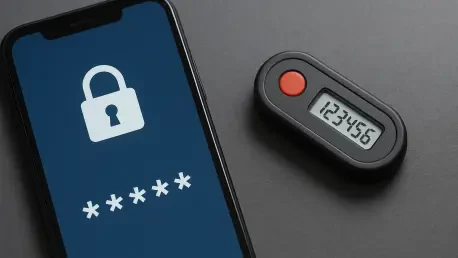
Players often encounter errors during gifting because they have not met the requirement of being at least level two or having 2FA active for more than two days. In the current digital landscape of 2026, maintaining account security has transitioned from a recommended practice to an absolute
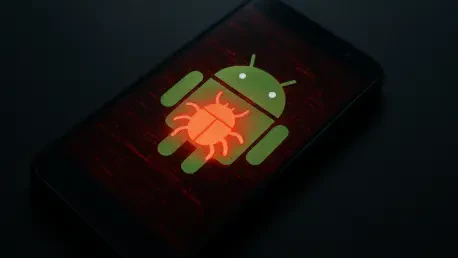
The infection process begins silently with a hidden system component, such as com.android.system.lite, which requires no user interaction to initiate its malicious lifecycle. This represents a chilling evolution in the mobile threat landscape of 2026, where the traditional model of user-induced

Bluetooth and nearby device permissions can be exploited for offline tracking even when a smartphone is not actively connected to a Wi-Fi network. This reality underscores the hidden complexities of modern mobile ownership, where the excitement of unboxing a premium device often masks a silent

Reputable online marketplaces have facilitated the sale of thousands of phones that ship with pre-loaded, system-level security threats. This alarming trend has come to light through the discovery of the Midnight Mimosa campaign, which specifically targets users looking for inexpensive mobile