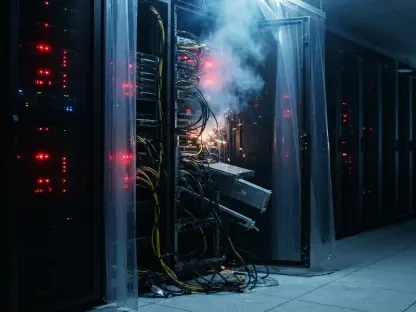

The rapid integration of autonomous AI coding agents into professional software development workflows has inadvertently created a massive new attack surface that bypasses traditional security perimeters by exploiting the fundamental way these models process plain-text instructions. Rather than

Prohibiting the use of artificial intelligence is proving to be an ineffective strategy that typically leads to further clandestine tool adoption by employees. In the current landscape of 2026, the reliance on autonomous tools has reached a critical tipping point where productivity gains often mask
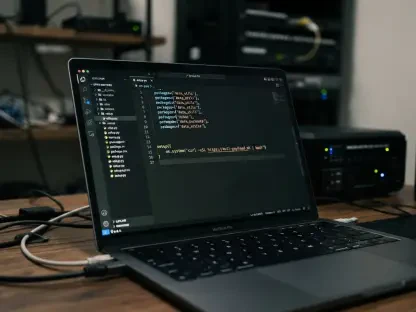
The absolute silence of a digital infiltration often masks the catastrophic scale of the damage until thousands of developers find their trusted environment turned into a weapon against them. On October 21, 2026, the developer community woke up to a sophisticated supply chain attack that

Traditional data loss prevention tools often fail to recognize the nuances of AI prompts, allowing sensitive customer data to leak into external large language models. As corporate reliance on artificial intelligence transitions from an experimental phase to a standard operational pillar in 2026,

The move toward subscription-free security models reflects a brand-wide philosophy that high-end protection should not be locked behind recurring paywalls. This paradigm shift is particularly evident as homeowners across Canada seek more robust and autonomous ways to safeguard their properties

Adding complex encryption to federated learning rounds can introduce delays of nearly eighteen seconds, which is unsuitable for life-critical medical interventions. In the rapidly evolving technological landscape of 2026, the Internet of Medical Things has become the backbone of modern clinical
1 2 3 4 5 6 7 8 9 10 11 12 13 14 15 16 17 18 19 20 21 22 23 24 25 26 27 28 29 30 31 32 33 34 35 36 37 38 39 40 41 42 43 44 45 46 47