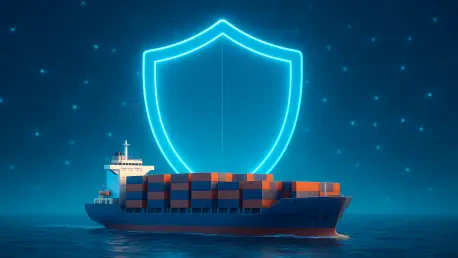

Vessel operators are being urged to move beyond minimal security budgets as the cost of legal penalties far outweighs the expense of professional system upgrades. This directive comes as the maritime industry grapples with an unprecedented wave of digital threats targeting navigational safety and commercial integrity. As we move through 2026, the transition toward the mandatory cybersecurity standards set by the United States Coast Guard has reached a critical juncture where compliance is a requirement for continued operation. The integration of high-speed satellite internet has revolutionized onboard life, yet it has simultaneously opened vulnerabilities that many shipping companies were previously unprepared to manage. The reliance on interconnected systems means that a compromise in the crew’s recreational network can now bleed into core operational technology. This reality necessitates a shift in how the industry views digital protection, making it a core part of seaworthiness today.
Strengthening Maritime Digital Infrastructure
Part 1. Formalizing Roles
Codified under 33 CFR Part 101, Subpart F, the new regulations demand that every U.S.-flagged vessel, facility, and Outer Continental Shelf installation establish a clear hierarchy for digital defense. This starts with the formal designation of a Cybersecurity Officer, a role that requires more than a title change for an existing crew member. This individual must possess the technical acumen to oversee a comprehensive Cybersecurity Assessment, which serves as the bedrock for subsequent safety measures. Identifying these specialists is a significant hurdle, as the intersection of maritime expertise and cybersecurity knowledge remains a rare niche. However, the upcoming deadline of July 16, 2027, leaves no room for delay. The assessment must identify every potential entry point for a malicious actor, ensuring that the resulting Cybersecurity Plan is not just a document on a shelf but a functional roadmap for operational resilience and documented compliance for the fleet.
Part 2. Network Isolation
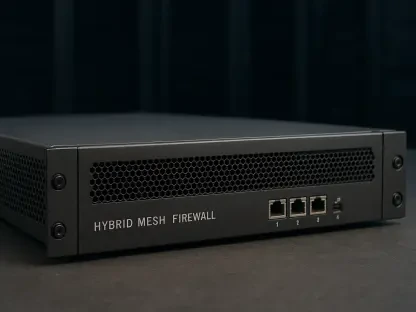
The most pressing technical challenge identified by specialists is the dangerous convergence of Information Technology and Operational Technology. For years, the rapid adoption of low-cost satellite internet has outpaced the implementation of security protocols, leading to environments where crew connectivity and critical ship systems share the same network infrastructure. This lack of segmentation is a primary target for cybercriminals who exploit personal devices to gain a foothold in ship control systems. Remedying this situation requires physical and logical isolation, a process that is often complex and labor-intensive. It involves reconfiguring routers and firewalls to ensure that a breach in the crew’s Wi-Fi cannot propagate to steering or ballast controls. This approach naturally leads to a more resilient architecture, but it demands immediate action to avoid resource bottlenecking as the industry scrambles to find qualified technicians to perform these necessary upgrades.
Part 3. Strategic Outcomes
To navigate this landscape, the industry adopted a strategy of early intervention and comprehensive auditing of all digital assets. Stakeholders recognized that identifying critical vulnerabilities before they were exploited was the only way to avoid administrative penalties of up to $43,527 or the revocation of vessel clearance. They prioritized the segmentation of networks, ensuring that operational technology remained isolated from crew internet access through the deployment of enterprise-grade security gateways. Forward-thinking companies also invested in ongoing training for their designated Cybersecurity Officers, treating the 2027 deadline as a baseline for safety. By integrating these technical and administrative layers into standard operating procedures, operators transformed their security posture from a liability into a competitive advantage. This shift ensured that the fleet remained operational, effectively safeguarding both the crew and the cargo for the long-term future.