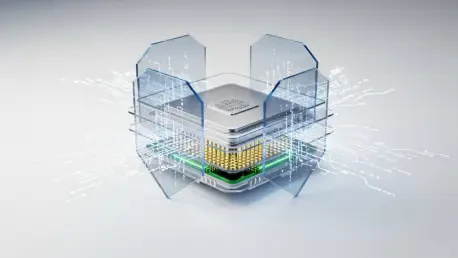

The current digital environment is increasingly dominated by automated exploitation frameworks that bypass traditional signatures with alarming speed and precision, forcing a radical shift in defensive strategies. As we navigate the complexities of this year, the line between minor malware and high-level corporate espionage has blurred, making every connected device a potential entry point for persistent ransomware and AI-driven phishing campaigns. Users no longer view antivirus software as a simple background task; it has become a necessary pillar of digital identity and financial stability. With the proliferation of smart homes and interconnected infrastructure, the consequences of a breach are more severe than ever, leading to a demand for tools that offer deep behavioral analysis. This shift in the threat landscape requires an understanding of how modern security engines detect anomalies in real time without compromising the fluidity of the user experience across multiple high-performance platforms and diverse networks.
Evaluation Methodology and Industry Trends
Data-Driven Testing and Integrated Features
Expert analysis for current rankings relies on an extensive synthesis of data from five of the most respected independent security laboratories globally. These organizations subject software to thousands of malicious samples, ranging from legacy viruses to the latest zero-day exploits that have emerged in the first few months of this year. The testing criteria have evolved beyond simple file-based detection, now focusing heavily on the efficacy of heuristic engines and the speed of response to unknown threats. It is no longer sufficient for a program to identify known bad actors; it must proactively prevent unauthorized modifications to system files and registries. This rigorous vetting process ensures that the top-tier products listed represent the pinnacle of engineering and reliability. Analysts also prioritize the consistency of updates and the responsiveness of support channels, as these factors are crucial when dealing with modern, fast-moving threats that target vulnerabilities.
Holistic Protection and Emerging Market Trends
A significant trend observed in the current market is the consolidation of various defensive technologies into single, comprehensive security suites that provide holistic protection. Consumers are increasingly favoring products that integrate virtual private networks, robust password managers, and identity monitoring tools directly into the core antivirus interface. This unified approach simplifies the management of digital hygiene while reducing the potential for software conflicts between disparate applications. Furthermore, the ability to preemptively block zero-day threats before they are officially cataloged has become the primary differentiator between industry leaders and mid-tier competitors. These all-in-one solutions are designed to address the multifaceted nature of modern cyberattacks, which often combine social engineering with technical exploits. By providing a layered defense that covers everything from browser safety to local file encryption, these suites offer a level of security.
The Benchmark for Comprehensive Protection
The Gold Standard for Consumer Security
Norton 360 Deluxe continues to hold its position as the premier standard for consumer security, consistently achieving perfect marks in every performance and protection category evaluated by industry experts. Its sophisticated smart firewall is particularly effective at managing incoming and outgoing traffic, preventing unauthorized connections that could lead to data exfiltration. The inclusion of an unlimited VPN and 50GB of cloud backup provides a safety net that most other products fail to match in a single subscription. While critics often point to its higher consumption of system resources compared to more minimalist alternatives, the depth of its defensive layers provides a sense of security that justifies the overhead. For users who maintain extensive digital archives or engage in frequent online transactions, the proactive defense mechanisms within this ecosystem remain unparalleled. It serves as a comprehensive shield that anticipates threats by analyzing behavioral patterns.
Proactive Defense and Identity Monitoring
The effectiveness of the Norton ecosystem is rooted in its ability to adapt to the specific behaviors of the user while maintaining a high level of background vigilance against hidden processes. Beyond basic scanning, it incorporates advanced identity protection features that monitor the dark web for compromised personal information, providing real-time alerts if a breach is detected. This transition from reactive scanning to active monitoring reflects the necessity of protecting the entire digital footprint rather than just hardware. The integration of various tools into a cohesive interface allows even non-technical individuals to manage complex security protocols with relative ease. Moreover, the reliability of its remediation tools ensures that if a system does become compromised, the recovery process is swift and comprehensive. This focus on the full lifecycle of a security event, from prevention to detection and eventual recovery, cements its status as a top-tier choice for individuals who prioritize reliability.
Balancing Performance and Technical Precision
Premier Performance for Modern Users
For individuals who require high-performance computing without the interference of heavy security processes, Bitdefender Antivirus Plus provides an exceptional balance of speed and safety. A standout innovation this year is its refined Profiles system, which utilizes deep behavioral analysis to automatically calibrate security settings based on current system activities. Whether the user is engaged in intensive 3D rendering, competitive gaming, or standard office work, the software adjusts its impact to ensure that protection remains effective without causing latency or interruptions. This intelligent automation minimizes the need for manual intervention, allowing the software to operate efficiently in the background. Furthermore, the engine is remarkably adept at identifying multi-stage ransomware attacks, neutralizing them before they can begin encrypting critical files. The combination of a lightweight footprint and sophisticated threat detection makes it a favorite for those who demand technical excellence.
Advanced Defensive Tools and Exploit Prevention
ESET NOD32 Antivirus remains the primary choice for IT professionals and power users who value technical precision and a surgically clean approach to system protection. It is renowned for its ability to identify and neutralize sophisticated exploit attacks that target deep-seated vulnerabilities within the operating system or third-party applications. The software offers an array of advanced diagnostic tools and comprehensive reporting features that allow users to inspect the inner workings of their security environment with high accuracy. Because it avoids the bloat often associated with larger security suites, it maintains one of the lowest system impacts in the industry, making it perfect for custom-built workstations and high-efficiency setups. This minimalist philosophy focuses on the core mechanics of virus detection and prevention, providing a level of control that appeals to those who want to manage their security settings manually. Its stability and effectiveness continue to make it a staple.
Reliable Standards and Specialized Privacy
Consistent Performance Across Diverse Platforms
Avast and Avira have maintained their relevance through consistent performance and high detection accuracy, catering to specific user needs such as cross-platform compatibility and legacy hardware support. Avast is particularly effective for households using a variety of operating systems, offering excellent protection for mobile and desktop devices within a single ecosystem. Meanwhile, Avira is a top recommendation for older hardware, providing a clean interface and essential tools like a password manager without slowing down the processor. These brands have successfully adapted to the current landscape by focusing on accessibility and reliable background protection that does not require constant user interaction. Their ability to deliver high-quality security across diverse environments ensures that they remain a favorite for global users. By leveraging massive cloud-based threat intelligence networks, both programs provide real-time defense against emerging malware, ensuring that even the most basic installations are kept secure.
Niche Solutions for Identity and Anonymity
Trend Micro Maximum Security stands out for its enterprise-level approach to identity monitoring, while Surfshark Antivirus prioritizes online anonymity with a privacy-first model. Trend Micro is specifically designed for users whose primary concern is protecting personal and financial data from sophisticated online fraud, utilizing advanced scam identification technologies. In contrast, Surfshark offers unlimited device coverage and a top-tier VPN for users who view antivirus as an extension of their privacy suite. McAfee Internet Security remains a powerhouse due to its long brand history and extensive feature list, including file encryption and identity theft modules. At the same time, Webroot Antivirus occupies a vital niche by offering a cloud-based, ultra-lightweight installation that is incredibly efficient for devices with limited storage. These specialized tools demonstrate that the current market provides a diverse array of options tailored to the specific priorities of different user groups, from identity protection to storage efficiency.
Strategic Selection for the Modern Era
Synthesizing the 2026 Market Rankings
The analysis of the current market demonstrated that there was no longer a one-size-fits-all solution for digital defense, as software developers successfully evolved their products to meet highly specific user profiles. Whether an individual was a power user seeking granular control or a household manager protecting a variety of legacy devices, the options available this year provided specialized protection for every scenario. The transition toward behavioral analysis and integrated privacy tools showed that the industry had finally moved beyond reactive measures to a more proactive and holistic stance. Experts emphasized that the most effective strategies involved matching the capabilities of the software with the actual habits and hardware of the user. This strategic alignment ensured that security did not become a burden but rather a seamless part of the digital experience. Those who prioritized an informed selection process found themselves better equipped to handle the complexities of the modern threat landscape.
Practical Advice for Future Security
Successful navigation of the digital landscape required a proactive commitment to evaluating security needs based on evolving threats and personal usage patterns. Users who took the time to implement multi-layered defenses, such as those combining local scanning with cloud-based intelligence and identity monitoring, achieved the most robust protection. It was recommended that individuals regularly reviewed their software settings to ensure that features like behavioral analysis and real-time protection remained active and properly calibrated. Furthermore, the integration of password managers and encrypted backups proved to be essential components of a modern security posture, mitigating the impact of potential breaches. The market for this year confirmed that staying safe was not just about installing a program, but about adopting a comprehensive approach to digital hygiene. By choosing tools that balanced performance with deep technical capabilities, users were able to secure their data effectively while maintaining the overall performance of their devices.