Have you ever connected to free airport Wi-Fi without a second thought, trusting it to keep you linked to the world while waiting for your flight? What if that seemingly harmless connection was a trap, designed to steal your most personal data? In a chilling case from Australia, a 44-year-old man named Michael Clapsis was sentenced to prison for orchestrating sophisticated cyber-attacks on unsuspecting travelers at airports and aboard domestic flights. This story uncovers a hidden danger in public networks, revealing how easily trust can be exploited in the most mundane settings.
The Heart of a Digital Scandal
This isn’t just a tale of one man’s misdeeds; it’s a stark warning about the vulnerabilities lurking in the digital conveniences society relies on daily. Millions of passengers pass through airports like Perth, Melbourne, and Adelaide each year, many connecting to public Wi-Fi to stay in touch or pass the time. Clapsis’s actions exposed a critical flaw in these systems, turning a simple act into a gateway for data theft. His sentencing—a term of seven years and four months, with parole possible after five—signals a growing recognition of the severe impact of cybercrimes on personal security. The significance of this case lies in its reminder that public spaces, often seen as safe, can harbor invisible threats demanding urgent attention.
A Mastermind of Malicious Networks
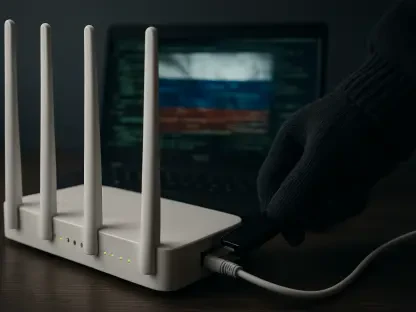
Delving into the details, Clapsis employed a tool known as a Wi-Fi Pineapple—a device meant for legitimate network testing—to execute what experts call “evil twin” attacks. At bustling airports and even on domestic flights, his equipment silently detected users searching for Wi-Fi, then created fake access points mimicking real networks. Travelers, unaware of the deception, connected to these rogue hotspots and were funneled to fraudulent login pages. Here, they handed over sensitive details like email passwords and social media credentials, believing they were accessing a trusted service.
The scale of his operation came to light after an alert airline employee noticed a suspicious network mid-flight, triggering an investigation by the Australian Federal Police (AFP). Upon searching Clapsis’s luggage in Perth, authorities seized the hacking device alongside a laptop and mobile phone. A further raid on his home revealed a horrifying collection: thousands of stolen intimate images and videos, alongside personal credentials and records of fake login pages. The sheer volume of compromised data painted a grim picture of privacy invasion on a massive scale.
A Desperate Bid to Evade Justice
Beyond the initial deceit, Clapsis went to extreme lengths to cover his tracks once the authorities closed in. The day after a search warrant was executed, he deleted critical files from an online storage account and attempted—though unsuccessfully—to wipe his phone remotely. In an even bolder move, he accessed his employer’s laptop to spy on confidential discussions between the company and the AFP. These actions weren’t just desperate; they showed a calculated intent to obstruct justice, adding layers of complexity to an already disturbing case.
Voices from the Frontline
The AFP has been vocal about the broader implications of such cyber threats, with a spokesperson stating, “Travelers often assume public Wi-Fi is safe, but this case proves how easily that trust can be weaponized.” Forensic analysis of Clapsis’s devices provided undeniable proof of the extent of his data theft, shocking even seasoned investigators. Beyond the technical evidence, the personal stories of victims—whose private moments and accounts were exposed—add a deeply human element to this crime. Their experiences underscore the emotional toll of having one’s digital life violated, pushing authorities to advocate for greater public vigilance.
Arming Yourself Against Invisible Threats
So, how can travelers protect themselves in an era where such dangers lurk behind every login prompt? First, caution is key—avoid networks with generic or odd names like “Free Airport Wi-Fi” and confirm the official network with airport staff. Using a Virtual Private Network (VPN) offers another shield, encrypting data to thwart potential interceptors. Additionally, refrain from accessing sensitive accounts on public Wi-Fi, and keep devices updated to patch known vulnerabilities. These steps, though simple, can make a significant difference in safeguarding personal information.
Reflecting on this case, the sentencing of Michael Clapsis stood as a pivotal moment in the fight against cybercrime. It highlighted the urgent need for stronger defenses in public digital spaces. Looking back, the collaboration between alert individuals, like the airline employee who first raised concerns, and law enforcement set a powerful precedent for future vigilance. Moving forward, it’s clear that both travelers and authorities must prioritize education on digital safety, ensuring that innovations in connectivity don’t come at the cost of privacy. The battle against such threats continues, but with informed action, the balance can tip toward security.