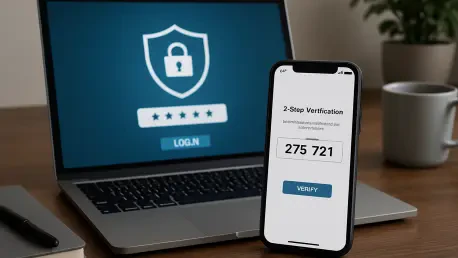

A single compromised password can unravel an entire digital life in minutes, a reality that has become starkly apparent as cybercrime reports continue to climb, yet remarkably common and weak passwords like ‘123456’ persist in widespread use. In this environment, relying on a password alone is akin to locking a bank vault with a screen door. The critical countermeasure, multi-factor authentication (MFA), introduces a necessary secondary verification step—typically a code sent to a phone or generated by an app—that serves as a powerful bulwark against unauthorized access. This simple yet highly effective security layer is not just a recommendation; it has become an essential practice for digital self-preservation. Research from major technology firms like Microsoft has consistently demonstrated its power, showing that implementing MFA can block an astonishing 99.9% of automated cyberattacks that rely on stolen credentials. While the ideal scenario involves activating this protection on every online account, the sheer volume of digital services makes this a daunting task. Therefore, a strategic approach is necessary, prioritizing the accounts that, if breached, would cause the most significant and immediate damage to one’s personal, financial, and social well-being.
The Digital Keystone Accounts
At the core of any individual’s online presence are foundational accounts that function as the master keys to countless other services. A breach of these central pillars does not just compromise one platform; it provides a direct pathway for malicious actors to systematically dismantle a person’s entire digital identity. These accounts are the primary targets for sophisticated attackers because they offer the highest return on investment, granting access to a web of interconnected services that can be exploited for financial gain, identity theft, or widespread disruption. Securing them is not just a single act of defense but a strategic move that reinforces the security of the entire digital ecosystem. The following accounts represent the most critical assets in this digital hierarchy, and protecting them with multi-factor authentication should be the absolute first priority for anyone serious about cybersecurity.
The Epicenter of Your Online Identity
The primary email account is arguably the most critical digital asset an individual possesses, serving as the central nervous system for their online activities. It is the default recovery channel for nearly every other service, from banking and e-commerce to social media and professional networks. When a password is forgotten, the reset link is sent to this email address. When a new device logs into a sensitive account, the notification alert arrives here. Consequently, an attacker who gains control of this account effectively holds the master key to a person’s entire digital life. They can systematically initiate password resets for other high-value accounts, intercept verification codes, and lock the legitimate owner out of their own services. This level of access allows them to not only steal financial information but also to commit comprehensive identity theft, using the trusted email address to communicate with banks, employers, and contacts, further cementing their fraudulent control. Protecting this account with MFA is therefore non-negotiable, as it places a crucial barrier between an attacker and the gateway to everything else.
Securing Your Digital Vault
A password manager is an indispensable tool for modern cybersecurity, allowing users to generate and store unique, complex passwords for dozens or even hundreds of online services without the need to memorize them. However, this convenience concentrates immense power and risk into a single location. If this central vault is compromised, the consequences are catastrophic, far exceeding the damage of a typical data breach. An attacker who gains access to an unprotected password manager instantly obtains the keys to every single account stored within it. This includes credentials for banking portals, investment accounts, cloud storage, work-related systems, and personal social media profiles. The breach becomes a total compromise of one’s entire online footprint, executed in a single stroke. This makes the password manager the most critical account to secure with multi-factor authentication. Activating MFA ensures that even if the master password is stolen, the attacker cannot access the vault without the second verification factor, effectively neutralizing the single greatest point of failure in a person’s digital security posture.
Protecting Your Personal and Financial Assets
Beyond the foundational accounts that manage digital identity and credentials, the next tier of critical assets involves services that directly house sensitive personal data and financial information. These platforms are prime targets for criminals seeking immediate monetary gain or valuable data for identity fraud. A breach in this category can lead to drained bank accounts, fraudulent credit card charges, and the exposure of private documents and photos. The direct link to tangible assets makes these accounts particularly attractive to attackers, who often employ sophisticated phishing schemes and malware to acquire login credentials. Therefore, implementing multi-factor authentication on these services is not merely a preventative measure but an essential line of defense to safeguard one’s financial stability and personal privacy from direct and immediate threats.
Guarding Your Digital Archives
Cloud storage services such as iCloud, Google Drive, and Dropbox have become the de facto digital filing cabinets for modern life, holding a vast trove of personal and professional information. These platforms often contain everything from family photos and private videos to tax documents, medical records, copies of passports, and sensitive work files. A successful attack on one of these accounts is equivalent to a physical break-in of a home or office, giving criminals unfettered access to a lifetime of data. This information can be exploited in numerous ways: it can be held for ransom, used to orchestrate highly convincing identity theft schemes, or sold on the dark web. For example, armed with financial statements and identification documents from a cloud drive, an attacker could apply for loans or credit cards in the victim’s name. Given the deeply personal and comprehensive nature of the data stored within these services, securing them with MFA is of paramount importance. This additional security layer ensures that even with a stolen password, a malicious actor cannot access the wealth of sensitive information contained within.
Barricading Your Financial Gateways
Any online service that stores financial details, including online banking portals, payment platforms like PayPal, and e-commerce sites with saved credit card information, represents a direct conduit to an individual’s money. These accounts are the most direct targets for cybercriminals focused on immediate financial theft. Gaining access allows them to drain bank accounts, make fraudulent purchases, or transfer funds to untraceable accounts. The speed at which these transactions can occur often means the damage is done before the victim is even aware of the breach. Criminals can also exploit these accounts to gather more financial data, such as transaction histories and billing addresses, to build a more complete profile for larger-scale fraud. Because the potential for direct and irreversible financial loss is so high, implementing multi-factor authentication is an absolute necessity. It acts as a crucial checkpoint, requiring a second form of verification before any significant financial activity, such as a large transfer or adding a new payee, can be authorized. This simple step can be the deciding factor that prevents an attacker from turning stolen credentials into a devastating financial loss.
A Strengthened Digital Future
The proactive implementation of multi-factor authentication across these key accounts fundamentally shifted the security landscape for countless users. By securing the central pillars of their digital lives—their email, password managers, financial portals, cloud storage, and social networks—individuals erected formidable barriers against the most common forms of cyberattack. This prioritization ensured that the most critical access points were no longer vulnerable to simple password theft, which had been the root cause of so many damaging breaches. The widespread adoption of this layered defense strategy ultimately forced attackers to develop more sophisticated methods, but it successfully neutralized the low-effort, high-reward tactics that had previously been so effective. The focus on protecting these five core areas created a more resilient and secure online environment, proving that a strategic, focused approach to security was far more effective than a scattered, inconsistent one.