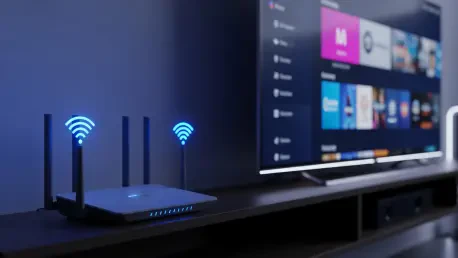

Modern households increasingly rely on smart televisions that function as sophisticated central hubs for digital entertainment and information while inadvertently exposing personal data through persistent internet connections. These devices often lack the robust security protocols found in contemporary smartphones or enterprise-grade computers, making them prime targets for unauthorized data harvesting and tracking by third-party advertisers. While many consumers believe that basic password protection is sufficient, the reality of the current threat landscape involves complex telemetry and cross-device tracking that circumvents traditional local security measures. A router-based virtual private network serves as a comprehensive shield for the entire home network, ensuring that every connected device, including the smart TV, benefits from advanced encryption and location masking. This centralized defense strategy eliminates the need for individual app installations, which is particularly beneficial since many proprietary television operating systems do not natively support VPN software.
1. Technical Vulnerabilities in Modern Television Ecosystems
Smart TVs run on a variety of specialized operating systems such as Samsung’s Tizen, LG’s webOS, and Roku TV, which often present a significant challenge for traditional security software. Unlike Android-based systems that may allow for some level of app flexibility, these proprietary platforms frequently restrict the installation of third-party tools, including virtual private networks. This restriction leaves users with few options for direct protection, forcing them to rely on the manufacturer’s periodic security patches, which may become less frequent as models age within the 2026 to 2028 lifecycle. Furthermore, the limited processing power dedicated to non-streaming tasks on these devices can cause significant performance degradation if a software-based encryption tool is running in the background. By moving the encryption task to the router, the television is relieved of the computational burden, allowing it to maintain optimal streaming speeds while benefiting from a secured tunnel.
Beyond simple hacking risks, the primary threat to privacy on modern televisions comes from the pervasive use of Automatic Content Recognition technology that monitors every pixel displayed on the screen. This system collects data on viewing habits, including local news consumption, gaming preferences, and even physical media playback, which is then sold to data brokers to create detailed consumer profiles. Traditional ad-blockers or DNS filters often fail to stop these data packets because they are frequently hardcoded into the television’s core firmware and utilize encrypted channels to communicate back to manufacturer servers. A router-based VPN provides a robust solution by masking the source IP address and tunneling the traffic through a server that can filter out known tracking domains before they even reach the wider internet. This method ensures that telemetry data cannot be easily linked to a specific physical household, effectively disrupting the chain of surveillance.
2. Implementation and Strategic Network Management
Successfully deploying a router-based security layer requires selecting hardware that features native support for modern protocols like WireGuard, which has become the industry standard for high-performance encryption. Many contemporary routers from manufacturers such as GL.iNet and ASUS now come with built-in VPN client capabilities, allowing users to enter their credentials once to protect every device in the home automatically. For those using older equipment, the installation of custom firmware like OpenWrt or DD-WRT provides a path to advanced security features that the original manufacturer might have omitted. This approach centralizes control, enabling the user to manage their entire network’s security posture from a single administrative dashboard rather than configuring individual settings on every peripheral. The integration of these features at the network gateway ensures that even older streaming sticks receive the same level of cryptographic protection as the newest smart TV.
The transition to a centralized security model proved to be a pivotal shift in how digital privacy was handled within the modern household throughout the early months of the current year. By shifting the focus from individual device management to a holistic gateway defense, users successfully mitigated the risks associated with the proliferation of insecure internet-connected appliances. This strategy effectively neutralized the various tracking mechanisms that had previously compromised the confidentiality of domestic viewing habits and online interactions. Homeowners should now prioritize the integration of artificial intelligence within router firmware to further refine the protection offered to televisions. These upcoming systems will incorporate behavioral analysis to block unauthorized connection attempts in real-time. By combining a router-based VPN with network segmentation, users can create a resilient infrastructure that protects against the unknown challenges of the shifting technological horizon.