
Modern cyber adversaries are leveraging sophisticated artificial intelligence to discover and weaponize zero-day vulnerabilities at a pace that far exceeds the traditional capacity of human security operations centers. This rapid evolution has effectively eliminated the luxury of time that analysts once relied upon to patch and protect enterprise assets. As a result, the industry is witnessing a critical shift toward “secure-by-design” architectures that prioritize automated resilience over manual intervention. While major cloud providers like AWS and Google Cloud offer powerful internal security mechanisms, the complexity of managing these disparate controls across a multicloud environment often creates dangerous gaps in coverage. Organizations frequently hesitate to deploy aggressive security postures due to the fear of accidentally disrupting essential business operations or causing service outages. This tension between high-speed defense and operational stability remains a primary hurdle for modern security teams who must navigate various platform-specific interfaces.
Enhancing Enterprise Agility through Automated Guardrails
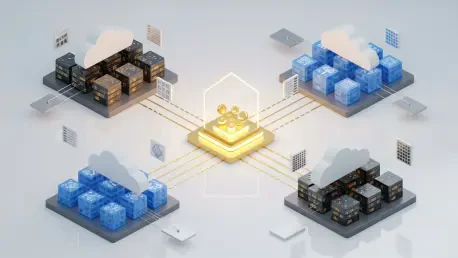
Native enters this volatile landscape with a clear mission to simplify the management of these complex environments through its newly launched security control plane. Emerging from stealth with significant financial backing, the firm was established by seasoned leaders from AWS and Check Point who recognized that adding more layers of monitoring software often complicates rather than solves the problem. Instead of introducing external tools that simply flag issues, the platform translates high-level security intent directly into the provider-specific configurations already native to the cloud environment. This methodology leverages the existing enforcement mechanisms of the infrastructure, ensuring that security policies are consistent and reliable regardless of which cloud provider is hosting the workload. By abstracting the technical minutiae of various cloud platforms, the system allows enterprises to maintain a unified security posture without requiring deep specialization in every specific interface or API used across their diverse digital footprint.
Strategic Implementation of Resilient Infrastructure
Bridging the gap between security policy and operational reality requires more than just configuration management; it demands a high degree of predictive intelligence and rollout precision. The platform incorporates advanced pre-deployment impact simulations that allow security engineers to visualize how a proposed policy change will affect traffic flow and service availability before it ever hits production. This proactive approach mitigates the risk of self-inflicted downtime, which has historically been a major deterrent for teams attempting to tighten cloud security controls. Furthermore, the integration of intelligent rollout strategies ensures that updates are applied incrementally, with automated rollback capabilities if any performance degradation is detected. By automating these guardrails, organizations can finally align their physical cloud environments with their overarching strategic security goals. This evolution moves the security department from being a perceived bottleneck to becoming a facilitator of rapid, secure business growth.
Future Considerations for Multicloud Architecture
The integration of native cloud enforcement with intelligent automation established a new benchmark for how enterprises protected themselves against the escalating velocity of AI-driven attacks. Decision-makers began to prioritize platforms that reduced the cognitive load on their teams by centralizing control over diverse cloud providers like Azure and Oracle Cloud. This strategy moved beyond basic threat detection and focused on maintaining a rigid, yet flexible, structural defense that adapted in real time to emerging threats. Organizations that successfully transitioned to this model gained the ability to deploy new applications with the confidence that security was woven into the fabric of the deployment rather than being an afterthought. Future security considerations shifted toward refining these automated processes and expanding the reach of control planes to encompass the entire edge computing spectrum. Ultimately, the industry moved away from reactive patching and toward a persistent, automated architecture that provided a stable foundation for global innovation.