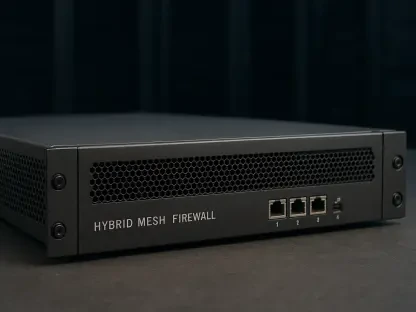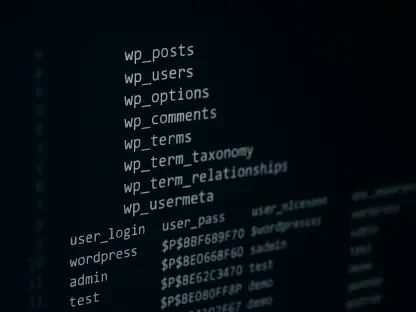

The sudden exposure of sensitive administrative credentials for over seventy-three thousand Fortinet devices has sent a massive shockwave through the global cybersecurity community, highlighting a critical vulnerability in the very foundations of modern enterprise defense. These devices, which include high-end firewalls and secure VPN gateways, serve as the primary gatekeepers for some of the world’s most influential corporations and government agencies. While the tech industry often obsesses over the discovery of sophisticated zero-day exploits, the FortiBleed incident reveals a more mundane yet devastating reality regarding the failure of basic digital hygiene. This massive leak is not merely a technical oversight but a stark illustration of how easily the “keys to the kingdom” can be compromised when administrative discipline slips. As organizations increasingly rely on remote access solutions to facilitate global operations, the security of these entry points becomes the determining factor in the overall resilience of the digital ecosystem. The scale of this breach serves as a warning that perimeter defenses are only as strong as the policies governing their access. This event underscores a shift in the threat landscape where attackers no longer need to find a way to break into a network if they can simply log in with legitimate credentials.
Anatomy Of The Breach: Exploiting Credential Vulnerabilities
Contrary to the initial fears of a deep-seated software flaw within Fortinet’s proprietary code, investigators have clarified that the FortiBleed campaign relied on the brute-force application of stolen data. Cybercriminals utilized automated credential-stuffing tools to systematically test millions of username and password combinations across publicly accessible management interfaces. This method reflects a strategic pivot in the underground economy, where attackers prioritize logging in with valid, hijacked credentials over the resource-heavy process of discovering and weaponizing complex software vulnerabilities. By leveraging databases of leaked information from previous, unrelated breaches, threat actors found that thousands of administrators had reused passwords or maintained default settings. This approach effectively bypasses traditional intrusion detection systems that look for code-based anomalies, as the malicious activity appears to the system as a legitimate administrative login attempt. Such tactics make detection significantly more difficult during the initial stages of an attack, allowing malicious actors to persist within a network without triggering alarms.
The geographical footprint of this incident is remarkably vast, spanning nearly two hundred countries and affecting a diverse array of industries from telecommunications to healthcare. Data analysis shows that the highest density of compromised devices resides in major tech hubs including the United States, India, Taiwan, and Mexico, where rapid digital expansion has sometimes outpaced security oversight. Security researchers utilized sophisticated scanning techniques to map these exposed interfaces, revealing that many organizations had inadvertently left their firewall management panels open to the public internet. This visibility provided bad actors with the necessary environment to capture cryptographic representations of passwords, known as hashes, which were then decrypted offline. The implications for critical infrastructure are particularly concerning, as the compromised gateways often sit at the nexus of essential services. The exposure of these systems highlights a systemic failure to implement “dark” management practices, where administrative interfaces are hidden from public view. Without these precautions, the risk of credential theft remains an ever-present danger for global enterprises.
Cascading Consequences: From Perimeter Breach To Network Control
When a firewall or VPN gateway is compromised at the administrative level, the traditional security perimeter effectively ceases to exist, granting the intruder a comprehensive “god-view” of the entire internal network. This level of access is catastrophic because these devices are designed to inspect and manage all traffic flowing between various internal segments and the outside world. Once inside, an attacker can monitor sensitive data transmissions in real-time, capturing unencrypted credentials for other internal services and mapping out the network topology. This visibility facilitates seamless lateral movement, allowing the threat actor to pivot from the initial entry point to more lucrative targets like Active Directory servers or database clusters. By gaining control over these core identity management systems, hackers can create new, legitimate-looking accounts with elevated privileges. This groundwork is often a precursor to long-term corporate espionage or the deployment of ransomware, as the attackers spend weeks or months quietly exfiltrating data before triggering a final, destructive payload.
Addressing the fallout from the FortiBleed incident requires a fundamental shift in how organizations approach the protection of their network infrastructure, moving away from reactive patching toward proactive structural security. The primary defense against such credential-based attacks is the mandatory implementation of Multi-Factor Authentication (MFA) for every administrative account without exception. MFA serves as a critical secondary barrier that renders stolen passwords useless on their own, significantly raising the cost and complexity for any potential attacker. Furthermore, security professionals are urging immediate action to reset all administrative passwords across the affected fleet and to terminate every active session currently running on these devices. This ensures that any persistent intruders are forcibly evicted from the environment. Beyond password management, organizations must adopt a policy of isolating management interfaces within dedicated, secure internal networks that are inaccessible from the open web, thereby shrinking the attack surface. These measures form the core of a resilient defense strategy against credential-based threats.
Global Context: Legislative Pressures And The AI Factor
The global nature of the FortiBleed event has unique ramifications for specific regions where the reliance on remote-access tools has surged alongside local economic development. In countries like South Africa, the incident has put intense pressure on institutional frameworks and forced a re-evaluation of national digital safety standards. Local businesses are now navigating a complex legal landscape defined by the Cybercrimes Act, which mandates stringent reporting requirements and comprehensive investigations following any significant data breach. The threat of heavy financial penalties and legal liability acts as a powerful motivator for companies to align their internal protocols with international best practices. However, many smaller firms still struggle with the technical debt of legacy systems that lack the modern security features required to withstand automated attacks. This regional disparity underscores the need for localized support and specialized security training to ensure that the global defense chain remains strong at every link, preventing weaker regions from becoming easy targets for international syndicates.
Ultimately, the FortiBleed incident demonstrated that even the most sophisticated security hardware was incapable of compensating for a lack of basic administrative discipline and routine maintenance. The failure was not rooted in the technology itself but in the human management of that technology, specifically the neglect of password rotation and the absence of rigorous access audits. Moving forward, the industry realized that cybersecurity success depended on a culture of consistent vigilance rather than just software procurement. Organizations that treated security as a continuous process rather than a one-time setup were the ones that survived the fallout with their data intact. This event served as a definitive reminder that protecting the digital front door required both advanced tools and the human will to use them correctly. By examining the aftermath, stakeholders learned that the most effective defenses were built on foundational habits rather than complex, automated fixes. Implementing zero-trust architectures and regularly auditing administrative logs became the new baseline for those seeking to avoid similar exposures.